January 2018 in “Belarusian State Pedagogical University repository (Belarusian State Pedagogical University)” Adipose-derived stem cells can be used to create cells that help grow new hair.
11 citations
,
February 2018 in “Oncotarget” Lower SMAD2/3 activation predicts more severe skin cancer.
 December 2025 in “Frontiers in Endocrinology”
 High chromogranin A levels are linked to obesity and inflammation in polycystic ovary syndrome.
3 citations
,
October 2024 in “International Journal of Molecular Sciences” Certain genes in fat tissue affect weight loss in women with PCOS.
2 citations
,
March 2003 in “Endocrine Practice” The woman's symptoms and tests suggest her adrenal glands are producing too many male hormones.
43 citations
,
January 1999 in “Endocrinology” Cortisol increases a specific protein in bone cells, which may help explain its negative effects on bone.
10 citations
,
August 2023 in “The EMBO Journal” Kdm6b is crucial for skin cell differentiation.
 October 2021 in “Journal of Investigative Dermatology”
 Skin changes in Pseudoxanthoma elasticum patients can indicate the severity of related health issues.
May 2026 in “International Journal of Dermatology” Higher levels of 3α-diol G are linked to more severe female pattern hair loss.
5 citations
,
April 2021 in “Journal of Academic Research in Medicine” FAI is a reliable marker for identifying and monitoring hyperandrogenism in obese adolescent females with PCOS.
 16 citations
,
April 2007 in “Journal of Obstetrics and Gynaecology Research”
16 citations
,
April 2007 in “Journal of Obstetrics and Gynaecology Research” Prostate-specific antigen may be a new marker for excess male hormones in women with polycystic ovary syndrome.
 13 citations
,
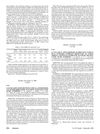
September 1986 in “Archives of Dermatology”
13 citations
,
September 1986 in “Archives of Dermatology” Women with more 3α,17β-androstanediol glucuronide compared to sex hormone binding globulin are more likely to have female pattern baldness.
July 2025 in “Journal of Investigative Dermatology” Acne involves increased lipid production and inflammation, affecting skin cell behavior and treatment resistance.
20 citations
,
January 2023 in “Frontiers in Immunology” Skin-associated adipocytes help protect the skin from infections by supporting its immune barrier.
 24 citations
,
December 1988 in “British Journal of Dermatology”
24 citations
,
December 1988 in “British Journal of Dermatology” Acne severity in women may not be linked to increased male hormone indicators like excess body hair, menstrual irregularities, or hair loss.
 September 2008 in “Fertility and Sterility”
 Free fatty acids may increase androgen production, potentially contributing to polycystic ovary syndrome.
8 citations
,
February 2002 in “Journal of Medical Genetics” Skin changes can indicate a risk for breast cancer.
July 2024 in “Journal of Investigative Dermatology” Inhibiting PDE8A may help treat hair loss by boosting fat cell growth and hair regeneration.
 May 2026 in “Research Square”
 Clinical hirsutism can help predict high androgen levels in women.
November 2001 in “Hair transplant forum international” Early hair loss might indicate insulin resistance.
 21 citations
,
July 2016 in “Gynecological Endocrinology”
21 citations
,
July 2016 in “Gynecological Endocrinology” Obese and non-obese women with PCOS have higher heart risk markers, especially if they are obese.
8 citations
,
March 2023 in “International Wound Journal” IGF2BP3 and other m6A-related genes are linked to keloid formation and could be potential treatment targets.
 6 citations
,
January 2019 in “The American Journal of Dermatopathology”
6 citations
,
January 2019 in “The American Journal of Dermatopathology” The conclusion is that fat tissue in the skin is a new finding in Frontal fibrosing alopecia and may contribute to hair follicle and muscle degeneration.
 February 2024 in “Clinical, Cosmetic and Investigational Dermatology”
 Certain fats in the blood are linked to an increased risk of male pattern baldness.

MITF and WNT3A are key in Dun Mongolian horse pigmentation.
15 citations
,
September 2023 in “International Journal of Microbiology Research” AMH is a promising biomarker for diagnosing PCOS.
 March 2012 in “Journal of Pediatric and Adolescent Gynecology”
 Androgen levels do not determine the type of PCOS symptoms in young females.
 155 citations
,
March 2006 in “The American Journal of Medicine”
155 citations
,
March 2006 in “The American Journal of Medicine” Women with PCOS have heart-related issues not because of obesity, but due to insulin resistance and low adiponectin levels.
 17 citations
,
September 2017 in “Journal of Cosmetic Dermatology”
17 citations
,
September 2017 in “Journal of Cosmetic Dermatology” Women with PCOS in North China often have hirsutism and acne, with hirsutism linked to metabolic issues.
December 2025 in “Bali Dermatology Venereology and Aesthetic Journal” Skin conditions can signal underlying metabolic issues and increased health risks.