 May 2026 in “Medical Sciences”
 Vesicle-based therapies from stem cells and plants improve burn healing and could be safe, scalable alternatives to cell transplants.
 1 citations
,
August 2023 in “International Journal of Molecular Sciences”
1 citations
,
August 2023 in “International Journal of Molecular Sciences” Platelet Rich Plasma-Derived Extracellular Vesicles show promise for healing and regeneration but need standardized methods for consistent results.
51 citations
,
January 2024 in “Burns & Trauma” Engineered extracellular vesicles can improve tissue repair and regeneration.
 6 citations
,
July 2022 in “World journal of stem cells”
6 citations
,
July 2022 in “World journal of stem cells” Using extracellular vesicles from stem cells can help hair grow by affecting scalp cells and hair follicles.
 November 2024 in “Burns & Trauma”
 Skin organoids help improve wound healing and tissue repair.
6 citations
,
September 2017 in “Experimental and Therapeutic Medicine” Shortened PEDF peptides speed up skin wound healing by boosting cell growth.
6 citations
,
October 2022 in “Frontiers in Cell and Developmental Biology” Transplanted hair follicle stem cells can heal damaged rat intestines.
2 citations
,
September 2025 in “International Journal of Nanomedicine” Extracellular vesicles can help treat skin issues like wounds, hair loss, aging, and inflammation.
 1 citations
,
June 2023 in “Cells”
1 citations
,
June 2023 in “Cells” Exosomes could be a promising way to help repair skin and treat skin disorders.
January 2022 in “Stem cell biology and regenerative medicine” Lymphatic vessels help hair follicles regenerate by interacting with stem cells.
 3 citations
,
February 2022 in “Frontiers in Genetics”
3 citations
,
February 2022 in “Frontiers in Genetics” The LncRNA AC010789.1 slows down hair loss by promoting hair follicle growth and interacting with miR-21 and the Wnt/β-catenin pathway.
 1 citations
,
November 2015
1 citations
,
November 2015 Dental pulp stem cells might not reliably become neurons.
 July 2024 in “Journal Of Stem Cell Research”
 Mesenchymal stem cells improve skin appearance and structure in dermatology and aesthetic medicine.
 66 citations
,
December 2013 in “Nature Cell Biology”
66 citations
,
December 2013 in “Nature Cell Biology” Inactive hair follicle stem cells help prevent skin cancer.
 August 2014 in “Warwick Research Archive Portal (University of Warwick)”
 Obesity negatively affects the endometrium, leading to higher miscarriage risk and impaired cell function.
52 citations
,
January 2023 in “Annual Review of Immunology” Immune-epithelial interactions are crucial for tissue repair, but unchecked can cause diseases.
 88 citations
,
January 2019 in “Journal of Tissue Engineering and Regenerative Medicine”
88 citations
,
January 2019 in “Journal of Tissue Engineering and Regenerative Medicine” Conditioned media from mesenchymal stem cell cultures could be a more effective alternative for regenerative therapies, but more research is needed.
November 2025 in “JPRAS Open” Exosome therapy could help with hair loss, but more research and regulation are needed.
 4 citations
,
January 2022 in “BioMed Research International”
4 citations
,
January 2022 in “BioMed Research International” Using mesenchymal stem cells or their exosomes is safe for COVID-19 patients and helps improve lung healing and oxygen levels.
February 2025 in “Biochemistry” Stem cell therapy shows promise for treating skin disorders.
 July 2024 in “Clinical Cosmetic and Investigational Dermatology”
 Exosomes can help promote hair growth and may treat hair loss.
269 citations
,
October 2017 in “International Journal of Molecular Sciences” Improving mesenchymal stromal cell therapies requires overcoming cell death and optimizing delivery methods.
January 2025 in “Health engineering.” Combining stem cells and organoids could improve skin regeneration treatments.
 December 2024 in “Research Square (Research Square)”
 Placental stem cell exosome therapy improves hair growth and reduces hair loss.
 12 citations
,
September 2021 in “The International Journal of Developmental Biology”
12 citations
,
September 2021 in “The International Journal of Developmental Biology” Liposomal carriers can improve tissue regeneration by stabilizing and retaining growth factors.

Enhanced stem cells from the placenta can reduce fat cell formation in eye disease.
 192 citations
,
April 2019 in “ACS nano”
192 citations
,
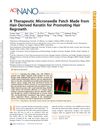
April 2019 in “ACS nano” A new microneedle patch made from hair proteins helps regrow hair faster and better than current treatments.
 41 citations
,
January 2020 in “BioMed Research International”
41 citations
,
January 2020 in “BioMed Research International” Micrografts improve hair density and thickness without side effects.
 April 2023 in “Egyptian journal of Immunology”
 10% hPL is best for growing mesenchymal stem cells, while 10% FBS is best for hepatocytes.
 2 citations
,
March 2021 in “Journal of Cosmetic Dermatology”
2 citations
,
March 2021 in “Journal of Cosmetic Dermatology” Umbilical cord-derived media is safe and effective for hair growth.