 51 citations
,
December 2003 in “The FASEB Journal”
51 citations
,
December 2003 in “The FASEB Journal” The substance AS101 can help hair grow by slowing down hair cell aging and boosting a hair growth protein.
Nanostructured lipid carriers can improve androgenic alopecia treatment by reducing dutasteride dosage and maintaining its presence in hair follicles longer.
 2 citations
,
December 2020 in “American Journal of Dermatological Research and Reviews”
2 citations
,
December 2020 in “American Journal of Dermatological Research and Reviews” The combination therapy was effective and well-tolerated, especially in young patients.
 September 2025 in “JMIR Dermatology”
 Direct-to-consumer teledermatology effectively treats male hair loss but may increase drug costs and requires monitoring for side effects.
 6 citations
,
April 2004 in “Journal of Enzyme Inhibition and Medicinal Chemistry”
6 citations
,
April 2004 in “Journal of Enzyme Inhibition and Medicinal Chemistry” New progesterone-based compounds can block male hormones.
January 2016 in “프로그램북(구 초록집)” Hormones and neuropeptides affect hair growth, with androgens having opposite effects on beard and scalp hair.
August 2025 in “Journal of Polymer Science” AcD scaffolds improve tissue repair and regeneration by combining stem cells with a supportive matrix.
Thai plant extracts, especially Avicennia marina, can promote hair growth by inhibiting certain enzymes and boosting growth factors.
Caffeine can potentially treat common hair loss by counteracting hair follicle shrinkage caused by hormones.
 4 citations
,
August 2020 in “Facial plastic surgery & aesthetic medicine”
4 citations
,
August 2020 in “Facial plastic surgery & aesthetic medicine” Combining growth factors with minoxidil improves hair growth more than minoxidil alone.
1 citations
,
April 2025 in “Skin Health and Disease” Combining delgocitinib ointment with excimer laser can effectively treat severe alopecia areata.
 September 2025 in “Journal of Medicinal Chemistry”
 AR-27 E-Chol siRNA can effectively regrow hair by reducing androgen receptor gene activity.
February 2026 in “Advanced Science” TTNPB helps turn stem cells into neural stem cells, improving depression-like behaviors in rats.
 1 citations
,
April 2018 in “The journal of investigative dermatology/Journal of investigative dermatology”
1 citations
,
April 2018 in “The journal of investigative dermatology/Journal of investigative dermatology” Topical patidegib gel effectively treats basal cell carcinoma in Gorlin syndrome patients without causing the side effects seen with oral treatments.
1 citations
,
September 2021 in “Journal of Cosmetic Dermatology” Certain gene variations may increase the risk of hair loss in Egyptians.
 3 citations
,
January 1992 in “Gynecological Endocrinology”
3 citations
,
January 1992 in “Gynecological Endocrinology” 3α, 17β-androstanediol-glucuronide is not a useful marker for androgen excess but may help monitor certain treatments.
August 2024 in “Journal of Drug Delivery Science and Technology” The new minoxidil formulation could better promote hair growth for treating androgenic alopecia.
April 2023 in “Russian Journal of Clinical Dermatology and Venereology” Proteoglycan replacement therapy improved hair conditions in most patients with alopecia.
5 citations
,
August 2021 in “Frontiers in Cell and Developmental Biology” DHEA boosts bone cell growth and differentiation in elderly stem cells.
Alternative treatments with nutrients, minerals, and vitamins are being explored for safer hair loss management.
 8 citations
,
January 2013 in “Journal of The Korean Medical Association”
8 citations
,
January 2013 in “Journal of The Korean Medical Association” Korean hair is typically thicker with a slower growth rate, and treatments like Dutasteride are effective for male pattern hair loss without major side effects.
 August 2025 in “BMJ Open”
 Combining scalp acupoint catgut embedding with 5% minoxidil may help treat male pattern baldness.
 January 2018 in “Sohag Medical Journal”
 Combining topical dutasteride with microneedling is more effective for hair growth than microneedling alone.
 October 2023 in “Dermatology practical & conceptual”
 Finger length ratios might help predict common hair loss.
2 citations
,
May 2017 in “Journal of the American Academy of Dermatology” Tofacitinib helped a 19-year-old regrow hair after other treatments failed.
April 2023 in “Dohuk medical journal” Trichoscopy effectively differentiates Androgenetic Alopecia from Telogen Effluvium.
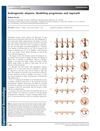 4 citations
,
April 2016 in “Experimental Dermatology”
4 citations
,
April 2016 in “Experimental Dermatology” AGA causes hair loss through follicle miniaturization and hair cycle changes; regrowth depends on anagen initiation in kenogen follicles.
 September 2017 in “Journal of Investigative Dermatology”
 Injections of special skin cells showed potential in treating hair loss, with some participants experiencing increased hair density.
 March 2023 in “Oxford University Press eBooks”
 The document's conclusion cannot be determined from the provided text.
 47 citations
,
April 2016 in “Lasers in Surgery and Medicine”
47 citations
,
April 2016 in “Lasers in Surgery and Medicine” Low-level laser therapy may improve hair regrowth and thickness for androgenetic alopecia, but more research is needed.