October 2022 in “Dermatologic Therapy” Both treatments for resistant alopecia areata were equally effective.
1 citations
,
November 1988 in “Veterinary Record” Folic acid helped a calf regrow hair lost due to deficiency.
July 2022 in “Journal of Cosmetic Dermatology” Isotretinoin with tacrolimus may be more effective short-term for treating frontal fibrosing alopecia than finasteride with tacrolimus.

Anifrolumab treatment improves quality of life and reduces disease activity and steroid use in SLE patients.
19 citations
,
April 2014 in “Veterinary Dermatology” Demodicosis should be considered in cats with facial skin issues exposed to inhalant glucocorticoids.
 1 citations
,
July 2019 in “Clinical Rheumatology”
1 citations
,
July 2019 in “Clinical Rheumatology” Leflunomide is more likely to help treat alopecia areata than cause it.

Plant roots respond to fungus smells by possibly using certain proteins and a plant hormone to change root growth, but more research is needed.
January 2026 in “Pattern Recognition” The new method improves accuracy in segmenting scalp tissue layers.
 7 citations
,
December 2021 in “European Respiratory Review”
7 citations
,
December 2021 in “European Respiratory Review” The document concludes that diagnosing and treating Interstitial Pneumonia with Autoimmune Features (IPAF) is challenging, needs a multidisciplinary approach, and further research for better diagnostic criteria and treatments. It also emphasizes regular checks for Connective Tissue Disease symptoms in all patients with Interstitial Lung Disease.
 February 2022 in “Journal of Cosmetic Dermatology”
 Using both minoxidil and flutamide together is more effective for treating hair loss than using minoxidil alone.
2 citations
,
February 2021 in “PubMed” Koilonychia in alopecia areata can improve with oral corticosteroids.
 22 citations
,
March 1963 in “Archives of dermatology”
22 citations
,
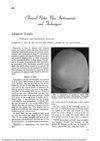
March 1963 in “Archives of dermatology” A woman regrew her hair significantly using a corticosteroid cream with a plastic cover.
6 citations
,
January 2019 in “Journal of lasers in medical sciences” Using a fractional CO2 laser helps Minoxidil work better for hair regrowth.
 September 2023 in “Journal of the American Academy of Dermatology”
 Topical tofacitinib helped a man with severe scalp condition after other treatments failed.
1 citations
,
January 2021 in “Open Access Journal of Cancer & Oncology” Energy healing treatment improved flutamide's solubility and stability, potentially enhancing its effectiveness for prostate cancer.
 August 2015 in “Dermatología Argentina”
 Frontal fibrosing alopecia causes hairline recession and eyebrow loss in postmenopausal women.
 6 citations
,
November 2018 in “Antimicrobial agents and chemotherapy (Print)”
6 citations
,
November 2018 in “Antimicrobial agents and chemotherapy (Print)” Fluconazole can cause hair loss, but the exact cause is unknown.
April 2024 in “Al-Azhar International Medical Journal /Al-Azhar International Medical Journal” Combining fractional CO2 laser or microneedling with 5-FU is more effective and safer for treating vitiligo.
 44 citations
,
November 2016 in “Journal of The American Academy of Dermatology”
44 citations
,
November 2016 in “Journal of The American Academy of Dermatology” The updated SALT II tool offers a more precise way to measure scalp hair loss.
 April 2024 in “Bioscience trends”
 Higher levels of certain DNAs in blood may indicate hair follicle damage in alopecia areata patients.
 36 citations
,
December 2017 in “Journal of the American Academy of Dermatology”
36 citations
,
December 2017 in “Journal of the American Academy of Dermatology” Most patients with frontal fibrosing alopecia stabilized with treatment, especially younger ones, using intralesional corticosteroids and tacrolimus.
3 citations
,
August 2019 in “JAAD Case Reports” Temporary hair loss can occur after 5-fluorouracil treatment for keloids.
 July 2026 in “bioRxiv (Cold Spring Harbor Laboratory)”
 ACA2 is crucial for root hair growth by controlling calcium levels in cells.
January 2025 in “Indian Journal of Dermatology” High fever from COVID-19 might trigger hair loss.
22 citations
,
June 2010 in “Experimental Dermatology” Lower MC2R expression may contribute to alopecia areata.
17 citations
,
July 2022 in “BMC Genomics” The FA2H gene improves cashmere fineness by enhancing hair growth in goats.
March 2023 in “Reactions Weekly”  March 2025 in “Dermatologic Surgery”
 Fractional radiofrequency microneedling is as effective and safe as intralesional steroids for treating patchy alopecia areata, with fewer side effects.
 May 2024 in “Journal of cosmetic dermatology”
 Tofacitinib is an effective and safe treatment for alopecia areata.
 2 citations
,
September 2021 in “Curēus”
2 citations
,
September 2021 in “Curēus” Tofacitinib may be safe for COVID-19 patients with alopecia without worsening symptoms, based on two cases.