 July 2024 in “Journal of Cosmetic Dermatology”
 Fractional laser therapy is a promising, effective, and minimally invasive treatment for hair loss.
 15 citations
,
November 2020 in “Pharmaceutics”
15 citations
,
November 2020 in “Pharmaceutics” Tofacitinib nanoparticles can safely and effectively treat alopecia areata by targeting hair follicles.
 August 2024 in “Frontiers in Pharmacology”
 Antibody treatments show promise for hair loss but need more research.
 2 citations
,
February 2009 in “Journal of the American Academy of Dermatology”
2 citations
,
February 2009 in “Journal of the American Academy of Dermatology” Injecting triamcinolone into the eyebrow area may help eyelash regrowth in alopecia areata patients.
 July 2026 in “Journal of Nanobiotechnology”
 The hydrogel helps treat hair loss by reducing harmful molecules and improving blood flow to hair follicles.
 3 citations
,
April 2017 in “Dermatologic Surgery”
3 citations
,
April 2017 in “Dermatologic Surgery” Laser hair removal can be an effective last-resort treatment for men with stubborn Alopecia Areata who want to be uniformly bald.
87 citations
,
March 2013 in “Expert Review of Anticancer Therapy” Afatinib often causes skin problems that need proactive management.
July 2026 in “Journal of the American Academy of Dermatology” Ritlecitinib helps adolescents with severe alopecia areata regrow scalp hair and normalize body hair and nails.
1 citations
,
October 2025 in “Journal of Investigative Dermatology” Delgocitinib cream may help treat frontal fibrosing alopecia.
Poly-L-lactic acid injections can cause hair loss and skin issues.
 April 2016 in “Journal of The American Academy of Dermatology”
 People with hair loss have low zinc levels; zinc supplements and laser therapy may help.
 11 citations
,
January 2020 in “Dermatologica Sinica”
11 citations
,
January 2020 in “Dermatologica Sinica” Tofacitinib helps regrow hair in severe alopecia patients, but more research is needed.
September 2025 in “Clinical and Experimental Rheumatology” July 2025 in “Journal of Investigative Dermatology” AI-09 is safe, effective, and reduces wrinkles for up to 6 months.
April 2023 in “Journal of Dermatological Treatment” Tofacitinib helped regrow hair in a teen with a unique pattern of alopecia areata.
 September 2014 in “Chinese Journal of Dermatology”
 Hair diameter difference, brown skin discoloration around hair follicles, and missing hair in certain areas are key signs of androgenetic alopecia (commonly known as hair loss) when viewed under a dermoscope.
 25 citations
,
March 2013 in “British Journal of Dermatology”
25 citations
,
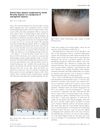
March 2013 in “British Journal of Dermatology” Woman has discoid lupus, frontal fibrosing, and androgenetic alopecia.
2 citations
,
January 2023 in “Biomedicines” The treatment combining laser and fetal fibroblasts effectively reduces scarring.
 April 2025 in “Frontiers in Immunology”
 Tofacitinib effectively regrows hair in alopecia areata but may need continuous use.
November 2024 in “Dermatology and Therapy” Dermatologists should carefully choose treatments for FFA to avoid worsening the condition.
 January 2024 in “Journal of Cosmetic Dermatology”
 The 1565 nm non-ablative fractional laser is more effective and satisfying than 5% minoxidil for treating hair loss.
1 citations
,
August 2021 in “Journal of Investigative Dermatology” ASLAN004 was safe and well-tolerated, supporting further development for treating certain diseases.
1 citations
,
November 2025 in “International Journal of Dermatology” The AAcQLI is a promising tool for assessing quality of life in children with alopecia areata.
 1 citations
,
May 2017 in “Journal of the American Academy of Dermatology”
1 citations
,
May 2017 in “Journal of the American Academy of Dermatology” Oral tofacitinib may be an effective and tolerable treatment for some people with severe alopecia areata.
 44 citations
,
January 2006 in “Biological & Pharmaceutical Bulletin”
44 citations
,
January 2006 in “Biological & Pharmaceutical Bulletin” Androgen hormones cause hair follicle scarring in hair loss, and finasteride helps reduce it.
40 citations
,
September 2014 in “Journal of cosmetic and laser therapy” Transepidermal drug delivery effectively treated areata alopecia with minimal side effects.
1 citations
,
November 2018 in “immuneACCESS” Expanded CD8+ T cells are linked to Alopecia Areata and may cause relapse after treatment.
 15 citations
,
February 2014 in “BMC Research Notes”
15 citations
,
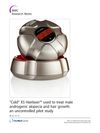
February 2014 in “BMC Research Notes” The X5 Hairlaser might help treat male hair loss, but more research is needed.
15 citations
,
December 2019 in “European Journal of Dermatology” Low-dose tofacitinib is effective and cheaper for severe alopecia areata.