 4 citations
,
January 2011 in “Annals of Dermatology”
4 citations
,
January 2011 in “Annals of Dermatology” Researchers found a new mutation in the HR gene linked to a rare hair loss condition.
 April 2020 in “Journal of the Endocrine Society”
 Male pattern baldness may indicate arterial stiffness in transgender men on long-term testosterone therapy.
August 2025 in “Bioactive Materials” Ac-GFFY-IGF peptide is a promising, safe, and effective treatment for hair loss, better than current options.
1 citations
,
February 2023 in “Journal of Athletic Training” Athletic trainers should understand and support the medical needs of transgender and gender-diverse patients.
 January 2022 in “Klinicheskaya dermatologiya i venerologiya”
 Trichoscopy can diagnose hair loss by looking for common signs like uneven hair thickness, "yellow dots," and more thin hairs, which are found in both men and women.
10 citations
,
June 2022 in “Biomedicine & Pharmacotherapy” ARTS helps stop tumors by promoting cell death.
 September 2024 in “Indian Journal of Dermatology”
 Trichoscopy effectively diagnoses and assesses the severity of androgenetic alopecia.
February 2025 in “International Journal of Biological Macromolecules” The hydrogel effectively treats hair loss using light to release nitric oxide.
9 citations
,
May 2024 in “Journal of Clinical & Translational Endocrinology” Gender affirming hormone therapy improves outcomes in gender affirmation surgery.
 April 2018 in “Journal of Investigative Dermatology”
 High amphiregulin in the skin is a bad sign for acute graft-versus-host disease.
 August 2014 in “Journal of clinical & experimental dermatology research”
 Platelet-released growth factors can treat hair loss by activating hair follicle stem cells, blocking certain pathways, and controlling inflammation and fibrosis.
April 2023 in “Dohuk medical journal” Trichoscopy effectively differentiates Androgenetic Alopecia from Telogen Effluvium.
 7 citations
,
May 2007 in “PubMed”
7 citations
,
May 2007 in “PubMed” Women with androgenetic alopecia (AGA) are more insulin resistant than healthy women, with various insulin sensitivity indices being higher in the AGA group. An oral glucose tolerance test is suggested for women with AGA.
 January 2007 in “Revista del Centro Dermatológico Pascua”
 Hair loss in women, often not related to male hormones, increases with age and can cause significant emotional distress.
November 2025 in “International Journal of Innovative Research and Scientific Studies” Regenera Activa AMT effectively improves hair growth and reduces hair loss in androgenetic alopecia.
 50 citations
,
July 2000 in “Dermatologic Surgery”
50 citations
,
July 2000 in “Dermatologic Surgery” Female and male AGA are different diseases.
 12 citations
,
January 2005 in “Journal of Cosmetic Dermatology”
12 citations
,
January 2005 in “Journal of Cosmetic Dermatology” AGA affects many, progresses differently, and early treatment is crucial.
 43 citations
,
November 2019 in “American Journal of Clinical Dermatology”
43 citations
,
November 2019 in “American Journal of Clinical Dermatology” FAGA diagnosis uses blood tests and trichoscopy, with treatments like topical minoxidil, oral anti-androgens, and hormone-modulating drugs.
 September 2025 in “Medicine”
 Men with androgenetic alopecia may have a higher risk of heart rhythm problems.
1 citations
,
September 2024 in “Benha Journal of Applied Sciences” Androgenetic alopecia causes hair loss, and early, ongoing treatment is key for best results.
More men have androgenic alopecia than women, with stress linked to the condition in both genders.
 March 2011 in “European Urology Supplements”
 Blood tests for tumor cells could improve prostate cancer diagnosis and treatment; hair loss severity linked to a gene affecting prostate conditions.
 8 citations
,
November 2019 in “Dermatologic Clinics”
8 citations
,
November 2019 in “Dermatologic Clinics” AGA treatments like minoxidil and LLLLT are safe and effective for gender minority patients.
 2 citations
,
January 2025 in “Pharmaceutical Research”
2 citations
,
January 2025 in “Pharmaceutical Research” Angelica gigas Nakai root extracts may help with cancer, pain, memory loss, and metabolic issues.
Botulinum toxin A may help regrow hair in pattern baldness.
69 citations
,
December 2015 in “BMC plant biology” Three genes in Arabidopsis are important for plant growth and development by affecting sugar attachment to proteins.
4 citations
,
July 2025 in “International Journal of Molecular Sciences” Targeting amphiregulin may improve treatment for fibrosis and cancer.
 13 citations
,
January 2011 in “International Journal of Trichology”
13 citations
,
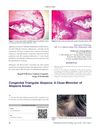
January 2011 in “International Journal of Trichology” CTA is often mistaken for AA but doesn't respond to steroids and may require hair transplantation.
 45 citations
,
January 2012 in “International Journal of Trichology”
45 citations
,
January 2012 in “International Journal of Trichology” Trichoscopy is better than trichogram for diagnosing female hair loss.
September 2023 in “Journal of the American Academy of Dermatology” Dermatologists should consider alpha-gal syndrome in patients with unexplained chronic skin issues.