April 2019 in “The journal of investigative dermatology/Journal of investigative dermatology” Blocking JAK1 or JAK3 helps reverse hair loss in a mouse model of alopecia areata.
January 2025 in “Dermatologic Therapy” Baricitinib works better for alopecia areata in patients not previously treated with tofacitinib.
 January 2025 in “Frontiers in Pediatrics”
 Baricitinib significantly improved hair regrowth and skin condition in a 14-year-old with alopecia areata and atopic dermatitis.
7 citations
,
March 2023 in “Lasers in Surgery and Medicine” Ablative fractional laser treatment nearly matches the gene reduction effects of topical vismodegib in skin cancer.
2 citations
,
March 2026 in “Journal of Dermatological Treatment” JAK inhibitors for alopecia areata have different safety risks, requiring specific monitoring for each drug.
 January 2025 in “Repository of the Academy's Library (Library of the Hungarian Academy of Sciences)”
 Baricitinib is effective and safe for treating severe alopecia areata.
 1 citations
,
September 2023 in “Journal of the American Academy of Dermatology”
1 citations
,
September 2023 in “Journal of the American Academy of Dermatology” Baricitinib helps regrow hair and improves quality of life and mental health in severe alopecia areata patients.
 December 2025 in “International Journal of Innovative Technologies in Social Science”
 Oral JAK inhibitors effectively treat alopecia areata and are generally well-tolerated.
 November 2024 in “Journal of Cosmetic Dermatology”
 Baricitinib is effective for severe alopecia areata but has some side effects.
September 2023 in “Journal of the American Academy of Dermatology” CTP-543 significantly improved eyebrow and eyelash regrowth and patient satisfaction in adults with alopecia areata.
 69 citations
,
February 2021 in “PLoS Computational Biology”
69 citations
,
February 2021 in “PLoS Computational Biology” Securinine and ajmaline may effectively treat liver cancer, with securinine being less toxic to normal cells.
44 citations
,
May 2023 in “MedComm” PROTAC technology shows promise for cancer treatment but needs more effective E3 ligase recruiters.
 66 citations
,
June 2021 in “Journal of The American Academy of Dermatology”
66 citations
,
June 2021 in “Journal of The American Academy of Dermatology” Baricitinib is effective and safe for treating severe alopecia areata.
 February 2026 in “Dove Medical Press (Taylor and Francis Group)”
 Upadacitinib can effectively regrow hair in alopecia areata patients without worsening sarcoidosis.
 4 citations
,
September 2022 in “Dermatologic Therapy”
4 citations
,
September 2022 in “Dermatologic Therapy” Baricitinib helped some patients with tough-to-treat hair loss regrow hair, but more research is needed on its safety.
July 2026 in “Journal of Enzyme Inhibition and Medicinal Chemistry” Improved CRBN ligands make protein degraders more effective and drug-like.
November 2023 in “Journal of Investigative Dermatology” JAK inhibitors are effective and generally safe for treating alopecia areata, but monitoring for side effects is important.
 66 citations
,
December 2018 in “Dermatology”
66 citations
,
December 2018 in “Dermatology” Both ruxolitinib and tofacitinib are effective and safe for treating severe alopecia areata, but relapses are common.
 1 citations
,
May 2025 in “The Journal of Rheumatology”
1 citations
,
May 2025 in “The Journal of Rheumatology” Upadacitinib may help treat difficult cases of systemic lupus erythematosus.
58 citations
,
March 2019 in “Frontiers in Pharmacology” Wedelolactone may help treat lung fibrosis by reducing inflammation and lung damage.
 16 citations
,
March 2013 in “JAMA Dermatology”
16 citations
,
March 2013 in “JAMA Dermatology” A cancer drug called nilotinib might cause hair loss due to inflammation around hair follicles.
33 citations
,
May 2017 in “Journal of Clinical Oncology” ETC-159 was safe up to 30 mg, but no tumor shrinkage was seen.
1 citations
,
April 2004 in “Cancer” Imatinib mesylate can cause skin lightening, especially in Chinese patients, due to its effect on pigment production.
 January 2026 in “Dermatology Reports”
 Upadacitinib improved symptoms and hair regrowth in a teen with multiple autoimmune conditions.
 9 citations
,
May 2013 in “JAMA Dermatology”
9 citations
,
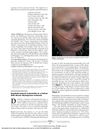
May 2013 in “JAMA Dermatology” A woman's hair turned white after taking a cancer drug called dasatinib.
 9 citations
,
January 2023 in “Dermatology and therapy”
9 citations
,
January 2023 in “Dermatology and therapy” A 14-year-old girl with severe hair loss regrew her hair using upadacitinib.
August 2021 in “Journal of the American Academy of Dermatology” Oral baricitinib is effective and safe for treating alopecia areata.
 January 2023 in “Applied sciences”
 Gefitinib and Sasam-Kyeongokgo together significantly reduce cancer growth and improve immune response in mice.
2 citations
,
October 2022 in “Dermatologic Therapy” Baricitinib may effectively treat lichen planopilaris.
 January 2025 in “Dermatologic Therapy”
 Baricitinib effectively promotes hair regrowth in alopecia areata patients with mild side effects.