 222 citations
,
September 2016 in “JCI insight”
222 citations
,
September 2016 in “JCI insight” Tofacitinib is safe and effective for severe alopecia areata, but hair loss may return 2 months after stopping treatment.
1 citations
,
April 2010 in “Cancer Research” WYE-130600 may cause skin thickening and irritation.
52 citations
,
September 2014 in “Nature medicine” JAK inhibitors might help treat alopecia areata.
 4 citations
,
January 2022 in “Dermatologic Therapy”
4 citations
,
January 2022 in “Dermatologic Therapy” Tofacitinib was found to be a safe and effective treatment for hair regrowth in patients with alopecia areata.
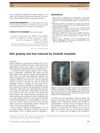 7 citations
,
December 2013 in “The Journal of Dermatology”
7 citations
,
December 2013 in “The Journal of Dermatology” A woman's hair turned gray and fell out after starting a cancer drug called imatinib mesylate.
January 2023 in “Cutaneous and Ocular Toxicology”  2 citations
,
December 2023 in “Journal of clinical immunology”
2 citations
,
December 2023 in “Journal of clinical immunology” Ruxolitinib significantly improves multiple autoimmune conditions in APS-1 patients.
 November 2023 in “JEADV Clinical Practice”
 Patients with severe alopecia areata felt better and less anxious or depressed when treated with baricitinib compared to placebo.
2 citations
,
February 2024 in “Indian Dermatology Online Journal” Tofacitinib effectively improved hair regrowth and skin condition in a woman with alopecia totalis and lichen planus hypertrophicus.
 November 2025 in “Mendeley Data”
 Unorthodox dosing of tofacitinib and baricitinib is safe but less effective than standard dosing for treating alopecia areata in kids.
5 citations
,
May 2025 in “Journal of the American Academy of Dermatology” 15 citations
,
April 2011 in “The journal of investigative dermatology/Journal of investigative dermatology” A3B5 can reduce skin pigmentation and slow melanoma growth.
Oral tofacitinib effectively treats alopecia areata long-term with manageable side effects.
September 2025 in “DiRROS repository (University of Maribor)” JAK inhibitors can effectively regrow hair in alopecia areata.
July 2024 in “Journal of Investigative Dermatology” DS-2325a is safe and well-tolerated, supporting further development for Netherton Syndrome treatment.
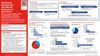 November 2024 in “SKIN The Journal of Cutaneous Medicine”
 Baricitinib is widely used for several conditions, especially COVID-19, but its safety and effectiveness are still being evaluated.
 11 citations
,
January 2000 in “The Journal of Steroid Biochemistry and Molecular Biology”
11 citations
,
January 2000 in “The Journal of Steroid Biochemistry and Molecular Biology” LY320236 is a strong blocker of two enzymes that change testosterone into dihydrotestosterone and might help treat conditions related to male hormones.
 July 2026 in “Zenodo (CERN European Organization for Nuclear Research)”
 Biochanin A from soy is a promising and safe candidate for treating hair loss.
45 citations
,
October 2018 in “JCI Insight” Entospletinib effectively prevents eye and skin GVHD in mice.
 24 citations
,
October 2018 in “JAAD Case Reports”
24 citations
,
October 2018 in “JAAD Case Reports” A woman's eyelash regrowth was successful using tofacitinib solution for alopecia areata.
7 citations
,
January 2023 in “Anti-Cancer Drugs” Early diagnosis and treatment of EGFR inhibitor-induced folliculitis decalvans can prevent permanent hair loss.
1 citations
,
October 2025 in “Journal of Allergy and Clinical Immunology” A JAK1 variant causes hair loss, skin issues, and thyroid disease, but treatment with a specific inhibitor can help.
 2 citations
,
April 2024 in “Dermatology Practical & Conceptual”
2 citations
,
April 2024 in “Dermatology Practical & Conceptual” Tofacitinib and baricitinib are effective and safe for treating severe alopecia areata, especially in younger people.

Deuruxolitinib helped regrow eyebrows and eyelashes in a man with resistant alopecia universalis.
54 citations
,
September 2012 in “Acta ophthalmologica” Cancer treatments can cause various eye problems, so eye doctors should know how to diagnose and treat these early.
 January 2026 in “Stem Cell Research & Therapy”
 ASLNC168501 can help treat hair loss by restoring hair follicle stem cell function.
January 2021 in “Research Portal Denmark” Tofacitinib helped a man with alopecia totalis regrow all his hair.
 May 2023 in “International Journal of Trichology”
 Tofacitinib may be an effective and safe treatment for hair loss in teenagers with alopecia areata.
April 2025 in “Frontiers in Pharmacology” Canagliflozin helps overcome progestin resistance in certain endometrial cancer cells.
 July 2024 in “Russian Journal of Child Neurology”
 Selumetinib effectively reduces tumor size in many children with neurofibromatosis type 1, but can cause skin and hair issues.