 67 citations
,
January 2007 in “Environmental health perspectives”
67 citations
,
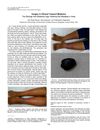
January 2007 in “Environmental health perspectives” A woman's health issues were caused by arsenic poisoning from kelp supplements.
1 citations
,
December 2022 in “Bioactive Materials” The microneedle patch with quercetin, zinc, and copper effectively promotes hair regrowth for androgenic alopecia.
4 citations
,
February 2021 in “Zenodo (CERN European Organization for Nuclear Research)” The plants are safe from heavy metal toxicity.
Curcuma aeruginosa Roxb. may help treat hair loss by affecting specific biological pathways.
 January 2026 in “E3S Web of Conferences”
 Silver nanoparticles from Mitracarpus scaber protect the liver and reduce prostate enlargement.
Human placental extract effectively and safely improves melasma, ulcers, and alopecia areata.
 January 2024 in “Indian Journal of Animal Research”
 Nerium oleander leaf extract effectively kills scabies mites in rabbits.
 November 2021 in “American Journal of Tropical Medicine and Hygiene”
 Marking nuts can cause skin irritation and allergies.
April 2014 in “The FASEB journal” The extract helps prevent hair loss and promotes hair growth in stressed mice.
 July 2019 in “International journal of Unani and integrative medicine”
 Aftimoon (Cuscuta reflexa) has various health benefits, including anti-inflammatory and anticonvulsant effects.
 1 citations
,
September 2024 in “Frontiers in Pharmacology”
1 citations
,
September 2024 in “Frontiers in Pharmacology” Aumolertinib effectively controls lung cancer and improves quality of life.
 10 citations
,
October 2018 in “Plant Biotechnology”
10 citations
,
October 2018 in “Plant Biotechnology” Researchers found two enzymes in Avicennia marina that help produce maslinic acid and corosolic acid, which have medicinal benefits.
4 citations
,
October 2001 in “Mycoses” A young cat had a rare fungal infection caused by Microsporum gypseum.
 6 citations
,
January 2007 in “Journal of the European Academy of Dermatology and Venereology”
6 citations
,
January 2007 in “Journal of the European Academy of Dermatology and Venereology” Mercury allergy linked to specific genes may contribute to burning mouth syndrome, and silicon might play a role in maintaining healthy hair.
 June 2021 in “International Ayurvedic Medical Journal”
 Ayurvedic treatments like leech therapy and turmeric-neem paste can effectively treat alopecia areata without harmful side effects.
 November 2024 in “Research for Rural Development/Research for Rural Development (Online)”
 Rosemary essential oil is rich in terpenes and can be effectively extracted and analyzed using environmentally friendly methods, benefiting local economies.
March 2025 in “International Journal of Trichology” Gloriosa superba poisoning can cause sudden hair loss, but hair usually regrows fully.
 4 citations
,
January 2000
4 citations
,
January 2000 Piedraia hortae fungi dissolve both the outer and inner layers of hair.
 14 citations
,
July 2012 in “Journal of the American Academy of Dermatology”
14 citations
,
July 2012 in “Journal of the American Academy of Dermatology” Topical tacalcitol ointment can help improve symptoms of EFFC.
 7 citations
,
December 2021 in “Annals of Phytomedicine An International Journal”
7 citations
,
December 2021 in “Annals of Phytomedicine An International Journal” Silver nanoparticles from Laurus nobilis leaves may be a new, safer antiarthritic treatment.
 January 2025 in “International Journal of Pharmaceutical Research and Development”
 Vitex negundo oil promotes hair growth and may treat alopecia safely.
 March 2026 in “Zenodo (CERN European Organization for Nuclear Research)”
 Euphorbia hirta oil may promote hair growth naturally.
 1 citations
,
October 2017
1 citations
,
October 2017 Suruhan extract made rabbit hair grow longer but didn't increase hair thickness.
 December 2023 in “Polish Journal of Chemical Technology”
 Ajuga reptans extracts can improve skin hydration, elasticity, and reduce wrinkles.
 April 2011 in “The FASEB Journal”
 Aralia continentalis root extract may help with hair growth.
 January 2026 in “Magazine Portal Bibliotech Digital (Universidad Nacional de Colombia)”
 Rosemary extracts promote more hair growth than 5% minoxidil.
 19 citations
,
September 1995 in “Food and nutrition bulletin”
19 citations
,
September 1995 in “Food and nutrition bulletin” Leucaena leucocephala is nutritious but needs careful processing to remove toxins.
July 2025 in “The Egyptian Journal of Hospital Medicine” Both treatments improved alopecia areata, but methotrexate caused more skin darkening, while triamcinolone caused skin lightening and thinning.
 1 citations
,
March 2019 in “International Journal of Current Pharmaceutical Research”
1 citations
,
March 2019 in “International Journal of Current Pharmaceutical Research” The essential oils from Hedyotis corymbosa, Inula racemose, and Holostemma adakodien have significant antibacterial and antifungal properties.
Four bacteria from the lab were found to be resistant to selenium.