Search
for
Sort by
Research
930-960 / 1000+ resultsresearch Finasteride
research Finasteride
research Finasteride
research Intralesional vitamin D3 versus intralesional triamcinolone acetonoid in patchy alopecia areata: a comparative clinical and dermoscopic study
Intralesional vitamin D3 is an effective and safe treatment for patchy alopecia areata with fewer side effects.
research Beyond Boundaries: The Transformative Potential of Spironolactone in Female Pattern Hair Loss
Spironolactone effectively treats female pattern hair loss but requires ongoing use to maintain results.
research PP405 in Alopecia: An Emerging Molecule worth Investigating
PP405 shows promise as a new, effective treatment for hair loss with minimal side effects.
research A novel microparticle based formulation for topical delivery of FOL-005, a small peptide
The new skin cream with FOL-005 safely promotes hair growth and is stable and user-friendly.
research Homoeopathic Management of Alopecia Areata Associated with Hypothyroidism at Dr Batra's
Homeopathic treatment improved hair growth, menstrual cycles, and emotional well-being.
research Homoeopathic Management of Alopecia Areata Associated with Hypothyroidism at Dr Batra's
Homeopathic treatment improved hair growth, menstrual cycles, and emotional well-being.
research Hydrogel Microneedles Loaded with bFGF and PVP-Modified Iridium Nanoparticles Improve Follicular Microenvironment for Androgenetic Alopecia Treatment
Hydrogel microneedles with special nanoparticles and growth factor improve hair growth better than minoxidil for hair loss treatment.
research All-trans-retinoic acid inhibits mink hair follicle growth via inhibiting proliferation and inducing apoptosis of dermal papilla cells through TGF-β2/Smad2/3 pathway
All-trans-retinoic acid stops mink hair growth by affecting cell growth and causing cell death.
research RU 58841-myristate–prodrug development for topical treatment of acne and androgenetic alopecia.
RUM-loaded SLN shows promise for treating acne and hair loss topically.
research A comparative study of therapeutic response to intralesional injections of platelet-rich plasma versus triamcinolone acetonide in alopecia areata
PRP works faster and is a safe alternative to steroids for treating alopecia areata.
research Comparison of Efficacy of Topical Procapil 5% Solution with Topical Minoxidil 5% Solution in Androgenetic Alopecia
Minoxidil is more effective than Procapil for treating hair loss.
research An Uncontrolled Case Series Using a Botanically Derived, β-Cyclodextrin Inclusion Complex in Two Androgenetic Alopecia-Affected Male Subjects
Herbal formula shows promise for hair loss treatment.
research A multicenter, randomized, placebo-controlled, double-blind clinical trial of a novel formulation of 5% minoxidil topical foam versus placebo in the treatment of androgenetic alopecia in men
New 5% minoxidil foam effectively promotes hair growth and is safe for use.
research Dual-phase release finasteride-loaded microspheres for androgenetic alopecia treatment: rapid intervention and sustained control of dihydrotestosterone
A new finasteride treatment may quickly and effectively promote hair regrowth.
research Consensus Document on the Clinical Management of Frontal Fibrosing Alopecia: Recommendations From Spanish Working Group on Trichology and Onychology of the AEDV
Use a combination of oral dutasteride, topical treatments, and hydroxychloroquine to manage frontal fibrosing alopecia.
research AVALIAÇÃO DO TRATAMENTO COM MICROINFUSÃO DE MEDICAMENTOS EM PACIENTES COM ALOPECIA ANDROGENÉTICA ATENDIDOS NO AMBULATÓRIO DE TRICOLOGIA DA UFPA
Microneedling with minoxidil is most effective for reducing hair loss and increasing hair volume.
research Platelet-Rich Fibrin Matrix (PRFM) for Androgenetic Alopecia
PRFM may help treat hair loss, especially in mild cases.
research Simultaneous determination of androgens and prostaglandins in human urine using ultra-high-performance liquid chromatography–tandem mass spectrometry
Researchers developed a reliable way to measure hormones in urine, showing that a baldness treatment doesn't change hormone levels.
research ORAL AND TOPICAL FINASTERIDE IN THE TREATMENT OF MALE ANDROGENETIC ALOPECIA – NARRATIVE REVIEW
Finasteride effectively treats male hair loss, with oral and topical forms improving hair growth, but oral use may have side effects.
research Corticosteroids in the Treatment of Alopecia Totalis
Corticosteroids may effectively regrow hair in Alopecia Totalis with manageable side effects.
research Alopecia triangular temporal bilateral simulando alopecia androgenética de padrão masculino em mulher adulta: relato de caso e revisão da literatura
Temporal triangular alopecia causes permanent hair loss and can be managed with treatments like minoxidil or hair transplantation.
research Baricitinib for the Treatment of Moderate-to-Severe Alopecia Areata
Baricitinib helps regrow hair in severe alopecia areata and is safe, but more research is needed.
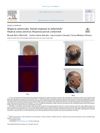
research Alopecia universalis. Partial response to tofacitinib
Tofacitinib partially improved hair regrowth in a patient with severe hair loss.
research The efficacy of tretinoin gel 0.1% followed by topical minoxidil-5% in individuals with androgenetic alopecia
The combination of tretinoin gel and minoxidil effectively improves hair growth and satisfaction in people with androgenetic alopecia.
research Dermatological drugs, topical agents, and cosmetics
The document concluded that various dermatological treatments have different effectiveness and side effects, with some causing irritation, allergic reactions, or systemic effects.
research Th,-e mechanistic insights into the application of retinoids and possible adjunct therapeutic treatment to androgenic alopecia
Retinoids may improve hair growth in androgenic alopecia when used with other treatments.