Nanostructured lipid carriers can improve androgenic alopecia treatment by reducing dutasteride dosage and maintaining its presence in hair follicles longer.
 April 2023 in “Jurnal Farmasi Indonesia”
 Candlenut oil and celery powder improved hair growth and could be a potential treatment for alopecia.
 March 2021 in “International journal for research in applied science and engineering technology”
 Herbal hair dyes from tannin-rich plants are effective and safer than synthetic dyes.
22 citations
,
May 2003 in “Planta Medica” Torilin from Torilis japonica can inhibit testosterone 5α-reductase but is less effective than finasteride.
 April 2023 in “Journal of Investigative Dermatology”
 Long-term Imiquimod treatment causes initial skin inflammation that lessens over time, and topical corticosteroids reduce this inflammation and cytokines in a mouse model of psoriasis.
August 2022 in “Journal of Investigative Dermatology” Baricitinib reduces inflammation and mitochondrial damage in skin cells.
Baricitinib helps keep hair, eyebrows, and eyelashes regrown for 3 years in most people with severe hair loss.
 November 2025 in “Journal of Ayurveda and Integrated Medical Sciences”
 Herbal hair dyes are safe, effective, and beneficial for hair health.
October 2016 in “Letters in Drug Design & Discovery” November 2025 in “Journal of Investigative Dermatology” Dithranol reduces inflammation in alopecia areata by lowering certain immune responses.
1 citations
,
January 2020 in “IRIS UNIMORE (University of Modena and Reggio Emilia)” Aminexil clinical 5 effectively reduces hair loss and is well-tolerated.
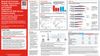 November 2025 in “SKIN The Journal of Cutaneous Medicine”
 Baricitinib helps regrow scalp, eyebrow, and eyelash hair in teens with severe alopecia areata.
January 2026 in “Biomacromolecules” A new method using nanolipogels with fucosterol can help regrow hair by targeting follicles, reducing inflammation, and improving blood flow.
November 2025 in “International Journal of Biological Macromolecules” This eco-friendly hair dye method improves hair health and color durability.
Ritlecitinib improves hair regrowth in alopecia areata without increasing adverse risks.
 September 2025 in “Intisari Sains Medis”
 The combination therapy improved severe alopecia areata in a patient after 14 days.
 January 2005 in “Boletín del Instituto de Estudios Giennenses”
 The test product significantly improved hair growth and reduced hair fall without causing skin issues.
42 citations
,
August 1987 in “Archives of Dermatology” Squaric acid dibutylester led to complete hair regrowth in 28.5% of patients with alopecia areata.
 June 2024 in “Skin Research and Technology”
 Red fluorescence in AGA scalps is linked to different microbes.
 June 2023 in “Clinica Chimica Acta”
 Finasteride and dutasteride effectively reduce DHT in hair, which may help evaluate their treatment success for hair loss.
 September 2023 in “Journal of The American Academy of Dermatology”
 Reducing the dose of Baricitinib to 2mg led to a loss of hair regrowth benefits in nearly half of the patients by Week-104.
 May 2017 in “Journal of The American Academy of Dermatology”
 The treatment increased hair follicle counts and is potentially effective for male hair loss without serious side effects.
22 citations
,
June 2002 in “Journal of Medicinal Chemistry” Compounds 15, 20, and 25 are strong inhibitors of human steroid 5α-reductase type 2.
January 2025 in “Mansoura Medical Journal” Serum IMA levels don't help diagnose AGA but may indicate its severity.
3 citations
,
June 2025 in “Journal of the American Academy of Dermatology” August 2025 in “Marine Drugs” The new composite material is safe and has anticoagulant properties.
 June 2026 in “Journal of health economics and outcomes research”
 Ritlecitinib is more effective and cost-efficient than baricitinib for severe alopecia areata.
December 2025 in “Actas Dermo-Sifiliográficas” Ritlecitinib is effective and safe for treating severe alopecia areata in people aged 12 and older.
 August 2021 in “International Journal of Research in Dermatology”
 Amarantha hair oil contains β-sitosterol, which helps promote hair growth.
January 2026 in “JAAD International” Baricitinib effectively promotes beard regrowth in most men with alopecia areata universalis.