 January 2000 in “Springer eBooks”
 Androgenic Alopecia is commonly known as male or female pattern baldness.
5 citations
,
March 2016 in “Experimental and molecular pathology” Mice with alopecia areata had wider lymphatic vessels in their skin.
 April 2025 in “Archives of Dermatological Research”
 Combining CO2 laser and Bimatoprost effectively boosts hair regrowth in Alopecia Areata.
 May 2017 in “IOSR journal of dental and medical sciences”
 Both Betasalic ointment and 5% minoxidil are effective and safe for treating Alopecia Areata.
52 citations
,
May 2011 in “Journal of Neuroendocrinology” PEA boosts allopregnanolone production and reduces oxidative stress in brain cells.
 3 citations
,
October 2002 in “Journal of The American Academy of Dermatology”
3 citations
,
October 2002 in “Journal of The American Academy of Dermatology” The conclusion is that the hair loss in the patients was likely due to alopecia areata, not boron exposure.
18 citations
,
October 2020 in “Journal of Pharmacology and Experimental Therapeutics” KATP channel openers may cause peripheral edema by reducing lymphatic contractions and flow.
July 2025 in “Journal of Investigative Dermatology” Low-dose oral minoxidil is safe for the heart in the short term for hair loss patients.
 1 citations
,
January 2020 in “Surgical & Cosmetic Dermatology”
1 citations
,
January 2020 in “Surgical & Cosmetic Dermatology” Combining oral minoxidil with JAK inhibitors helps regrow hair in severe alopecia areata cases.
15 citations
,
July 2009 in “Biomedical Chromatography” A reliable method was developed to measure aristolochic acid-I in rat blood.
1 citations
,
April 2017 in “Journal of Investigative Dermatology” Abatacept may help some people with alopecia areata regrow hair.
 19 citations
,
January 2018 in “Acta dermato-venereologica”
19 citations
,
January 2018 in “Acta dermato-venereologica” People with alopecia areata have higher levels of a heart disease marker than those without hair loss.
December 2025 in “International Journal of Dermatology” Combining low-dose oral minoxidil with immunomodulators shows promise for treating alopecia areata but needs more research.
 March 2026 in “Mendeley Data”
 rwSALT provides precise hair regrowth measurement from scalp photos.
October 2001 in “Journal of the American Academy of Dermatology” Topical minoxidil and anthralin work for patchy alopecia areata but not for alopecia totalis/universalis.
November 2025 in “Medicina” Alopecia areata may be linked to changes in body fat but not to heart or artery issues.
1 citations
,
November 2023 in “SKIN The Journal of Cutaneous Medicine”  6 citations
,
July 2022 in “Journal of health economics and outcomes research”
6 citations
,
July 2022 in “Journal of health economics and outcomes research” Adolescents with severe alopecia incur significantly higher healthcare costs.
 January 2014 in “International Journal of Trichology”
 A man had an unusual type of hair loss that didn't match known patterns and didn't improve with treatment.
1 citations
,
March 2023 in “SKIN The Journal of Cutaneous Medicine”  24 citations
,
September 2019 in “Journal of The American Academy of Dermatology”
24 citations
,
September 2019 in “Journal of The American Academy of Dermatology” Low-dose oral minoxidil improved or stabilized hair loss in some patients, but higher doses may be needed for significant effects.
Introducing the OTC gene improved symptoms in mice with OTC deficiency.
July 2024 in “Journal of Investigative Dermatology” Low-dose oral minoxidil is safe for alopecia patients, even those prone to edema.
 4 citations
,
July 2022 in “Journal of health economics and outcomes research”
4 citations
,
July 2022 in “Journal of health economics and outcomes research” Alopecia areata in US adolescents leads to significant healthcare costs and usage.
1 citations
,
July 2023 in “International Journal of Pharmaceutical Sciences and Drug Research” The HPTLC method is effective and accurate for measuring linoleic and oleanolic acid in Eclipta alba.
43 citations
,
November 2009 in “Archives of dermatology” Alefacept does not effectively treat severe alopecia areata.
 July 2023 in “Skin Research and Technology”
 Baricitinib combined with other immune therapies may safely and effectively treat severe scalp hair loss.
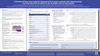 March 2025 in “SKIN The Journal of Cutaneous Medicine”
 The study within the ALLEGRO clinical trial program assessed 832 patients with alopecia areata (AA) to identify predictors of long-term scalp hair regrowth following ritlecitinib treatment. Key predictors for achieving a SALT score ≤20 at 24 months included baseline SALT score, SALT score at Month 6, non-AT/AU type, duration of AA since diagnosis, and duration of significant scalp hair loss at baseline. These findings indicate that certain patient characteristics can predict treatment outcomes, which may help optimize treatment decisions for AA. However, the predictive models are not yet validated for clinical practice and should not replace professional medical judgment.
36 citations
,
July 2017 in “Journal of controlled release” A new method allows for controlled, long-lasting delivery of retinoic acid through the skin with fewer side effects.
 March 2026 in “Mendeley Data”
 rwSALT accurately measures hair regrowth in alopecia areata using scalp photos.