 33 citations
,
July 1992 in “Journal of Investigative Dermatology”
33 citations
,
July 1992 in “Journal of Investigative Dermatology” Minoxidil doesn't affect perifollicular lymphoid infiltration in alopecia areata patients.
 April 2026 in “Zenodo (CERN European Organization for Nuclear Research)”
 Nanocarriers could improve minoxidil delivery for better hair loss treatment.

Topical minoxidil often causes side effects like scalp irritation, but most users continue treatment.
 70 citations
,
April 1990 in “Journal of The American Academy of Dermatology”
70 citations
,
April 1990 in “Journal of The American Academy of Dermatology” Minoxidil treatment increased hair growth for up to 5 years, requiring twice daily application.
December 2018 in “UNIFESP Institutional Repository (Universidade Federal de São Paulo)” Minoxidil 5% helps with patchy alopecia areata, but more research is needed.
March 2025 in “Actas Dermo-Sifiliográficas” High-dose oral minoxidil can improve hair growth but may cause side effects.
 29 citations
,
December 1998 in “Seminars in Cutaneous Medicine and Surgery”
29 citations
,
December 1998 in “Seminars in Cutaneous Medicine and Surgery” New treatments for hair loss show promise, especially finasteride for men and a stronger minoxidil formula.

Minoxidil may help with hair regrowth and disease stabilization in scarring alopecia, but side effects vary, needing more research for consistent safety and effectiveness.
 5 citations
,
January 2018 in “Skin appendage disorders”
5 citations
,
January 2018 in “Skin appendage disorders” Minoxidil base is preferred for hair loss treatment, but minoxidil sulfate may be an alternative for unresponsive patients.
 January 2022 in “Journal of Cosmetic Dermatology”
 Using basic fibroblast growth factor with minoxidil improves hair growth and patient satisfaction more than using minoxidil alone.
 May 2021 in “Lasers in Surgery and Medicine”
 Minoxidil and photobiomodulation together improve hair growth better than minoxidil alone.

Low-dose oral minoxidil is effective for treating hair loss with personalized plans and safety monitoring.
 January 2024 in “SAGE Open Medical Case Reports”
 Minoxidil can help increase facial hair growth.
 13 citations
,
June 2016 in “Dermatologic Therapy”
13 citations
,
June 2016 in “Dermatologic Therapy” Minoxidil works better when applied on a damp scalp than a dry one.
 October 2025 in “Frontiers in Medicine”
 The minoxidil-finasteride combination is more effective for hair growth than minoxidil alone.
 6 citations
,
October 2012 in “PubMed”
6 citations
,
October 2012 in “PubMed” The combined treatment of 3% minoxidil and 0.1% finasteride is more effective in improving hair loss than 3% minoxidil alone, with similar side effects.
 20 citations
,
September 1987 in “The Lancet” September 2022 in “Journal of Cosmetic Dermatology”
20 citations
,
September 1987 in “The Lancet” September 2022 in “Journal of Cosmetic Dermatology” Oral minoxidil effectively treats different types of hair loss with fewer side effects.
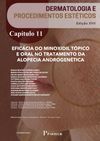 September 2025 in “Editora Pasteur eBooks”
 Low-dose oral minoxidil is as effective as or better than topical minoxidil for hair growth but may cause mild side effects.
1 citations
,
November 2023 in “SKIN The Journal of Cutaneous Medicine” November 2025 in “Journal of Investigative Dermatology” Minoxidil helps hair growth by improving blood vessel function.
 September 2025 in “Frontiers in Medicine”
 Combining minoxidil with other treatments is more effective for hair growth than using minoxidil alone.
 September 2025 in “IP Indian Journal of Clinical and Experimental Dermatology”
 Minoxidil effectively treats patterned hair loss in both males and females.
April 2023 in “Klinicheskaya dermatologiya i venerologiya” Oral Minoxidil may be better for hair growth than topical, but its long-term safety is unclear.
January 2022 in “Indian journal of drugs in dermatology” Oral minoxidil helps with hair growth but needs more research to fully understand its effectiveness and safety.
 5 citations
,
January 2021 in “Journal of The American Academy of Dermatology”
5 citations
,
January 2021 in “Journal of The American Academy of Dermatology” Low-dose oral minoxidil is an effective and safe treatment for hair loss.
 62 citations
,
October 2016 in “Dermatologic Therapy”
62 citations
,
October 2016 in “Dermatologic Therapy” PRP more effective than minoxidil 5% for treating alopecia areata.
 January 2004 in “Journal of Clinical Dermatology”
 A man got a skin allergy from using a hair growth product called minoxidil.
 October 2019 in “DOAJ (DOAJ: Directory of Open Access Journals)”
 Minoxidil nanoparticles improve hair growth more effectively than regular minoxidil.
 24 citations
,
May 2013 in “Drug Design Development and Therapy”
24 citations
,
May 2013 in “Drug Design Development and Therapy” Multimodal minoxidil microemulsion is more effective in treating hair loss than minoxidil alone.