 1 citations
,
September 2003 in “The Journal of the American Animal Hospital Association/Journal of the American Animal Hospital Association”
1 citations
,
September 2003 in “The Journal of the American Animal Hospital Association/Journal of the American Animal Hospital Association” Transdermal fluoxetine is less effective in cats, clomipramine may help with feline alopecia, younger dogs often start fights, dietary changes can reduce cribbing in horses, negative aggression tests in shelter dogs predict good behavior, many older cats show cognitive issues, and fluoxetine or paroxetine can improve canine anxiety.
 14 citations
,
May 2008 in “Journal of proteome research”
14 citations
,
May 2008 in “Journal of proteome research” Dutasteride may help reduce brain plaque linked to Alzheimer's by affecting cell energy structures and waste removal.
36 citations
,
March 2005 in “Biotechnology and Bioengineering” A new method speeds up insulin amyloid fibril growth, useful for studying diseases.
 February 2026 in “Journal of Integrative Neuroscience”
 NGF-modified hair follicle stem cells may help treat Alzheimer's by improving brain function and reducing harmful proteins.
1 citations
,
November 2021 in “IntechOpen eBooks” Red light therapy may help prevent memory loss as we age.
 1 citations
,
July 1997 in “The Lancet”
1 citations
,
July 1997 in “The Lancet” Scientists found a new protein, AMY117, common in Alzheimer's patients, which could be important for treatment and diagnosis.
 3 citations
,
March 2012 in “Actas Dermo-Sifiliográficas”
3 citations
,
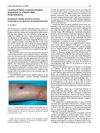
March 2012 in “Actas Dermo-Sifiliográficas” An elderly man with skin amyloidosis and abnormal blood proteins was monitored without finding widespread disease after 18 months.
January 2024 in “International journal of molecular sciences” A brain-made hormone can protect against memory-related brain damage caused by harmful proteins.
4 citations
,
July 2024 in “Biomolecules” Women with PCOS may have a higher risk of Alzheimer's disease.
 July 2016 in “American Journal of Dermatopathology”
 The meeting showcased rare skin disease cases, highlighting the need for accurate diagnosis and treatment.
 January 2019 in “SAGE Open Medical Case Reports”
 A scalp biopsy revealed systemic amyloidosis in a woman who initially seemed to have a common hair loss condition.
 January 2017 in “Brazilian Journal of Pharmaceutical Sciences”
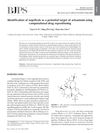
 Arteannuin might work against cancer and Alzheimer's by targeting neprilysin.
June 2023 in “Clinical Cosmetic and Investigational Dermatology” Pentoxifylline effectively improves pretibial pruritic papular dermatitis.
 April 2019 in “Journal of Investigative Dermatology”
 Non-coding RNA boosts retinoic acid production and signaling, aiding regeneration.
 July 1988 in “Journal of The American Academy of Dermatology”
 Various dermatologic treatments were effective for skin conditions like acne, rosacea, hair loss, and psoriasis from December 1986 to December 1987.
January 2026 in “Pharmaceutics” Extracellular vesicles can worsen Alzheimer's but also offer potential for diagnosis and treatment.
15 citations
,
January 2020 in “ILAR Journal” Nonhuman primates are valuable in research but their natural health variations can complicate study results.
35 citations
,
July 2022 in “Frontiers in Integrative Neuroscience” Formononetin may help protect the brain and treat neurological diseases.
21 citations
,
October 2022 in “International Journal of Molecular Sciences” Quercitrin may help treat Alzheimer's by boosting brain cell signaling without causing tumors.
9 citations
,
May 2025 in “Stem Cell Research & Therapy” Extracellular vesicles can both worsen and help treat age-related diseases and are useful for early diagnosis.
 September 2025 in “Journal of International Medical Research”
 Chlorine gas exposure can cause long-term skin issues.
 3 citations
,
July 1997 in “The Lancet”
3 citations
,
July 1997 in “The Lancet” Finasteride may increase hair growth and prevent baldness in men, but can cause sexual side effects.
 July 1997 in “The Lancet”
 A new protein linked to Alzheimer's was discovered, and a hair loss treatment showed effectiveness but had some sexual side effects.
 July 1997 in “The Lancet”
 Finasteride increased hair count and regrowth in men with hair loss but also caused more sexual side effects than placebo.
 August 2015 in “Free Radical Biology and Medicine”
 The document concludes that the discussed biological mechanisms and potential therapies are not related to hair loss or hair growth.
 September 1997 in “JEADV. Journal of the European Academy of Dermatology and Venereology/Journal of the European Academy of Dermatology and Venereology”
 Psychological factors play a significant role in developing alopecia areata.
 58 citations
,
February 2016 in “Scientific reports”
58 citations
,
February 2016 in “Scientific reports” Blocking BACE1 and BACE2 enzymes causes hair color loss in mice.
 10 citations
,
July 2023 in “The Neuroscience Journal of Shefaye Khatam”
10 citations
,
July 2023 in “The Neuroscience Journal of Shefaye Khatam” Vitamin E and C may help slow Alzheimer's and Parkinson's progression.
 1 citations
,
June 2023 in “Radiation oncology journal”
1 citations
,
June 2023 in “Radiation oncology journal” Low-dose radiation therapy may improve brain function in some Alzheimer's patients and is generally well-tolerated.

Human hair follicle stem cells improved memory and brain health in rats.