 August 2024 in “International Journal of Molecular Sciences”
 Androgenetic alopecia involves immune cell disruptions, especially increased CD4+ T cells around hair follicles.
23 citations
,
December 2013 in “Molecular cancer therapeutics” Breast cancer treatments work better with AR activation, improving results and reducing side effects.
5 citations
,
May 2024 in “Molecules” Glycyrrhetinic acid from licorice may help treat acne by reducing inflammation and oil production.
5 citations
,
January 2021 in “Frontiers in Cell and Developmental Biology” Inhibiting Zyxin may help treat androgenetic alopecia by promoting hair growth.
1 citations
,
July 2022 in “British Journal of Dermatology” Targeting specific genes in certain pathways may help treat male pattern baldness.
September 2025 in “Current Issues in Molecular Biology” IGF-1 can help regrow hair and may be a promising treatment for hair loss.
 May 2024 in “Indian Journal of Dermatology”
 Androgenetic alopecia in men is genetic and linked to health issues like obesity and heart disease, with treatments including minoxidil, finasteride, and hair transplants.
15 citations
,
May 2002 in “PubMed” Hormones, especially DHT, affect hair loss and growth, and targeting specific enzymes may help treat hair loss.
January 2026 in “ACS Applied Bio Materials” A new treatment using nanoliposomes can improve hair regrowth in androgenetic alopecia.
December 2025 in “Journal of Drug Delivery Science and Technology” Combining minoxidil with ginsenoside Rg3 and glycyrrhizic acid offers a more effective treatment for androgenic alopecia.
 May 2026 in “Endocrine Connections”
 Androgenetic alopecia in PCOS is linked to insulin resistance, inflammation, and genetics, not just hormones.
 February 2026 in “International Journal of Nanomedicine”
 Engineered exosomes with EGF and FGF improved hair growth in mice with hair loss.
2 citations
,
December 2025 in “Annals of Medicine” Targeting senescent cells may offer new treatments for PCOS.
24 citations
,
January 2018 in “Indian Journal of Dermatology, Venereology and Leprology” Androgenetic alopecia is mainly caused by genetic factors and increased androgen activity, leading to hair follicle miniaturization.
13 citations
,
June 2024 in “Frontiers in Genetics” About 50% of 46, XY DSD cases lack a genetic diagnosis, but advanced sequencing methods improve detection.
 12 citations
,
January 2019 in “Journal of Endocrinology”
12 citations
,
January 2019 in “Journal of Endocrinology” Baicalin may help reduce excessive male hormone levels in PCOS.
8 citations
,
October 2024 in “Frontiers in Cell and Developmental Biology” Telocytes help organize male reproductive tissues and their changes can lead to diseases.
3 citations
,
May 2025 in “Journal of Ovarian Research” m6A deregulation plays a key role in PCOS and could lead to new treatments.
 October 2024 in “Scientific Reports”
 OXTR agonists may promote hair growth and be effective for treating hair loss.
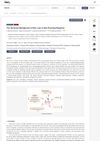 February 2024 in “Biomedicines”
 Hormones like androgens, estrogen, thyroid hormones, and stress hormones can contribute to hair loss, and treatments target these hormonal imbalances.
Women with Polycystic Ovary Syndrome (PCOS) have a higher risk of developing type 2 diabetes due to insulin resistance.
 November 2021 in “Current Otorhinolaryngology Reports”
 New treatments for hair loss could involve using stem cells and a process called the Wnt/beta-catenin pathway to stimulate hair growth.
Different hair growth phases affect how follicles respond to X-rays, and hormones like testosterone and dihydrotestosterone play a key role in baldness; transplanted hair can grow on bald scalp areas.
 21 citations
,
February 2021 in “Frontiers in Endocrinology”
21 citations
,
February 2021 in “Frontiers in Endocrinology” Hormones affect prostate health and disease, with certain hormone imbalances linked to prostate cancer and benign prostatic hyperplasia.
 September 2025 in “Journal of King Saud University - Science”
 Lophocereus marginatus extracts may help treat melanoma and stimulate hair growth.
 November 2024 in “BMC Research Notes”
 SIRT3 and SIRT7 genes may play a role in hair loss.
 June 2024 in “Journal of Allergy and Clinical Immunology”
 TSLP affects atopic dermatitis by increasing sebum and reducing fat through IL-4/IL-13 signaling.
 January 2022 in “Springer eBooks”
 Platelet-rich plasma (PRP) is a promising treatment for hair loss, believed to extend the life cycle of hair follicles and prevent their shrinkage.
August 2006 in “Experimental dermatology” New treatments targeting insulin, blood flow, and inflammation could improve hormone-related hair conditions with fewer side effects.
20 citations
,
August 2020 in “Scientific Reports” Low-dose bisphenol A increases prostate size in rats by affecting certain enzymes.