The treatment was not recommended due to limited effectiveness and significant side effects.
 February 2023 in “Journal of Korean Medical Association”
 Targeted cancer therapies can cause new side effects, requiring careful monitoring and management to ensure patient safety.
 March 2005 in “Journal of The American Academy of Dermatology”
 Diphencyprone treatment protocols could be simplified as no harm occurred despite not fully following them.
January 1975 in “NJEA Review” The drug showed promise in treating renal cell carcinoma with manageable side effects.
 June 2011 in “Oncology times”
 Dr. Mario Lacouture recommends preventive and specific treatments for skin side effects caused by EGFR inhibitors to improve patients' quality of life.
22 citations
,
May 2011 in “European Journal of Cancer” The drug combination was safe and showed promise in treating advanced tumors.
April 2025 in “Journal of Pharma Insights and Research.” Females had more chemotherapy side effects than males, with many being preventable.
Alkylating agents can kill cancer cells but may cause skin and allergic reactions.
 2 citations
,
January 2018 in “Elsevier eBooks”
2 citations
,
January 2018 in “Elsevier eBooks” Targeted therapies for lung cancer are effective but require careful management of side effects to benefit patients.
 March 2026 in “International Journal of Ayurvedic Medicine (Hyderabad)”
 The patient showed tumor stability and improved health using a new Periwinkle preparation with chemotherapy.
 50 citations
,
June 1999 in “Annals of Oncology”
50 citations
,
June 1999 in “Annals of Oncology” Giving docetaxel weekly at 40 mg/m² is manageable and has low toxicity for cancer patients.
 January 2019 in “Oncogen”
 Triple Hormonal Blockade (ADT3) can effectively manage prostate cancer but requires careful monitoring for heart risks.
2 citations
,
February 2025 in “Journal of the American Pharmacists Association” Pharmacy professionals need thorough training and guidelines for safely preparing cytotoxic drugs.

YH0618 helps reduce chemotherapy-induced hair loss by targeting specific proteins and pathways.
 31 citations
,
September 2014 in “International Journal of Dermatology”
31 citations
,
September 2014 in “International Journal of Dermatology” Anthralin is effective for psoriasis and alopecia with minimal systemic side effects but can irritate the skin.
 January 2025 in “Nanoscale”
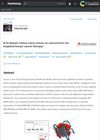
 Boron/nitrogen-doped carbon nano-onions improve targeted breast cancer treatment by enhancing drug delivery and reducing side effects.
 4 citations
,
February 2024 in “The Journal of Urology”
4 citations
,
February 2024 in “The Journal of Urology” Adding hormone therapy to radiation improves survival for high-risk prostate cancer recurrence but has side effects.
 April 2023 in “Journal of Investigative Dermatology”
 ALRN-6924 can protect hair follicles from chemotherapy damage by temporarily stopping cell division.
 1 citations
,
July 2023 in “Cancers”
1 citations
,
July 2023 in “Cancers” Skin side effects from CDK4/6 inhibitors in breast cancer patients are generally mild and treatable, allowing most patients to continue treatment.
 12 citations
,
July 2014 in “Journal of Investigative Dermatology”
12 citations
,
July 2014 in “Journal of Investigative Dermatology” Chemotherapy causes complex changes in hair follicle cells that can lead to hair loss.
18 citations
,
October 1986 in “PubMed” Alpha-tocopherol does not prevent hair loss from doxorubicin.
1 citations
,
April 2022 in “F1000Research” Most pediatric cancer patients at Muhimbili National Hospital in Tanzania experienced side effects from chemotherapy, with nausea, hair loss, and low white blood cell count being the most common.
 3 citations
,
August 2024 in “Frontiers in Oncology”
3 citations
,
August 2024 in “Frontiers in Oncology” Targeted radionuclide therapy shows promise for improving head and neck cancer treatment but needs more research.
 42 citations
,
April 2012 in “Seminars in Oncology”
42 citations
,
April 2012 in “Seminars in Oncology” Targeted cancer therapies often cause skin problems that need careful management to improve patient quality of life and treatment success.
 108 citations
,
December 2003 in “Clinical breast cancer”
108 citations
,
December 2003 in “Clinical breast cancer” PLD is an effective and safer alternative for treating breast cancer.
 15 citations
,
February 2017 in “Nursing Clinics of North America”
15 citations
,
February 2017 in “Nursing Clinics of North America” Targeted cancer therapies can cause skin side effects, which should be treated early to help patients' quality of life and treatment adherence.
 November 2025 in “Eurasian journal of applied biotechnology”
 Combining L-cysteine, NAC, and a MET inhibitor significantly kills cervical cancer cells.
 4 citations
,
January 1989
4 citations
,
January 1989 The book concludes that despite progress, cancer drug treatments have not met the expectations set in the 1960s and 1970s.
 21 citations
,
August 2003 in “Seminars in oncology nursing”
21 citations
,
August 2003 in “Seminars in oncology nursing” Nurses are crucial in managing chemotherapy side effects for ovarian cancer patients to improve their quality of life.
5 citations
,
February 2016 in “International Journal of Cancer” Topical vasoconstrictors do not reduce chemotherapy effectiveness against leukemia in mice.