 1 citations
,
March 2022 in “Daehanhanuihakoeji”
1 citations
,
March 2022 in “Daehanhanuihakoeji” Artemisia sieversiana extract may help prevent hair loss and promote hair growth.
 1 citations
,
January 2017 in “Organic chemistry”
1 citations
,
January 2017 in “Organic chemistry” Tridax procumbens has medicinal properties like healing, pain relief, and infection control.
July 2026 in “International Journal for Research in Applied Science and Engineering Technology” Kasisadi Lepa effectively treats dandruff and promotes scalp health.
 July 2026 in “Zenodo (CERN European Organization for Nuclear Research)”
 Herbal cosmetics are beneficial but need more testing and standardization for global use.
 July 2026 in “Zenodo (CERN European Organization for Nuclear Research)”
 Herbal cosmetics are beneficial but need more testing and standardization for global use.

Basil oil has many health benefits, including improving skin, hair, mood, pain relief, and digestion.
 April 2026 in “Biomolecules”
 Curcumin-based polyurethanes with more PEG improve curcumin release and maintain strong antioxidant and antibacterial properties.
 March 2026 in “Zenodo (CERN European Organization for Nuclear Research)”
 A herbal gel with natural ingredients can safely and effectively treat folliculitis.
 March 2026 in “Zenodo (CERN European Organization for Nuclear Research)”
 The herbal gel effectively treats folliculitis with fewer side effects.
 December 2025 in “Applied Sciences”
 Argan oil complexes improve hair treatment by enhancing stability, antibacterial properties, and hair texture.
 November 2025 in “Current Cosmetic Science”
 Rosemary may help prevent hair loss and promote hair growth, but more research is needed.
 October 2025 in “Jurnal Medisains Kesehatan”
 Muntingia calabura leaf extract is more effective against acne-causing bacteria than Averrhoa bilimbi.
 September 2025 in “ACS Applied Polymer Materials”
 The hydrogel speeds up wound healing, fights bacteria, reduces inflammation, and monitors pH.
September 2025 in “OPAL (Open@LaTrobe) (La Trobe University)” The hydrogel promotes wound healing, fights bacteria, and monitors pH.
 April 2025 in “International Journal of Health Sciences”
 Polyscias scutellaria has potential health benefits, including fighting bacteria, fungi, inflammation, diabetes, cancer, and promoting hair growth.
April 2025 in “The Journal of Agriculture and Development” The best way to extract antioxidants from Eclipta prostrata is using a 43:1 solvent ratio at 64°C for 97 minutes.
December 2024 in “Jurnal Ilmiah Farmasi (Scientific Journal of Pharmacy)” Nanotechnology could improve lavender oil's effectiveness, but more research is needed.
 December 2024 in “International Journal of experimental research and review”
 Ultrasonic vibrations create a superior fir and cedar oil emulsion, enhancing antibacterial and other beneficial properties for food, cosmetics, and pharmaceuticals.
 December 2024 in “International Journal of Research in Ayurveda and Pharmacy”
 Sowbhagya Chundi Legiyam helps postpartum women recover and prevent infections.
 October 2024 in “Iraqi postgraduate medical journal”
 Ciprofloxacin is slightly more effective than Clindamycin for reducing acne.
July 2024 in “Quality in Sport” Rosemary oil may help with health and beauty, but more research is needed.
 June 2024 in “International journal of nanomedicine”
 Azelaic acid micro/nanocrystals, especially with ultrasound and salicylic acid, greatly improve acne treatment.
 May 2024 in “International Journal of Science and Research Archive”
 Herbal hair oil made from herbs and coconut oil helps reduce dandruff and hair fall.
 May 2024 in “Journal of medicinal food”
 Jojoba oil has many uses beyond skincare, including health benefits and pharmaceutical applications.
 April 2024 in “Chemical engineering journal”
 The new hydrogel made from thymol and glycyrrhizin helps heal MRSA-infected wounds in rats effectively.
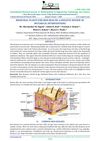 March 2024 in “International Research Journal Of Modernization In Engineering Technology And Science”
 Certain plants like Aloe vera and Neem are effective and safe for treating various skin conditions.
 March 2024 in “Journal of medicinal plants studies”
 Hibiscus has medicinal benefits but can be toxic in high doses and is unsafe for pregnant women and infants.
 January 2024 in “Natural product research”
 The bulb and shoot of Allium longisepalum contain various compounds with potential health benefits, including antioxidant and anti-inflammatory properties.
 January 2024 in “JAAD case reports”
 Netherton syndrome can cause severe and chronic vulvovaginal symptoms that may improve with continuous oral contraceptives.

The research developed a human hair keratin and silver ion hydrogel that could help heal wounds.