 2 citations
,
August 2020 in “Cosmetics”
2 citations
,
August 2020 in “Cosmetics” Herbal formula shows promise for hair loss treatment.
June 2025 in “Preprints.org” EDA is vital for bone and cartilage formation and could help treat skeletal disorders.
Padina arborescens and its component MOGG may help prevent hair loss through several actions, including blocking a hair loss-related enzyme.
 1 citations
,
July 2023 in “Al-Azhar Medical Journal”
1 citations
,
July 2023 in “Al-Azhar Medical Journal” Higher antigliadin antibodies are linked to more severe alopecia areata, suggesting screening for celiac disease in these patients.
 25 citations
,
May 2020 in “Stem Cells Translational Medicine”
25 citations
,
May 2020 in “Stem Cells Translational Medicine” ADSC-CE treatment safely increases hair density and thickness in androgenetic alopecia patients.
 January 2014 in “International Journal of Case Reports and Images”
 A woman with undifferentiated connective tissue disease was diagnosed with renal amyloidosis and carpal tunnel syndrome.
March 2000 in “CRC Press eBooks” December 2025 in “Journal of Drug Delivery Science and Technology” Combining minoxidil with ginsenoside Rg3 and glycyrrhizic acid offers a more effective treatment for androgenic alopecia.
 February 2026 in “International Journal of Homoeopathic Sciences”
 Homeopathic treatment with Arsenicum album improved keratosis pilaris symptoms in one case.
 4 citations
,
January 2016 in “Annals of Dermatology”
4 citations
,
January 2016 in “Annals of Dermatology” More severe hair loss links to thicker heart fat, suggesting possible heart disease risk.
 4 citations
,
November 2021 in “Pharmaceuticals”
4 citations
,
November 2021 in “Pharmaceuticals” Paeonia lactiflora and Poria cocos extracts can potentially increase hair growth and reduce hair loss symptoms by lowering testosterone and inflammation levels.
1 citations
,
January 2004 in “Linchuang pifuke zazhi” Topical cyclosporin-A is recommended for severe alopecia areata.
 8 citations
,
July 2024 in “Scientific Reports”
8 citations
,
July 2024 in “Scientific Reports” Salicylate helps wounds heal without scarring in mice.
June 2021 in “The Journal of Family Practice” A 69-year-old woman has a fast-growing hand lesion that didn't improve with salicylic acid.
December 2025 in “ACS Applied Bio Materials” The aloe-collagen dressing speeds up wound healing effectively.
Baricitinib is more effective than methotrexate for severe alopecia areata.
3 citations
,
February 2017 in “The American journal of dermatopathology/American journal of dermatopathology” Sarcoidosis can mimic other skin disorders, making diagnosis challenging.
 April 2023 in “The journal of investigative dermatology/Journal of investigative dermatology”
 Too much IKZF1 and Ikaros protein may cause alopecia areata.
November 2025 in “Medicina” Alopecia areata may be linked to changes in body fat but not to heart or artery issues.
3 citations
,
September 2024 in “Brain and Behavior” ASA and CM may protect the brain and work better together.
February 2025 in “Pediatric Dermatology” 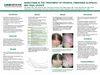 November 2025 in “SKIN The Journal of Cutaneous Medicine”
 Baricitinib shows promise in improving frontal fibrosing alopecia symptoms.
1 citations
,
January 2024 in “Dermatologic Therapy” Combining tacrolimus with excimer light is more effective for treating alopecia areata than using excimer light alone.
October 2021 in “QJM: An International Journal of Medicine” N-acetyl-cysteine improves hair growth and is safe for treating early male hair loss.
 December 2024 in “Journal of Medicinal Chemistry”
 A new topical treatment for hair loss shows promise by targeting androgen receptors.
1 citations
,
December 2024 in “Journal of Orthopaedic Research®” Aromoline and DRD4 are potential targets for osteoarthritis treatment.
61 citations
,
September 2011 in “Pain” PEA reduces pain by increasing neurosteroid synthesis in the spinal cord.
 20 citations
,
January 2013 in “Evidence-based complementary and alternative medicine”
20 citations
,
January 2013 in “Evidence-based complementary and alternative medicine” TGPC plus CGT is effective and safe for treating severe alopecia areata in children.
April 2023 in “Journal of Investigative Dermatology” cp-asiAR may effectively treat hair loss by targeting androgen receptors.
14 citations
,
June 2009 in “Journal of veterinary internal medicine” High doses of albendazole can be deadly for alpacas.