 January 2025 in “International Journal of Dermatology Venereology and Leprosy Sciences”
 Tofacitinib improved hair regrowth and quality of life in children with alopecia areata, with mild side effects.
 July 2021 in “British Journal of Dermatology”
 A woman with systemic sclerosis developed a unique scarring hair loss combining features of systemic sclerosis and frontal fibrosing alopecia.
 1 citations
,
April 2021 in “Journal of The American Academy of Dermatology”
1 citations
,
April 2021 in “Journal of The American Academy of Dermatology” Some overweight or obese men with long-term frontal fibrosing alopecia may have abnormal sex hormone levels.
15 citations
,
August 2013 in “Gene” The MTHFR C677T mutation may increase the risk of alopecia areata in the Turkish population.
 32 citations
,
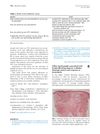
September 2017 in “Journal of the American Academy of Dermatology”
32 citations
,
September 2017 in “Journal of the American Academy of Dermatology” Oral isotretinoin effectively treats yellow facial papules in frontal fibrosing alopecia patients.
 July 2018 in “Reactions Weekly”
 Lower finasteride doses had more side effects; dutasteride caused back pain; more research needed on post-finasteride syndrome.
 63 citations
,
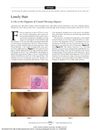
October 2011 in “Archives of Dermatology”
63 citations
,
October 2011 in “Archives of Dermatology” Isolated long hairs at the original hairline can help diagnose Frontal Fibrosing Alopecia.
September 2024 in “JEADV Clinical Practice” Alopecia areata significantly affects patients' lives, causing physical, psychological, social, and financial challenges.
July 2026 in “Journal of the American Academy of Dermatology” 172 citations
,
March 2019 in “The EMBO Journal” FERONIA and LRX proteins help control cell growth in plants by regulating vacuole expansion.
 2 citations
,
April 2023 in “Cutis”
2 citations
,
April 2023 in “Cutis” More inclusive research is needed to effectively treat frontal fibrosing alopecia in Black patients.
March 2021 in “Medico-Legal Update” The androgen receptor gene doesn't affect women with recurrent spontaneous abortions, but having a mutant genotype might protect against it.
August 2024 in “Scientia Horticulturae” AMF initially inhibits but later promotes citrus root hair growth by regulating auxin levels.
February 2020 in “Definitions” 7 citations
,
July 2021 in “The Journal of Dermatology” Facial care products are not linked to causing frontal fibrosing alopecia.
January 2019 in “Journal of the Egyptian Women's Dermatologic Society (Print)” People with androgenetic alopecia have a higher risk of heart disease.
December 2022 in “Zenodo (CERN European Organization for Nuclear Research)” Tofacitinib effectively treated severe alopecia areata in a 14-year-old girl.
November 2011 in “Nature Clinical Practice Urology” 5ARIs effectively treat and manage BPH by reducing prostate size and symptoms.
June 2026 in “British Journal of Dermatology” Alopecia areata patients face significant mental distress, but psychological support is lacking.
 January 2021 in “Türkiye klinikleri dermatoloji dergisi”
 Eyebrow loss in frontal fibrosing alopecia is common and may be linked to other health issues.
 57 citations
,
January 2003 in “Clinical and experimental dermatology”
57 citations
,
January 2003 in “Clinical and experimental dermatology” Postmenopausal frontal fibrosing alopecia is a type of hair loss in postmenopausal women that may stop on its own but has no effective treatment.
 1 citations
,
January 2023
1 citations
,
January 2023 Alopecia Areata significantly reduces quality of life, especially in women, long-term sufferers, and severe cases.
May 2025 in “Journal of the European Academy of Dermatology and Venereology” Etrasimod is safe but not effective for severe alopecia areata, though it may help milder cases.
40 citations
,
August 2005 in “JEADV. Journal of the European Academy of Dermatology and Venereology/Journal of the European Academy of Dermatology and Venereology” Acitretin moderately improved skin and eye issues but not hair loss or light sensitivity in a 3-year-old with IFAP syndrome.
October 2022 in “The Egyptian Journal of Hospital Medicine” Methotrexate and azathioprine can help treat alopecia areata.