January 2025 in “Dermatologic Therapy” Oxidative stress damages hair follicles and worsens hair loss in androgenetic alopecia.
 1 citations
,
May 2015 in “Journal of The American Academy of Dermatology”
1 citations
,
May 2015 in “Journal of The American Academy of Dermatology” Both azathioprine and betamethasone treatments effectively regrow hair in alopecia areata, but azathioprine may be safer.
 December 2025 in “Ciencia Latina Revista Científica Multidisciplinar”
 Nanotechnology shows promise in improving hair loss treatments by enhancing drug delivery and reducing side effects.
4 citations
,
September 2023 in “Journal of Dermatological Treatment” Red and near-infrared light-emitting fabric may help improve psoriasis, PMLE, and alopecia areata.
October 2020 in “The American journal of gastroenterology” Para-aminobenzoic acid in hair supplements can cause autoimmune hepatitis.
35 citations
,
December 2014 in “Clinical and experimental dermatology” Oxidative stress may play a role in causing alopecia areata.
January 2026 in “Zenodo (CERN European Organization for Nuclear Research)” Yoga Prana Vidya healing can effectively treat hair loss in children.
 November 2024 in “SKIN The Journal of Cutaneous Medicine”
 Ritlecitinib provides new treatment options for diverse alopecia areata patients.
 May 2026 in “Zenodo (CERN European Organization for Nuclear Research)”
 The serum with microneedling device improves hair loss treatment effectively and safely.
1 citations
,
February 2025 in “Medicina” No significant genetic link to alopecia areata was found in the Jordanian group.
November 2025 in “Zenodo (CERN European Organization for Nuclear Research)” November 2025 in “Zenodo (CERN European Organization for Nuclear Research)”  15 citations
,
July 2019 in “Lasers in surgery and medicine”
15 citations
,
July 2019 in “Lasers in surgery and medicine” The erbium-glass laser effectively promotes hair regrowth in alopecia areata.
 7 citations
,
January 2017 in “Dermatology”
7 citations
,
January 2017 in “Dermatology” People who get alopecia areata after age 50 usually have mild symptoms, high chances of hair regrowth, and often have other health conditions.
 June 2024 in “Neuromuscular Disorders”
 Baricitinib successfully treated myasthenia gravis and alopecia in a patient.
December 2025 in “Value in Health” Alopecia areata significantly strains healthcare and finances in the UAE, needing better management.
 January 2025 in “ACS Applied Materials & Interfaces”
 Nanoparticles with specific drugs can help regrow hair in alopecia areata.
 19 citations
,
April 1995 in “Clinical Genetics”
19 citations
,
April 1995 in “Clinical Genetics” Two siblings were the first reported cases of inheriting both eye coloboma and loose anagen syndrome together.

People with alopecia areata have more inflammation but similar heart risk as healthy people.
 April 2024 in “Contribuciones a las ciencias sociales”
 Combining essential oils with clay therapy effectively treats dandruff and seborrhea.
 December 2023 in “JEADV Clinical Practice”
 A woman's hair grew back with baricitinib treatment, but she developed a temporary hairy tongue that was treated with regular tongue brushing.
 September 2024 in “Journal of the European Academy of Dermatology and Venereology”
 Baricitinib effectively reduces hair loss in severe alopecia areata with mild side effects.
29 citations
,
February 2021 in “Cancers” Ion channels play a key role in ovarian cancer growth and treatment resistance.
Introducing the OTC gene improved symptoms in mice with OTC deficiency.
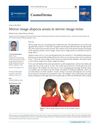
Mirror-image twins can have alopecia areata on opposite sides of their heads.
November 2025 in “Journal of Investigative Dermatology” Alopecia areata requires addressing both emotional and financial challenges for better patient care.
 1 citations
,
July 2024 in “Indian Journal of Case Reports”
1 citations
,
July 2024 in “Indian Journal of Case Reports” GAPO syndrome causes growth issues, hair loss, missing teeth, and vision problems.
 6 citations
,
January 2018 in “Pharmacoepidemiology and Drug Safety”
6 citations
,
January 2018 in “Pharmacoepidemiology and Drug Safety” Starting 5-alpha reductase inhibitors does not significantly increase the risk of rhabdomyolysis in older men, but is linked to a higher risk of muscle conditions.

Baricitinib effectively promotes regrowth of eyebrows and eyelashes in alopecia areata patients.
2 citations
,
September 1992 in “Steroids” New A-homo-B, 19-dinor steroids showed strong antiandrogenic activity without affecting the enzyme 5α-reductase or androgen receptor binding.