365 citations
,
November 2018 in “Journal of Allergy and Clinical Immunology” People with atopic dermatitis have different skin bacteria, and targeting these bacteria might help treat the condition.
9 citations
,
August 1980 in “Journal of Cutaneous Pathology” Rhodamin B stain is inconsistent for keratin in skin samples.
 October 2024 in “Tikrit Journal of Pure Science”
 High Geh gene expression in Staphylococcus aureus contributes to acne.
 129 citations
,
November 2005 in “Internal Medicine Journal”
129 citations
,
November 2005 in “Internal Medicine Journal” Early detection and intensive treatment of diseases caused by Staphylococcus aureus toxins are crucial for reducing severe health effects.
January 2000 in “The Journal of Trace Elements in Experimental Medicine” Zinc supplementation effectively treats acrodermatitis enteropathica symptoms.
September 2025 in “International Journal of Molecular Sciences” Bacteroides fragilis and Microbacterium sp. T32 may be linked to autoimmune activity in Hashimoto's thyroiditis and alopecia areata.
27 citations
,
September 2021 in “Microbiology Spectrum” Calprotectin causes Pseudomonas aeruginosa to starve for metals, affecting its virulence.
10 citations
,
April 2024 in “International Journal of Molecular Sciences” Gut bacteria differences may influence alopecia areata.
20 citations
,
October 2005 in “Archives of Dermatological Research” July 2026 in “Macromolecular Bioscience” Sulfated glycosaminoglycans from Acipenser baerii cartilage improve wound healing and fibroblast function.
 2 citations
,
January 2022 in “bioRxiv (Cold Spring Harbor Laboratory)”
2 citations
,
January 2022 in “bioRxiv (Cold Spring Harbor Laboratory)” A protein called FERONIA helps control root hair growth in response to cold and low nitrogen by activating nutrient-sensing pathways in a plant called Arabidopsis.
 September 2025 in “Deleted Journal”
 Blocking androgen receptors boosts macrophages' ability to clear certain bacteria.
6 citations
,
December 2015 in “International journal of immunopathology and pharmacology” AE can have varied symptoms and genetic causes, but zinc therapy helps.
May 2010 in “Europe PMC (PubMed Central)” Near-infrared probes can safely and effectively image cysteine protease activity for disease diagnosis.
2 citations
,
July 2022 in “bioRxiv (Cold Spring Harbor Laboratory)” Certain gut bacteria can lower androgen levels in male mice.
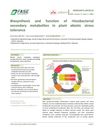 November 2025 in “Frontiers of Agricultural Science and Engineering”
 Rhizobacterial strain RT3 helps lettuce survive drought by producing protective substances like proline.
11 citations
,
February 2022 in “JAAD case reports” Abrocitinib, a JAK inhibitor, may help treat atopic dermatitis and alopecia universalis together.
 September 2019 in “Journal of Investigative Dermatology”
 Abrocitinib at 100 mg and 200 mg daily may significantly improve moderate-to-severe atopic dermatitis in patients 12 years and older.
 25 citations
,
November 2022 in “British journal of dermatology/British journal of dermatology, Supplement”
25 citations
,
November 2022 in “British journal of dermatology/British journal of dermatology, Supplement” Baricitinib for severe alopecia areata is generally safe, with common side effects like infections and acne, and low rates of serious complications.
 January 2023 in “Open journal of pediatrics”
 A 7-month-old girl with a rare skin disorder died because diagnosis was delayed.
 1 citations
,
August 2017 in “British Journal of Dermatology”
1 citations
,
August 2017 in “British Journal of Dermatology” Sodium hypochlorite can effectively prevent and remove Staphylococcus aureus biofilms in atopic dermatitis at high enough concentrations.
 January 2024 in “Journal of Microorganism Control”
 The antibacterial toner can effectively kill acne-causing bacteria by penetrating skin plugs.
1 citations
,
June 2016 in “DOAJ (DOAJ: Directory of Open Access Journals)” The Enterobacter isolate AMS1-S8 is effective for removing selenium from wastewater.
 July 2024 in “Journal of Bioscience and Bioengineering”
 Different conditions affect how easily hair bacteria can be isolated.
October 2025 in “OPAL (Open@LaTrobe) (La Trobe University)” Early genetic testing and zinc therapy are crucial for managing acrodermatitis enteropathica in infants.
31 citations
,
March 1963 in “American journal of diseases of children” Acrodermatitis enteropathica is a rare inherited disorder causing skin issues, diarrhea, and hair loss.
Halo KS-7 bacteriophage effectively kills drug-resistant Klebsiella pneumoniae and could help treat infections.
November 2023 in “IntechOpen eBooks” Arsenic exposure from contaminated water severely damages the skin, causing hair loss, pigmentation changes, irritation, and can lead to skin cancer.
 13 citations
,
January 2022 in “Advances in Dermatology and Allergology”
13 citations
,
January 2022 in “Advances in Dermatology and Allergology” Alopecia areata may be linked to imbalanced gut bacteria.
 December 2025 in “Medical & Clinical Case Reports Journal”
 Corynebacterium minutissimum might cause hair loss on the scalp, but it's rarely diagnosed.