 July 2021 in “International journal of dermatology, venereology and leprosy sciences”
 Diphenylcyclopropenone is more effective and has fewer side effects than dinitrochlorobenzene for treating alopecia areata.
75 citations
,
September 1971 in “British Journal of Dermatology” Both steroids effectively promote hair growth for at least 9 months.
May 2025 in “Actas Dermo-Sifiliográficas” Botulinum toxin is not effective for treating androgenetic alopecia.
 7 citations
,
October 2023 in “Indian Journal of Plastic Surgery”
7 citations
,
October 2023 in “Indian Journal of Plastic Surgery” Robotics in facial injections offers precision but is costly and lacks personal touch.
2 citations
,
March 1964 in “Archives of Dermatology” Different doses of triamcinolone injections work equally well for skin conditions.
 8 citations
,
October 2017 in “Dermatologic Surgery”
8 citations
,
October 2017 in “Dermatologic Surgery” Men need higher doses and tailored injection techniques for botulinum toxin treatments due to their unique facial features.
10 citations
,
October 2014 in “Plastic & Reconstructive Surgery Global Open” Botulinum toxin type A injections improved hair growth and scalp health in a woman with radiation-induced hair loss.
60 citations
,
October 2009 in “PubMed” Intralesional steroid injections are safe and effective for treating severe alopecia areata.
6 citations
,
October 2016 in “Pediatric Dermatology” A 6-year-old girl had a rare allergic reaction to a hair regrowth treatment.
 6 citations
,
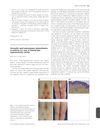
February 2016 in “British Journal of Dermatology”
6 citations
,
February 2016 in “British Journal of Dermatology” A woman with a drug allergy to anakinra was successfully desensitized, allowing her to continue treatment without allergic reactions.
July 2025 in “Actas Dermo-Sifiliográficas” Botulinum toxin A does not significantly improve hair density or thickness in androgenetic alopecia.
 May 2026 in “Zenodo (CERN European Organization for Nuclear Research)”
 The serum with microneedling effectively treats alopecia areata by enhancing drug delivery and is safe and patient-friendly.
 July 2025 in “Russian Journal of Clinical Dermatology and Venereology”
 Botulinum toxin is not proven effective for treating hair loss.
Botulinum toxin A helped stop hair loss and grow new hair in mice.
219 citations
,
January 2005 in “Plastic & Reconstructive Surgery” Surgical treatment can significantly reduce or eliminate migraine symptoms.
Botulinum toxin-A injections in the scalp can reduce hair loss and promote new hair growth in men with certain types of baldness.
 19 citations
,
November 2018 in “Nutrients”
19 citations
,
November 2018 in “Nutrients” Annurca apple extract may protect mouse hair from damage by chemotherapy and could help treat hair loss without promoting cancer growth.
 56 citations
,
November 1993 in “Journal of The American Academy of Dermatology”
56 citations
,
November 1993 in “Journal of The American Academy of Dermatology” Capsaicin cream quickly relieved itching in two patients with brachioradial pruritus.
13 citations
,
December 2009 in “Journal of the Peripheral Nervous System” TRPA1 and TRPV1 channels don't affect mechanotransduction in rat sinus hair follicles.
 1 citations
,
December 2021 in “Journal of drugs in dermatology”
1 citations
,
December 2021 in “Journal of drugs in dermatology” The new hyaluronic acid gel is as safe and effective for lip enhancement as the existing product.
October 2024 in “Frontiers in Immunology” Pertussis toxin may contribute to hair loss in alopecia areata.
 22 citations
,
June 2018 in “Journal of Neuroinflammation”
22 citations
,
June 2018 in “Journal of Neuroinflammation” Procyanidins from grape seeds reduce nerve pain by blocking specific proteins and inflammation.
 1 citations
,
October 2025 in “Iranian journal of pharmaceutical research”
1 citations
,
October 2025 in “Iranian journal of pharmaceutical research” Geranyl acetate can protect skin cells from damage and inflammation caused by para-phenylenediamine.
December 2025 in “Portuguese National Funding Agency for Science, Research and Technology (RCAAP Project by FCT)” Botulinum toxin may reduce inflammation markers in head and neck conditions, but evidence is uncertain.
 168 citations
,
December 1986 in “Cancer Chemotherapy and Pharmacology”
168 citations
,
December 1986 in “Cancer Chemotherapy and Pharmacology” Epirubicin is as effective as doxorubicin for cancer treatment with less heart damage, but doesn't work on doxorubicin-resistant cancers.
2 citations
,
March 1977 in “British Journal of Dermatology” Nandrolone phenylpropionate injections thickened the skin and enlarged oil glands in female hairless hamsters.
 3 citations
,
September 1980 in “Experientia”
3 citations
,
September 1980 in “Experientia” Dobutamine does not mimic dopamine at therapeutic doses but may at very high concentrations; microfilaments, not microtubules, are important for wound healing in Xenopus embryos.
September 2015 in “Journal watch” Triamcinolone acetonide injections help regrow hair in alopecia areata patients.
110 citations
,
January 1995 in “European Journal of Neuroscience” Glycine is a key transmitter in rat spinal cord synapses, often alongside GABA.
63 citations
,
February 2010 in “Journal of Neurophysiology” Microstimulation of certain facial and mouth nerves can evoke specific sensations, while deeper nerves may require multiple stimulations to affect perception.