 37 citations
,
September 2018 in “Journal of the American Academy of Dermatology”
37 citations
,
September 2018 in “Journal of the American Academy of Dermatology” Ruxolitinib can help regrow hair in severe alopecia areata.
1 citations
,
November 2025 in “American Journal of Clinical Dermatology” Ritlecitinib is generally safe for long-term use in treating alopecia areata.
November 2025 in “Natural Product Communications” Rosemary essential oil can improve mood, sleep, and cognitive function but may cause allergies, so use it carefully.
20 citations
,
January 2019 in “Toxicology Reports” Dunaliella salina microalgae is safe to eat and may boost health.
 4 citations
,
February 2012 in “Chinese Science Bulletin”
4 citations
,
February 2012 in “Chinese Science Bulletin” The MtAnn3 gene affects root hair growth and is influenced by cytokinin.
July 2025 in “Journal of the European Academy of Dermatology and Venereology” 
MLO proteins are crucial for root hair growth by regulating calcium and ROS levels.
13 citations
,
February 2025 in “Journal of the European Academy of Dermatology and Venereology” Ritlecitinib shows promise for treating alopecia areata, especially with early and extended treatment.
January 2006 in “Xibei zhiwu xuebao” Norethindrone and levonorgestrel can enhance or inhibit root growth in Arabidopsis thaliana depending on the concentration.
 January 2026 in “Lumbung Farmasi Jurnal Ilmu Kefarmasian”
 The topical formula with sidr leaves and roasted candlenut extracts significantly boosts hair growth for alopecia.
3 citations
,
December 2022 in “The Neurologist” CARASIL, a rare genetic disorder, was confirmed in an Arabic woman, highlighting its rarity and need for stroke prevention.
July 2023 in “International Journal of Molecular Biology and Biochemistry” The hair oil made with Arnica montana, castor, and mustard oils is effective.
12 citations
,
May 2023 in “Molecules” Polygoni Cuspidati Rhizoma et Radix contains compounds that inhibit certain enzymes.
Age-related changes in scalp glands may affect hair health, but sulforaphane might help.
 28 citations
,
May 2020 in “BMC plant biology”
28 citations
,
May 2020 in “BMC plant biology” The study concluded that three enzymes are important for plant development by affecting sugar composition and calcium binding in plants.
15 citations
,
August 1991 in “American Journal of Medical Genetics” A special diet can fix hair problems in argininosuccinase deficiency.
November 2022 in “Munich Personal RePEc Archive (Ludwig Maximilian University of Munich)” Phosphatidylinositol 4-kinases are crucial for root growth, defense, and immunity in Arabidopsis thaliana.
32 citations
,
December 1965 in “The Lancet” Argininosuccinic aciduria can cause hair loss.
 July 2026 in “Zenodo (CERN European Organization for Nuclear Research)”
 Biochanin A is the safest herbal compound for potential hair loss treatment.
November 2025 in “Revista Multidisciplinar do Nordeste Mineiro” Rosemary oil can help hair growth and is as effective as some traditional treatments but with fewer side effects.
612 citations
,
February 2004 in “Nature” OXI1 kinase is essential for plant defense and root hair growth in Arabidopsis.
 13 citations
,
December 2017 in “Archives of Medical Sciences”
13 citations
,
December 2017 in “Archives of Medical Sciences” Rivaroxaban can cause liver injury, allergic reactions, blood vessel inflammation, and hair loss, but these side effects are rare.
 July 2025 in “SKIN The Journal of Cutaneous Medicine”
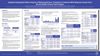
 Ritlecitinib is generally safe for alopecia areata patients over 72 months.
1 citations
,
February 2024 in “Peer Review” Combining rosemary oil with light therapy may improve hair loss treatment.
November 2025 in “Journal of Complementary and Alternative Medical Research” Oleanolic acid in spearmint may help manage PCOS symptoms.
 January 2024 in “Frontiers in plant science”
 The zinc finger protein 3 in Arabidopsis thaliana reduces plant growth and root hair development.
The nanoemulsions effectively promoted hair growth in male rats.
4 citations
,
July 2024 in “Skin Research and Technology” 5 citations
,
January 1976 Leucaena was unpalatable, caused health issues, and reduced fertility in heifers.
June 2025 in “British Journal of Dermatology” Ritlecitinib may cause serious side effects like blood clots in alopecia areata patients.