January 2022 in “Skin Appendage Disorders” Areata-like lupus can mimic alopecia areata but is a form of cutaneous lupus erythematosus.
1 citations
,
January 2019 in “Zenodo (CERN European Organization for Nuclear Research)” Eclipta alba has unique stem, leaf, and root features, including air cavities and secretory structures.
 November 2022 in “The journal of investigative dermatology/Journal of investigative dermatology”
 Linalool in personal care products may contribute to hair loss by damaging hair follicle stem cells and triggering harmful immune responses.
 31 citations
,
October 2010 in “Progress in lipid research”
31 citations
,
October 2010 in “Progress in lipid research” LPA3 is crucial for embryo implantation and links LPA to prostaglandin signaling.
 March 2025 in “SKIN The Journal of Cutaneous Medicine”
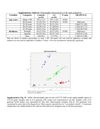
 Certain patient characteristics can help predict hair regrowth success with ritlecitinib in alopecia areata.
 7 citations
,
July 2020 in “Immunological Investigations”
7 citations
,
July 2020 in “Immunological Investigations” The rs231775 genetic variant is linked to a higher risk and severity of Alopecia Areata in males.
April 2019 in “Journal of Investigative Dermatology” Blocking LFA-1 prevents hair loss in mice.
 April 2016 in “The journal of investigative dermatology/Journal of investigative dermatology”
 The back of the scalp has more nerve fibers than the front, which may explain why some people feel more sensitivity there.
 3 citations
,
September 2024 in “BMC Oral Health”
3 citations
,
September 2024 in “BMC Oral Health” Low-level laser therapy reduces orthodontic relapse in rats, but fulvic acids do not.
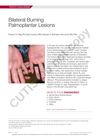
The woman was diagnosed with lichen sclerosus, a rare skin condition, after initial misdiagnosis and ineffective treatments.
 5 citations
,
January 2018 in “Skin Pharmacology and Physiology”
5 citations
,
January 2018 in “Skin Pharmacology and Physiology” Curcuma aeruginosa extract lotion significantly reduces underarm hair growth.
41 citations
,
April 2009 in “Journal of comparative neurology” P2X3-IR fibers are widespread in rat skin and likely help detect pain.
 31 citations
,
December 2010 in “Journal of the American Academy of Dermatology”
31 citations
,
December 2010 in “Journal of the American Academy of Dermatology” Loose anagen hair syndrome is caused by structural abnormalities in the hair follicle's inner root sheath.
March 2026 in “Microchemical Journal”  September 2025 in “Journal of Surfactants and Detergents”
 Shampoos with sodium lauroyl methylaminopropionate improve hair lubrication and reduce irritation.
December 1990 in “PubMed” Different glycoconjugates are present in the outer and inner root sheaths of human hair follicles.
December 2022 in “Journal of Paediatrics and Child Health” The girl's itchy armpit and pubic lesions didn't improve with antifungal cream.
4 citations
,
August 2025 in “Plant Cell & Environment” Azospirillum brasilense promotes root hair growth in Arabidopsis by increasing auxin and activating specific genes.
 2 citations
,
January 2024 in “Advances in Dermatology and Allergology”
2 citations
,
January 2024 in “Advances in Dermatology and Allergology” S100A7 and IL-17 may contribute to inflammation in lichen planopilaris.
November 2025 in “Journal of Investigative Dermatology” Certain immune cells in atopic dermatitis skin could be targeted for treatment.
 10 citations
,
June 2020 in “Journal of Cosmetic Dermatology”
10 citations
,
June 2020 in “Journal of Cosmetic Dermatology” Frontal fibrosing alopecia may be linked to genital Lichen sclerosus through an autoimmune process.
 18 citations
,
March 2015 in “Journal of Dermatological Case Reports”
18 citations
,
March 2015 in “Journal of Dermatological Case Reports” Rectangular black granules, solitary yellow dots, and mostly single-hair follicles suggest Loose Anagen Hair Syndrome.
 68 citations
,
April 2002 in “Journal of Alternative and Complementary Medicine”
68 citations
,
April 2002 in “Journal of Alternative and Complementary Medicine” Natural 5AR inhibitors effectively improve mild to moderate hair loss in men.
13 citations
,
December 2009 in “Journal of the Peripheral Nervous System” TRPA1 and TRPV1 channels don't affect mechanotransduction in rat sinus hair follicles.
January 2026 in “Case Reports in Dermatological Medicine” Intralesional steroids effectively treated a young female's scalp nodules without recurrence.
July 2022 in “Journal of Investigative Dermatology” Arg1+ macrophages may play a role in Alopecia Areata, offering new treatment targets.
 April 2026 in “bioRxiv (Cold Spring Harbor Laboratory)”
 Dopamine receptors in the brain influence itch-related scratching behavior.
 April 2023 in “Journal of Investigative Dermatology”
 Being allergic to linalool, a common fragrance ingredient, might contribute to developing frontal fibrosing alopecia.
 14 citations
,
December 2007 in “Pediatric allergy and immunology”
14 citations
,
December 2007 in “Pediatric allergy and immunology” Newborns with the common rash Erythema Toxicum have many active mast cells in their skin, but these cells don't produce the LL-37 peptide.