 8 citations
,
June 2019 in “Journal of Ginseng Research”
8 citations
,
June 2019 in “Journal of Ginseng Research” Gintonin-enriched fraction promotes hair growth and could be a potential alopecia treatment.
180 citations
,
January 2011 in “EMBO Reports” A combined approach is needed to fully understand adult stem cells, with genetic lineage-tracing being crucial.
9 citations
,
March 2022 in “Military Medical Research” Small molecules can help turn skin cells into sweat gland-like cells for potential skin repair.
5 citations
,
May 2023 in “Frontiers in Immunology” Advanced imaging methods have improved understanding of cancer cell interactions and treatment strategies.
 47 citations
,
May 2020 in “Cardiovascular Research”
47 citations
,
May 2020 in “Cardiovascular Research” The document concludes that future heart disease research should account for sex-specific differences to improve diagnosis, treatment, and outcomes.
 25 citations
,
December 2018 in “Human Molecular Genetics”
25 citations
,
December 2018 in “Human Molecular Genetics” The document concludes that certain mutations may contribute to the inflammation in hidradenitis suppurativa and suggests that targeting TNFα could be a treatment strategy.
24 citations
,
July 2015 in “Molecular Medicine Reports” Lysophosphatidic acid boosts stem cell growth and movement by creating reactive oxygen species.
January 2026 in “Neurochemistry International” 24-Hydroxycholesterol reduces DHT formation in brain cancer cells, linking cholesterol and hormone metabolism.
2 citations
,
September 2025 in “Journal of Clinical Medicine” Small extracellular vesicles can help diagnose and manage sepsis.
Inhibiting mTORC2 can reduce DNA repair and increase cancer cell death, suggesting potential for targeted brain cancer treatments.
11 citations
,
February 2021 in “Frontiers in Bioengineering and Biotechnology” Small molecule treatments improve the ability of human amniotic fluid stem cells to become different cell types.
33 citations
,
January 2008 in “Journal of Molecular Neuroscience” 13 citations
,
February 2024 in “Clinical Epigenetics” Epigenetic factors affect the success of using iPSC-derived cells for spinal cord injury treatment.
6 citations
,
August 2024 in “Biomacromolecules” The model helps test drugs for clubfoot fibrosis by mimicking cell environments and shows minoxidil reduces harmful collagen links.
3 citations
,
September 2024 in “Brain and Behavior” ASA and CM may protect the brain and work better together.
July 2025 in “Genome biology” HT-scCAT-seq helps understand gene regulation in embryonic skin development.
 September 2013 in “Science”
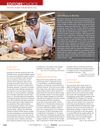
 Human stem cells can aid stroke recovery, research experiences boost students' career aspirations, minoxidil may reduce cancer spread, a molecule can slow tumor growth, a protein affects water flow in cells, magnesium behaves differently at tiny scales, and a new method detects slow-moving objects.
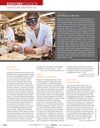 September 2013 in “Science”
 Special astroglia cells improved stroke recovery in rats, a hair growth drug reduced cancer spread, and tiny magnesium structures were more easily shaped.
 June 2026 in “Frontiers in Cell and Developmental Biology”
 LHX2 is crucial for development, tissue repair, and preventing diseases.
1 citations
,
September 2025 in “Physiologia” Ovalbumin–aluminum sensitization causes increased pain sensitivity and nerve changes in mice.
21 citations
,
January 2023 in “International Journal of Molecular Sciences” S100A6 protein is linked to disease progression, especially in cancers.
 10 citations
,
September 2022 in “Cellular and Molecular Life Sciences”
10 citations
,
September 2022 in “Cellular and Molecular Life Sciences” SOX9 is essential for the development of various organs and hair follicles.
 May 2025 in “Frontiers in Immunology”
 Autoimmune diseases with high tissue recovery often relapse and remit, while those with low recovery rarely remit.
 October 2015 in “Regenerative Medicine”
 Two growth factors, PDGF and FGF2, can potentially be used together to grow enough cells for a hair loss treatment, but their exact function on human cells needs further confirmation.
106 citations
,
August 2021 in “Pharmaceuticals” Extracellular vesicles help heal skin wounds and could be used for better treatments.
 6 citations
,
January 2015 in “Journal of regenerative medicine & tissue engineering”
6 citations
,
January 2015 in “Journal of regenerative medicine & tissue engineering” The review concludes that innovations in regenerative medicine, tissue engineering, and developmental biology are essential for effective tissue repair and organ transplants.
110 citations
,
September 2017 in “Molecules” Forsythiae Fructus has anti-inflammatory, antibacterial, and antiviral properties, with differences between unripe and ripe forms important for clinical use.
70 citations
,
April 2020 in “Journal of Molecular Cell Biology” Organoid technology helps create mini-organs for studying diseases and testing drugs.
60 citations
,
December 2020 in “Stem Cell Research & Therapy” ASC-CM is more effective than EV for treating osteoarthritis.
43 citations
,
January 2016 in “Oxidative medicine and cellular longevity” THSG from a Chinese plant helps with aging and related diseases.