22 citations
,
October 2004 in “Journal of Investigative Dermatology” The gene causing hair loss and heart issues in rough coat mice is still unknown.
1 citations
,
January 2015 in “Journal of Dermatology and Venereology” Early hair loss may predict heart disease.
 July 2026 in “Journal of Cutaneous and Aesthetic Surgery”
 Male hair loss is mainly due to androgens, while female hair loss involves hormones, vitamins, and genetics.
May 2023 in “Journal of Cosmetic Dermatology” Androgenetic alopecia is linked to higher cardiovascular and metabolic risks, possibly due to irisin resistance.
January 2019 in “Journal of the Egyptian Women's Dermatologic Society (Print)” People with androgenetic alopecia have a higher risk of heart disease.
4 citations
,
February 2023 in “Research Reports in Clinical Cardiology” Certain genes and high cholesterol levels increase heart disease risk in Ethiopian patients with high blood pressure.
February 2009 in “Journal of the American Academy of Dermatology”  January 2019 in “ISGE series”
 Estrogen helps prevent artery plaque by stopping monocyte capture in blood vessels.
12 citations
,
July 2013 in “Circulation” Improving mitochondrial health may better treat atherosclerosis than antioxidants.
 38 citations
,
February 2009 in “Journal of The European Academy of Dermatology and Venereology”
38 citations
,
February 2009 in “Journal of The European Academy of Dermatology and Venereology” Severe vertex pattern hair loss may indicate a higher risk for artery plaque buildup.
January 2025 in “Dermatologic Therapy” Alopecia areata patients don't have increased atherosclerosis risk, but may have higher cardiovascular risk due to smoking, blood sugar, and blood pressure.
 1 citations
,
July 1997 in “The Lancet”
1 citations
,
July 1997 in “The Lancet” Scientists found a new protein, AMY117, common in Alzheimer's patients, which could be important for treatment and diagnosis.
3 citations
,
July 2024 in “Journal of Clinical Medicine” Alopecia areata patients have a higher risk of subclinical atherosclerosis, and carotid ultrasound can help assess their cardiovascular risk.
27 citations
,
August 2008 in “Mayo Clinic proceedings” Early recognition and treatment of Peripheral Arterial Disease is crucial to improve survival and health outcomes.
7 citations
,
May 1996 in “PubMed” Milia en plaque can be caused by skin damage, tumors, or external factors.

The woman has a scalp condition causing hair loss.
101 citations
,
August 2008 in “Mayo Clinic Proceedings” PAD is common but often missed, needing lifestyle changes and medication for better outcomes.
 24 citations
,
January 2012 in “Journal of Cellular Biochemistry”
24 citations
,
January 2012 in “Journal of Cellular Biochemistry” C-reactive protein helps monocytes stick to blood vessel cells by causing oxidative stress.
 October 2017 in “Indian heart journal”
 Higher levels of small, dense LDL cholesterol are linked to a greater risk of heart attack in young adults.
 January 2017 in “Medeniyet medical journal”
 Early onset baldness may be linked to thicker artery walls.
 3 citations
,
March 2012 in “Actas Dermo-Sifiliográficas”
3 citations
,
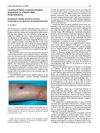
March 2012 in “Actas Dermo-Sifiliográficas” An elderly man with skin amyloidosis and abnormal blood proteins was monitored without finding widespread disease after 18 months.
May 2021 in “Benha Journal of Applied Sciences” Women with androgenic alopecia may have a higher risk of artery problems.
October 1991 in “Archives of Dermatology” The woman has a skin condition involving nodules, scars, and hair loss.
30 citations
,
May 2008 in “International Journal of Dermatology” Lipedematous alopecia causes permanent hair loss due to increased scalp fat.
 2 citations
,
November 2016 in “PubMed”
2 citations
,
November 2016 in “PubMed” People with Lichen Planus have thicker carotid artery walls, but it's not solely due to Lichen Planus when other factors are considered.
 7 citations
,
January 2016 in “Clinical Hemorheology and Microcirculation”
7 citations
,
January 2016 in “Clinical Hemorheology and Microcirculation” AGA patients have higher heart disease risk.

Patients with lichen planopilaris have a higher risk of heart disease.
 63 citations
,
October 1989 in “Journal of The American Academy of Dermatology”
63 citations
,
October 1989 in “Journal of The American Academy of Dermatology” Red, swollen skin patches are a common allergic reaction to heparin injections, and testing with different heparin types can help find a suitable treatment.
 1 citations
,
May 2013 in “Journal of the Egyptian Women's Dermatologic Society (Print)”
1 citations
,
May 2013 in “Journal of the Egyptian Women's Dermatologic Society (Print)” Women with hair loss have higher heart disease risk and unhealthy cholesterol levels.
November 2025 in “Medicina” Alopecia areata may be linked to changes in body fat but not to heart or artery issues.