 October 2023 in “IJEM case reports”
 A 15-year-old girl with no menstrual period was diagnosed with a genetic condition that makes her body unable to respond to male hormones, leading to female characteristics despite having male genetic makeup.
54 citations
,
August 1981 in “British Journal of Dermatology” Alopecia areata is linked to reduced T cell function and auto-immunity.
 14 citations
,
November 2011 in “Journal of The American Academy of Dermatology”
14 citations
,
November 2011 in “Journal of The American Academy of Dermatology” Alopecia Areata Incognita causes widespread hair thinning, and treatment with systemic corticosteroids and psychiatric support can lead to remission.
 43 citations
,
March 2011 in “Journal of psychosomatic research”
43 citations
,
March 2011 in “Journal of psychosomatic research” Kids with alopecia areata may experience more stress but not necessarily feel more anxious or depressed than others.
 April 2020 in “Journal of the Endocrine Society”
 A 14-year-old girl with no menstrual period was diagnosed with Swyer Syndrome and treated for a related cancer risk.
 8 citations
,
June 2012 in “Australasian Journal of Dermatology”
8 citations
,
June 2012 in “Australasian Journal of Dermatology” A rare form of alopecia causes hair thinning without bald spots and may be more common than thought, responding well to steroid treatment.
November 2025 in “Medicina” Alopecia areata may be linked to changes in body fat but not to heart or artery issues.
 October 2022 in “The American journal of gastroenterology”
 Thymoma-associated multiorgan autoimmunity can cause liver damage and affects multiple organs, with limited treatment options and a generally poor prognosis.
April 2011 in “Medical Journal of Tabriz University of Medical Sciences and Health Services” Many patients with Alopecia Areata have underlying autoimmune disorders, especially thyroid issues.
 2 citations
,
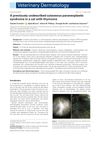
March 2019 in “Veterinary dermatology”
2 citations
,
March 2019 in “Veterinary dermatology” Thymoma in cats can cause hair loss without inflammation.
 1 citations
,
September 2023 in “Journal of drugs in dermatology”
1 citations
,
September 2023 in “Journal of drugs in dermatology” Alopecia areata causes unpredictable hair loss and emotional distress, with no cure and limited treatment options.
November 2023 in “Journal of Investigative Dermatology” Highly active but fewer CD14+CD16- monocytes are found in Alopecia Areata patients, regardless of severity.
 May 2021 in “Journal of the Endocrine Society”
 The 18-year-old girl likely has a condition called müllerian agenesis, which caused her to not have a uterus and experience no menstrual periods.
 5 citations
,
December 1964 in “Australasian journal of dermatology”
5 citations
,
December 1964 in “Australasian journal of dermatology” Congenital atrichia is a rare condition where children are born without hair, and treatment is often ineffective.
 1 citations
,
May 2006 in “Thyroid Research and Practice”
1 citations
,
May 2006 in “Thyroid Research and Practice” Skin can become dry and thick in hypothyroidism.
9 citations
,
January 1975 in “PubMed” Nude mice are hairless due to a shared defect affecting both skin and thymus, not just thymic issues.
 October 2019 in “Academic medicine”
 The medical student learned to balance medical knowledge with empathy when delivering difficult news to patients.
 April 2018 in “Journal of Investigative Dermatology”
 The role of γδT-cells in causing alopecia areata remains unclear.
 April 2025 in “Journal of the Faculty of Medicine Baghdad”
 Alopecia areata patients may have higher T3 and cortisol levels, suggesting a hormonal link.
1 citations
,
November 2025 in “Journal of Health Psychology” Alopecia Areata patients experience higher social appearance anxiety due to visible hair loss.
1 citations
,
November 2010 in “Pediatric dermatology” An 11-month-old girl has no scalp or body hair, and the cause is being studied.
 5 citations
,
January 2012 in “International journal of trichology”
5 citations
,
January 2012 in “International journal of trichology” A 2-year-old boy had no hair and unusual organ placement, and it's unclear if it's genetic or coincidental.
 October 2024 in “Journal of the Endocrine Society”
 Acute illnesses like sepsis can disrupt thyroid hormone balance without central hypothyroidism.
5 citations
,
February 1981 in “Experientia” A new gene causes hairlessness and skin cysts in rats.
12 citations
,
April 2017 in “Experimental and Therapeutic Medicine” Patients with severe active alopecia areata have lower CD200 expression and an imbalance in their immune system.
 30 citations
,
September 2020 in “Journal of Patient-Reported Outcomes”
30 citations
,
September 2020 in “Journal of Patient-Reported Outcomes” Alopecia Areata (AA) causes significant emotional distress, including feelings of embarrassment, depression, and anxiety, and impacts social interactions and daily activities.
 1 citations
,
October 2022 in “international journal of endocrinology and metabolism”
1 citations
,
October 2022 in “international journal of endocrinology and metabolism” People with hypothyroidism and hair loss often have more hair and scalp issues than those without thyroid problems.
16 citations
,
October 2024 in “Journal of Paediatrics and Child Health” Alopecia areata negatively affects the self-esteem and quality of life of children and teens.
5 citations
,
September 2023 in “Clinical Cosmetic and Investigational Dermatology” Patients with Alopecia Areata often have higher anxiety and depression.
July 2019 in “Dermatology practical & conceptual” The study found that alopecia areata is strongly linked to autoimmune diseases and may indicate a genetic predisposition to such conditions.