 3 citations
,
September 2022 in “Animal biotechnology”
3 citations
,
September 2022 in “Animal biotechnology” lncRNA MTC affects protein levels in goat skin cells, impacting hair growth.
January 2022 in “Figshare” lncRNA MTC helps goat skin cells grow and may aid hair growth by controlling proteins linked to cell growth.
1 citations
,
December 2020 in “Medical lasers” The laser therapy device effectively increased hair growth in people with androgenetic alopecia.
2 citations
,
January 2025 in “Naunyn-Schmiedeberg s Archives of Pharmacology” Nanostructured lipid carriers can improve alopecia treatment by enhancing drug delivery and promoting hair growth.
31 citations
,
September 2019 in “Acta Pharmacologica Sinica”  July 2026 in “Zenodo (CERN European Organization for Nuclear Research)”
 The herbal gel improves hair and skin health, is non-irritating, and affordable.
 July 2026 in “Zenodo (CERN European Organization for Nuclear Research)”
 The herbal gel improves hair and skin health, is non-irritating, and affordable.
 November 2023 in “International Journal of Biological Macromolecules”
 The gelatin-based hydrogel helps heal acute and diabetic wounds faster by improving healing conditions.
 1 citations
,
September 2025 in “Scientific Reports”
1 citations
,
September 2025 in “Scientific Reports” The new gel improves treatment of tough skin infections.
16 citations
,
November 2018 in “Medicinal Chemistry” The compound GD-23 may reduce anxiety like diazepam by targeting the TSPO receptor.
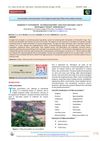 March 2023 in “International journal of pharmaceutical sciences review and research”
 The F2 Emulgel with Tridax procumbens extract showed good physical properties and antimicrobial effectiveness for wound healing.
62 citations
,
November 2022 in “Acta Pharmaceutica Sinica B” The injectable hydrogel effectively speeds up chronic wound healing.
January 2026 in “JPRAS Open” PDLLA scalp injections improved hair regrowth in most patients with non-scarring alopecia.
 12 citations
,
June 2022 in “FARMACIA”
12 citations
,
June 2022 in “FARMACIA” Transethosomal gels improve naftifine skin delivery better than Exoderil cream.
 January 2024 in “International Journal of Trichology”
 Combining microneedling with glycosaminoglycan lotion may improve hair growth in mild androgenetic alopecia.
 October 2024 in “Journal of Advanced Pharmaceutical Technology amp Research”
 Trigonelline nanocrystal cream effectively promotes hair growth and may reduce side effects.
December 2025 in “Materials Technology” The engineered scaffold shows promise for effective skin repair.
September 2020 in “Eureka: Health Sciences” The emulgel with specific ingredients was effective for treating hair loss.
 16 citations
,
November 2019 in “Nanomedicine”
16 citations
,
November 2019 in “Nanomedicine” Thermoresponsive nanogels show promise for delivering medicine through the skin but need more safety testing and regulatory approval before clinical use.
 April 2024 in “Bioactive materials”
 New microneedle treatment with growth factors and a hair loss drug shows better and faster hair growth results than current treatments.
Lavender and tea seed oil in nanostructured carriers effectively promote hair growth.
 57 citations
,
September 2017 in “Journal of controlled release”
57 citations
,
September 2017 in “Journal of controlled release” Nanocarrier-loaded gels improve drug delivery for cancer, skin conditions, and hair loss.
11 citations
,
February 2020 in “Journal of Biomaterials Science Polymer Edition” The new GelMet hydrogel can effectively support skin cell growth for tissue engineering.
January 2026 in “ACS Applied Bio Materials” A new treatment using nanoliposomes can improve hair regrowth in androgenetic alopecia.
 15 citations
,
May 2016 in “Die Pharmazie”
15 citations
,
May 2016 in “Die Pharmazie” Nanostructured lipid carriers deliver lidocaine to the skin better than nanoethosomes.
July 2021 in “MVP journal of medical science” Liquid Nitrogen Cryotherapy effectively treats unresponsive Alopecia Areata with minimal side effects.
The treatment showed promising results in improving advanced-stage hair loss.
 February 2024 in “International Journal For Multidisciplinary Research”
 Nanostructured lipid carriers are effective for treating hyperpigmentation in women aged 30-40.
Lavender and tea seed oil in nanostructured carriers boost hair growth better than a commercial product.
 9 citations
,
December 2024 in “Nano Research”
9 citations
,
December 2024 in “Nano Research” A protein-based hydrogel helps heal diabetic wounds and repair nerves.