 April 2023 in “The journal of investigative dermatology/Journal of investigative dermatology”
 Too much IKZF1 and Ikaros protein may cause alopecia areata.
1 citations
,
May 2023 in “The Journal of Dermatology” Allergen-specific immunotherapy can significantly improve hair loss and dermatitis symptoms in severe cases.
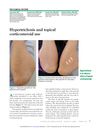 February 2022 in “Cleveland Clinic Journal of Medicine”
 Prolonged use of topical corticosteroids can cause excessive hair growth.
5 citations
,
January 2016 in “Indian dermatology online journal” A 25-year-old man with multiple skin tumors was successfully treated with acitretin and methotrexate.
 October 2021 in “Meditsinskiy sovet = Medical Council”
 Cyproterone acetate improves skin symptoms and quality of life in women with androgen-related issues.
15 citations
,
July 2009 in “Biomedical Chromatography” A reliable method was developed to measure aristolochic acid-I in rat blood.
February 2025 in “Diagnostics” Most patients improved in both atopic dermatitis and alopecia areata with certain treatments, but some had worsened symptoms, suggesting personalized care is needed.
 February 2025 in “Revista Eletrônica Acervo Saúde”
 Triamcinolone hexacetonide is effective but has side effects, while PRP and minoxidil are safer alternatives for treating alopecia areata.
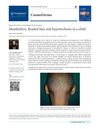 January 2026 in “Cosmoderma”
 A 9-year-old girl has a rare hair disorder causing beaded, sparse hair.
6 citations
,
January 2008 in “Indian Journal of Dermatology” Monilethrix, a genetic hair disorder causing fragile hair, affects three generations in a family.
July 2026 in “JDDG Journal der Deutschen Dermatologischen Gesellschaft” Alopecia areata affects about 0.21% of people in Germany, with 70,000 new cases in 2020.
 12 citations
,
September 2020 in “Journal of cosmetic dermatology”
12 citations
,
September 2020 in “Journal of cosmetic dermatology” Trichoscopy is useful for diagnosing and monitoring alopecia areata treatment.
 March 2025 in “Experimental Dermatology”
 Overexpression of IKZF1 and Ikaros causes hair loss in mice similar to alopecia areata.
 January 1988 in “Inpharma (Balgowlah)”
 New retinoids are effective for various skin conditions and are being developed to have fewer side effects.
May 2018 in “Dermatologic Surgery” July 2022 in “Journal of Investigative Dermatology” Arg1+ macrophages may play a role in Alopecia Areata, offering new treatment targets.
4 citations
,
August 2006 in “The Journal of Dermatology” HLA can be linked to autoimmune hepatitis.
2 citations
,
September 2019 in “Neurology Neuroimmunology & Neuroinflammation” IVIg treatment improved symptoms but caused permanent dark hair loss.
 March 2024 in “Dermatology and therapy”
 AA patients with comorbid conditions face more severe hair loss and need specific treatments.
9 citations
,
January 2015 in “Veterinary record case reports” A dog in Germany was successfully treated for a rare bacterial infection without spreading it to humans.
 January 2025 in “Clinical Dermatology Review”
 Trichoscopy helps accurately diagnose Netherton syndrome, often mistaken for atopic dermatitis.
July 2017 in “OPAL (Open@LaTrobe) (La Trobe University)” High-throughput LC-MS screening is effective for finding new autotaxin inhibitors for asthma treatment.
 March 2024 in “International Journal of Dermatology”
 Baricitinib improved nail condition and hair regrowth in a patient with alopecia and nail abnormalities.
 July 2023 in “Institutional Repositories DataBase (IRDB)”
 Malassezia species may contribute to hair loss in AGA patients.
 February 2010 in “Journal of The American Academy of Dermatology”
 Alopecia areata has different forms and can significantly affect quality of life, especially in more severe cases.
100 citations
,
July 2006 in “British Journal of Dermatology” Triamcinolone acetonide injections help hair regrow quickly in mild alopecia but not in severe cases.

Early diagnosis and lifelong zinc supplementation are crucial for treating acrodermatitis enteropathica effectively.
5 citations
,
October 2024 in “Reumatismo” Upadacitinib significantly improved alopecia universalis and psoriatic arthritis in a patient.
 December 2024 in “Archiv Euromedica”
 Trichoscopy is essential for diagnosing and treating autoimmune cicatricial alopecia early.

Screening for iron levels in patients with hair loss may help find a genetic iron overload condition early.