 September 2024 in “Journal of Cosmetic Dermatology”
 Combining CGF and microneedling with betamethasone effectively treats resistant alopecia areata.
 8 citations
,
January 2012 in “Dermatology Research and Practice”
8 citations
,
January 2012 in “Dermatology Research and Practice” New subcision technique with a bent needle and syringe improves ease, effectiveness, and comfort for treating acne scars.
 June 2026 in “bioRxiv (Cold Spring Harbor Laboratory)”
 Controlled microtrauma can help skin heal with hair growth instead of scars.
 September 2023 in “Journal of the American Academy of Dermatology”
 PRP's benefits for treating scarring hair loss are still uncertain.
 October 2014 in “Aktuelle Dermatologie”
 Older men with scalp wounds had long-term healing problems after using imiquimod or diclofenac for skin cancer prevention.
 August 2022 in “Research Square (Research Square)”
 Implanted special stem cells from hair follicles helped heal wounds faster and with less scarring in mice.
 1 citations
,
March 2022 in “PubMed”
1 citations
,
March 2022 in “PubMed” Platelet-rich plasma can help treat scarring hair loss caused by Discoid Lupus Erythematosus.
 6 citations
,
March 1996 in “The American Journal of Cosmetic Surgery”
6 citations
,
March 1996 in “The American Journal of Cosmetic Surgery” A new hair transplant method creates one appealing scar, uses donor hair better, and speeds up surgery.
3 citations
,
January 2020 in “Journal of Cutaneous and Aesthetic Surgery” A new treatment using skin and hair cells may help heal stubborn leg ulcers effectively and safely.
 June 2025 in “Journal of Cosmetic Dermatology”
 Exosome therapy with laser treatment helped hair regrowth in a child with a rare skin condition.
 July 2026 in “Applied Sciences”
 Excimer laser therapy can help regrow hair in alopecia areata but is less effective for severe cases and has mixed results for cicatricial alopecia.
10 citations
,
December 2011 in “PubMed” Methotrexate effectively managed SAPHO syndrome symptoms when other treatments failed.
21 citations
,
October 2007 in “Journal of Investigative Dermatology” Fetuin-A helps wounds heal without scars by promoting cell movement.
 April 2023 in “The Egyptian Journal of Hospital Medicine”
 Injecting platelet-rich plasma is a safe and effective way to improve different types of post-burn scars.
February 2023 in “Al-Azhar International Medical Journal /Al-Azhar International Medical Journal” Microneedling with triamcinolone is a safe, effective, and less painful treatment for alopecia areata.
5 citations
,
November 2023 in “Journal of Investigative Dermatology” Microthermal wounds heal with less scarring due to delayed collagen production and minimal inflammation.
June 2018 in “Dermatologic Surgery” May 2022 in “Голова и шея.” Immature hypertrophic scars on the head and neck have more inflammation and TGF-β, affecting treatment choices.
1 citations
,
January 2010 Redistributing existing hair is the best solution for scalp alopecia.
 December 2025 in “Cureus”
 Avoiding friction and using topical treatments can significantly improve rough skin caused by repeated rubbing.
 January 2024 in “Dermatologic therapy”
 AKN is a chronic scalp condition in African-descended males, treated with topicals, antibiotics, steroids, and sometimes surgery or laser.
 March 2022 in “The Journal of Family Practice”
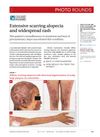
 Following treatment plans is crucial to prevent worsening skin and hair conditions.
29 citations
,
September 2019 in “Stem Cells International” The PRF/micrograft spray-on skin method effectively healed massive and chronic burns quickly.
 February 2018 in “Journal of dermatology & cosmetology”
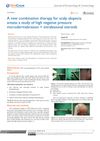
 Combining microdermabrasion with steroid injections improves hair regrowth in scalp alopecia areata.
 March 2024 in “Authorea (Authorea)”
 Using lyopreserved umbilical tissue allograft may improve healing and reduce recurrence of pilonidal cysts.
 1 citations
,
November 2023 in “International Journal of Dermatology”
1 citations
,
November 2023 in “International Journal of Dermatology” Topical calcineurin inhibitors might be safer than steroids for scarring alopecia, but more research is needed.
11 citations
,
January 1988 in “PubMed” Epidermal cell extracts improve skin healing and reduce scarring.
 January 2014 in “Journal of Cutaneous and Aesthetic Surgery”
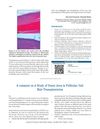
 The document suggests that for better patient satisfaction in hair transplants, high-quality photos are needed, and using a narrow donor strip might lead to fewer grafts and dissatisfaction, but filling the scar with FUE grafts and using tranexamic acid can improve results.
 2 citations
,
September 2022 in “Cytotherapy”
2 citations
,
September 2022 in “Cytotherapy” Fat-derived stem cells show promise for treating skin issues and improving wound healing, but more research is needed to confirm the best way to use them.
October 2015 in “CRC Press eBooks” Follicular transplantation is effective for treating hair loss and eyebrow alopecia.