 1 citations
,
August 2023 in “Diagnostics”
1 citations
,
August 2023 in “Diagnostics” Women with PCOS are more likely to develop kidney stones, especially those with certain PCOS types.
 1 citations
,
January 2023 in “Metabolites”
1 citations
,
January 2023 in “Metabolites” Changes in gut bacteria can contribute to the development of Polycystic Ovary Syndrome (PCOS), affecting metabolism, immunity, and causing inflammation. Treatments may involve adjusting these factors.
1 citations
,
August 2022 in “Veterinary medicine and science” The main prostate diseases in dogs are benign growth, infections, and cancer, with various treatments ranging from drugs to surgery, but cancer treatments have limited success.
 August 2026 in “Journal of Genome Biotechnology and Genetics”
 Human pigmentation is influenced by many genetic and environmental factors, affecting traits like skin, hair, and eye color, with implications for health and forensic applications.
 April 2026 in “Pharmaceutics”
 Cellulose-based skin dressings show promise for wound healing but need more research and clinical trials.
 April 2026 in “Nanomaterials”
 Plant-derived vesicles from Ayurvedic plants may improve treatment delivery for hair growth and other conditions.

Polydopamine is promising for personalized medicine and biomedical technology due to its strong adhesion and biocompatibility.
 February 2026 in “Materials”
 Hops can reduce skin irritation and are effective in cosmetics.
 February 2026 in “International Journal of Molecular Sciences”
 Combining hyperthermia with natural compounds and conventional treatments improves cancer therapy effectiveness and reduces side effects.
January 2026 in “Pharmaceutics” Extracellular vesicles can worsen Alzheimer's but also offer potential for diagnosis and treatment.
January 2026 in “JDDG Journal der Deutschen Dermatologischen Gesellschaft” Deep-learning models can effectively diagnose and assess Alopecia areata using scalp images.
January 2026 in “Journal of Clinical Medicine” Improving diet and lifestyle can help manage skin conditions linked to insulin resistance and inflammation.
December 2025 in “Rare Metals” Smart biomaterials and dressings show promise in treating chronic skin diseases by improving drug delivery and minimizing side effects.
November 2025 in “Journal of Natural Fibers” Human hair waste can be valuable in engineering and materials due to its unique properties.
October 2025 in “Burns & Trauma” Engineered probiotics can help heal wounds faster, especially in diabetic foot ulcers.
October 2025 in “Bioactive Materials” Combining traditional Chinese medicine with microneedles shows promise for effectively treating skin diseases with fewer side effects.
 August 2025 in “International Journal of Nanomedicine”
 Metal-organic frameworks can help heal wounds, reduce scars, and promote hair growth, but more research is needed.
August 2025 in “Frontiers in Endocrinology” Biochemical markers help diagnose ovarian tumors in postmenopausal women.
 July 2025 in “World Journal of Stem Cells”
 Stem cell-derived exosomes could be a promising new treatment for hair regrowth.
 June 2025 in “Journal of Cluster Science”
 Metal nanoparticles show promise for treating hair loss but need more research to ensure safety.
 January 2025 in “Journal of Clinical Medicine”
 PCOS is the most common cause of hirsutism, and personalized treatment is important.
 January 2025 in “Advanced Materials Interfaces”
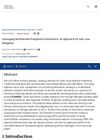
 Tannic acid can reduce hair loss by 56.2% by coating hair and releasing beneficial molecules.
 June 2024 in “International Journal of Nanomedicine”
 CRISPR/Cas9 has improved precision and control but still faces clinical challenges.
 May 2024 in “BMC veterinary research”
 Metabolites and diet affect hair growth cycles in cashmere goats.
March 2024 in “Cosmetics” New regenerative techniques show promise for improving skin, healing wounds, and growing hair.
 February 2024 in “Journal of Molecular Structure”
 The new minoxidil and salicylic acid hydrogel improves alopecia treatment.
 January 2024 in “Authorea (Authorea)”
 Nanomaterials can significantly improve wound healing and future treatments may include smart, real-time monitoring.
 October 2023 in “Cell & bioscience”
 A special gene region controls the re-emergence of a primitive wool type in Merino sheep, improving their wool yield and adaptability.
 October 2023 in “Biomaterials”
 Nanotechnology could improve hair regrowth but faces challenges like complexity and safety concerns.
 September 2023 in “Nature Communications”
 Rare genetic variants in five specific genes are linked to male-pattern hair loss but only account for a small part of the risk.