 2 citations
,
July 2014 in “Our Dermatology Online”
2 citations
,
July 2014 in “Our Dermatology Online” Contact immunotherapy can cause vitiligo in patients with autoimmune conditions.
15 citations
,
November 2015 in “International Journal of Dermatology” Keratin 14 may be an autoantigen in autoimmune skin diseases.
 26 citations
,
June 2018 in “The journal of immunology/The Journal of immunology”
26 citations
,
June 2018 in “The journal of immunology/The Journal of immunology” AIRE-deficient rats developed severe autoimmune disease similar to APECED, useful for testing treatments.
10 citations
,
April 2003 in “Clinical neurology and neurosurgery” Autoimmune polyglandular syndrome can cause temporary brain issues that may improve on their own.
27 citations
,
January 2011 in “Dermatology Research and Practice” Nonsegmental vitiligo is caused by the immune system attacking skin cells, often linked to other autoimmune diseases.
6 citations
,
May 2013 in “The Journal of Dermatology” Autoimmune reactions may cause both alopecia areata and HAM.
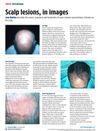 January 2015 in “Independent Nurse”
 Different scalp conditions can lead to hair loss or tumors, with treatments varying from creams to surgery; early detection is crucial.
 27 citations
,
April 2018 in “Journal of autoimmunity”
27 citations
,
April 2018 in “Journal of autoimmunity” iNKT cells can help prevent and treat alopecia areata by promoting hair regrowth.
10 citations
,
April 2020 in “Journal of Mind and Medical Sciences” Excimer laser therapy can be an alternative for treating superficial morphea when topical steroids don't work.
 7 citations
,
April 1987 in “International Journal of Dermatology”
7 citations
,
April 1987 in “International Journal of Dermatology” Stopping imipramine reduced the woman's hair loss.
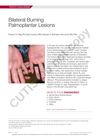
The woman was diagnosed with lichen sclerosus, a rare skin condition, after initial misdiagnosis and ineffective treatments.

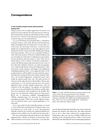
Tofacitinib significantly improved symptoms in a patient with overlapping autoimmune disorders.

Tofacitinib significantly improved hair loss and lesions in a patient with overlapping autoimmune disorders.
 11 citations
,
July 2008 in “International Journal of Dermatology”
11 citations
,
July 2008 in “International Journal of Dermatology” Greying hairs may be protected from alopecia areata.
 3 citations
,
May 2023 in “Frontiers in immunology”
3 citations
,
May 2023 in “Frontiers in immunology” Faulty inflammasome activation may lead to autoimmune skin diseases and could be a target for new treatments.
 May 2025 in “The Journal of Rheumatology”
 Anifrolumab may help improve symptoms in patients with overlapping autoimmune diseases.

γδTregs may help treat autoimmune diseases like alopecia areata by promoting hair regrowth and reducing immune attacks.
 September 2022 in “Journal of Ayub Medical College Abbottabad”
 Steroid injections are more effective than platelet rich plasma for treating patchy hair loss.
14 citations
,
July 2007 in “Lupus” Multiple pregnancies prevent skin disease but worsen kidney disease in certain mice.
 21 citations
,
February 2012 in “Journal of the European Academy of Dermatology and Venereology”
21 citations
,
February 2012 in “Journal of the European Academy of Dermatology and Venereology” Late-onset alopecia areata in Taiwanese patients is more common in women, usually starts at age 57, often involves less than 10% hair loss, and may have a minimal link to thyroid issues.
6 citations
,
December 2021 in “Journal of Clinical Medicine” LiPADI is a useful tool for monitoring the severity and treatment of lichen planus.
June 2026 in “IECCMEXICO” Skin changes can indicate underlying health issues like diabetes or thyroid problems.

Certain skin and family history markers predict vitiligo severity and treatment needs.

Scalp lesions in discoid lupus are more common in women and linked to other autoimmune diseases.
 May 2014 in “La Revue de médecine interne”
 Early detection and treatment of primary biliary cirrhosis and related autoimmune diseases improve outcomes.
 January 2007 in “Journal of The American Academy of Dermatology”
 Propylthiouracil, a thyroid medication, can cause skin blood clots and immune-related blood vessel inflammation.
35 citations
,
February 1993 in “International Journal of Dermatology” Cosmetic procedures can trigger pemphigus, an autoimmune disease.
 23 citations
,
July 1982 in “International Journal of Dermatology”
23 citations
,
July 1982 in “International Journal of Dermatology” The review concludes that accurate diagnosis of different types of hair loss requires proper biopsy techniques and understanding the hair growth cycle and underlying causes.

CD28 is a promising target for treating alopecia areata with belatacept.

CD28 is a promising target for treating alopecia areata with belatacept.