 March 2014 in “Journal of The American Academy of Dermatology”
 Azathioprine may be an effective treatment for severe hair loss.

Baricitinib helped treat a man's beard hair loss when steroids didn't work.
 August 2023 in “Dermatology reports”
 A baby with maple syrup urine disease improved from skin problems by adjusting his diet to correct amino acid levels.
 1 citations
,
September 2023 in “Dermatology and Therapy”
1 citations
,
September 2023 in “Dermatology and Therapy” Baricitinib helps improve hair growth in severe alopecia, with better results in less severe cases and higher doses working faster.
September 2015 in “Photodiagnosis and Photodynamic Therapy” April 2016 in “The journal of investigative dermatology/Journal of investigative dermatology” Laminin-511 is involved in psoriasis development and can be regulated by cannabinoid receptor type 1.
 January 2025 in “Acta Dermatovenerologica Alpina Pannonica et Adriatica”
 Baricitinib is effective and safe for treating severe alopecia areata.
12 citations
,
December 2023 in “Plant Communications” ADF8 and ADF11 help root hairs grow longer at high pH.
 March 2026 in “Clinical Cosmetic and Investigational Dermatology”
 Upadacitinib improved multiple immune-related conditions in one patient.
26 citations
,
September 2009 in “Clinical genetics” Arab APS1 patients have unique and recurrent AIRE gene mutations.
69 citations
,
January 2021 in “Journal of Biological Chemistry” Plant-derived amino acids can help develop new antimicrobial drugs.
5 citations
,
January 2015 in “Molecular Genetics and Metabolism”  September 2023 in “Drugs in context”
 Baricitinib is a promising treatment for alopecia areata.
December 2025 in “Pharmaceutics” Araliadiol may help reduce skin aging and inflammation without killing cells.
 September 2025 in “Tạp chí Da liễu học Việt Nam”
 2.5 mg/mL TAC is as effective and safe as 5 mg/mL, but 5 mg/mL may improve hair regrowth and density more.
2 citations
,
May 2023 in “The Journal of Immunology” NXC736 significantly reduced hair loss in mice with alopecia areata.
December 2025 in “PubMed” Baricitinib is effective and safe for treating severe alopecia areata.
49 citations
,
February 2022 in “Drug Design Development and Therapy” Ritlecitinib shows promise for hair regrowth in alopecia areata patients.
 January 2024 in “American journal of clinical dermatology”
 Ritlecitinib is safe and well-tolerated for treating alopecia areata in patients aged 12 and older.
25 citations
,
November 1994 in “The Journal of Dermatologic Surgery and Oncology” Acetone is not more effective than other degreasers and is more flammable.
 1 citations
,
November 2019 in “The Korea Journal of Herbology”
1 citations
,
November 2019 in “The Korea Journal of Herbology” The herbal mixture RAA promotes hair growth and could be an alternative treatment for hair loss.
 September 2023 in “Plant journal”
 A protein called GIS3 is important for the growth of root hairs in Arabidopsis by controlling two genes with the help of certain growth signals.
5 citations
,
September 2019 in “The Open biomarkers journal” Linoleic acid (Vitamin F) can help protect against the harmful effects of acrylamide.
 April 2024 in “JEADV clinical practice”
 Upadacitinib significantly improved both rheumatoid arthritis and alopecia areata in a patient.
Baricitinib works better than methotrexate for severe alopecia areata.
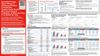 November 2025 in “SKIN The Journal of Cutaneous Medicine”
 Baricitinib works better in adolescents than adults for treating severe alopecia areata.
 July 2025 in “Journal of Cosmetic Dermatology”
 Triamcinolone is more effective than methotrexate for treating localized alopecia areata.
Thai plant extracts, especially Avicennia marina, can promote hair growth by inhibiting certain enzymes and boosting growth factors.
 May 2026 in “Zenodo (CERN European Organization for Nuclear Research)”
 The serum with microneedling effectively treats alopecia areata by enhancing drug delivery and is safe and patient-friendly.
 1 citations
,
April 2019 in “The journal of investigative dermatology/Journal of investigative dermatology”
1 citations
,
April 2019 in “The journal of investigative dermatology/Journal of investigative dermatology” Melanocyte-associated antigens may play a key role in alopecia areata and could be targets for new treatments.