October 2025 in “Journal of the Endocrine Society” Anastrozole can cause increased testosterone, leading to symptoms like hair growth and thinning.
November 2023 in “SKIN The Journal of Cutaneous Medicine” Ritlecitinib effectively maintains hair regrowth in alopecia areata patients.
 2 citations
,
January 2020 in “Acta dermatovenerologica Alpina, Pannonica et Adriatica (Tiskana izd.)”
2 citations
,
January 2020 in “Acta dermatovenerologica Alpina, Pannonica et Adriatica (Tiskana izd.)” The drug Albendazole, used for treating parasites, can cause sudden hair loss.
 May 1993 in “Drugs & Therapy Perspectives”
 Formestane is a preferred second-line treatment for advanced breast cancer in postmenopausal women because it's effective and has fewer side effects.
 65 citations
,
November 2004 in “Journal of the American Academy of Dermatology”
65 citations
,
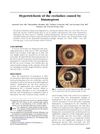
November 2004 in “Journal of the American Academy of Dermatology” Bimatoprost can cause excessive eyelash growth.
 20 citations
,
March 2020 in “Journal of Asthma”
20 citations
,
March 2020 in “Journal of Asthma” Older adults can also get asthma.
15 citations
,
December 2019 in “European Journal of Dermatology” Low-dose tofacitinib is effective and cheaper for severe alopecia areata.
September 2023 in “Journal of the American Academy of Dermatology” CTP-543 is generally safe for treating alopecia areata.
 March 2022 in “Nepal Journal of Dermatology Venereology & Leprology”
 Methotrexate with steroids is slightly more effective than azathioprine with steroids for treating severe alopecia areata.
August 2017 in “Journal of the Dermatology Nurses' Association” Latisse (bimatoprost 0.03%) is widely used in dermatology but the document doesn't give detailed evidence or numbers.
 9 citations
,
May 2012 in “British Journal of Dermatology”
9 citations
,
May 2012 in “British Journal of Dermatology” Reversing female hair loss.
19 citations
,
August 2023 in “Journal of Dermatological Treatment” Abrocitinib may effectively treat stubborn alopecia universalis.
June 2023 in “Value in Health” Alopecia areata treatments often cause headaches and infections, highlighting the need for safer options.
January 2017 in “The American Pharmacists Association eBooks” January 2017 in “The American Pharmacists Association eBooks” January 2026 in “Clinical and Experimental Dermatology” Ruxolitinib helped a patient with alopecia areata regrow hair.
 1 citations
,
September 2025 in “Clinical Cosmetic and Investigational Dermatology”
1 citations
,
September 2025 in “Clinical Cosmetic and Investigational Dermatology” Upadacitinib is effective and safe for treating severe Alopecia Areata in adolescents.
February 2025 in “Skin Appendage Disorders” Upadacitinib helps most people with alopecia regrow hair quickly and is generally safe.
Azathioprine can cause severe hair loss and low white blood cell count in lupus patients.
 19 citations
,
March 2003 in “Journal of Investigative Dermatology”
19 citations
,
March 2003 in “Journal of Investigative Dermatology” Mechlorethamine treatment regrew hair in mice by killing immune cells causing hair loss without harming hair follicles.
5 citations
,
May 2024 in “Journal of Allergy and Clinical Immunology Global” Upadacitinib effectively improved severe atopic dermatitis and alopecia universalis in a 29-year-old man.
1 citations
,
September 2023 in “Journal of the American Academy of Dermatology” Mini pulse corticosteroid therapy with oral dexamethasone is effective and has fewer side effects for treating extensive alopecia areata.
23 citations
,
October 2024 in “British Journal of Dermatology” Ritlecitinib effectively treats alopecia areata and is safe for long-term use in people 12 and older.
Dutasteride may become the top choice for treating hair loss.
27 citations
,
October 2020 in “Drugs” Clascoterone cream was approved in the USA for treating acne in people aged 12 and older.
 9 citations
,
November 2017 in “Journal of Glaucoma”
9 citations
,
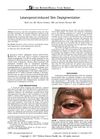
November 2017 in “Journal of Glaucoma” Latanoprost eye drops may cause skin depigmentation.
 16 citations
,
March 2016 in “Clinical ophthalmology”
16 citations
,
March 2016 in “Clinical ophthalmology” Bimatoprost is safe and improves eyelash growth in healthy kids but not in those with eyelash loss from chemotherapy or alopecia.
 October 2025 in “Open Repository of the University of Porto (University of Porto)”
 Dutasteride is more effective than finasteride for hair growth, and sublingual apomorphine quickly improves Parkinson's symptoms.
9 citations
,
September 2010 in “Dermatologic therapy” Combining cetirizine and topical steroids can effectively manage severe lichen planus pilaris.