2 citations
,
October 2025 in “ACS Infectious Diseases” The microbiome helps reduce inflammation after infections, but how it does this is not fully understood.
The study identified a key protein involved in producing underarm odor and found ways to inhibit it.
September 2017 in “The journal of investigative dermatology/Journal of investigative dermatology” EGFR inhibitors cause skin issues and hair loss by weakening skin defenses, suggesting antibiotics and targeted treatments can help.
238 citations
,
December 2022 in “Frontiers in Public Health” Combining ciprofloxacin with other treatments may improve its effectiveness against resistant bacteria.
 129 citations
,
November 2005 in “Internal Medicine Journal”
129 citations
,
November 2005 in “Internal Medicine Journal” Early detection and intensive treatment of diseases caused by Staphylococcus aureus toxins are crucial for reducing severe health effects.
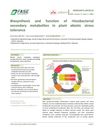 November 2025 in “Frontiers of Agricultural Science and Engineering”
 Rhizobacterial strain RT3 helps lettuce survive drought by producing protective substances like proline.
January 2025 in “SSRN Electronic Journal” The hydrogel speeds up wound healing by fighting infections and supporting tissue repair.
October 2004 in “Emergency Medicine News” Carbuncles and other skin infections need specific treatments, and preventing nasal colonization can stop recurring infections.
November 2025 in “ACS Nano” The microreactor effectively fights antibiotic-resistant infections and promotes tissue healing.
2 citations
,
July 2025 in “Chemical Engineering Journal” The hydrogel dressing effectively treats infected wounds by combining infection control and tissue regeneration.

Enterococcus faecalis delays wound healing by disrupting cell functions and creating an anti-inflammatory environment.
6 citations
,
July 2021 in “International Wound Journal” The biofilm-dispersing wound gel helps wounds heal faster and prevents infection.
 44 citations
,
March 2020 in “Antibiotics”
44 citations
,
March 2020 in “Antibiotics” Rosemary extracts with carnosic acid and carnosol can reduce the harmfulness of Staphylococcus aureus without stopping its growth.
 134 citations
,
January 2019 in “American journal of clinical dermatology”
134 citations
,
January 2019 in “American journal of clinical dermatology” Antibiotics can reduce acne but may lead to resistant bacteria, and understanding the skin's bacteria is important for treatment.
 1 citations
,
April 2023 in “International Journal of Molecular Sciences”
1 citations
,
April 2023 in “International Journal of Molecular Sciences” Botryococcus terribilis Ethanol Extract may reduce inflammation by changing gene expression in cells.
4 citations
,
April 2022 in “Microorganisms” Povidone iodine reduced skin bacteria more than chlorhexidine gluconate, but neither met FDA reduction standards.
1 citations
,
July 2025 in “Barrier Immunity” A holistic approach is crucial for treating skin disorders and restoring barrier function.
1 citations
,
May 2022 in “European Journal of Dermatology” Longer treatment with vismodegib lowers relapse risk in basal cell carcinoma.
60 citations
,
September 2023 in “Science” BTNL proteins help control inflammatory bowel disease by maintaining specific immune cells.
17 citations
,
December 1951 in “Experimental biology and medicine” Vitamin B12 and aureomycin can reverse or reduce cortisone's negative effects on body and hair growth in rats.
1 citations
,
July 1990 in “European Journal of Pharmacology” July 2024 in “Journal of Investigative Dermatology” ATR04-484 ointment shows promise for treating skin issues from cancer therapies.
7 citations
,
December 2024 in “Antibiotics” Cathelicidins could treat skin issues but face challenges like safety and resistance.
 2 citations
,
January 2023 in “Bioresource Technology Reports”
2 citations
,
January 2023 in “Bioresource Technology Reports” Enzymes can release hydrocarbons from Botryococcus braunii without harming cells, suggesting potential for continuous extraction.
 43 citations
,
October 1955 in “The journal of nutrition/The Journal of nutrition”
43 citations
,
October 1955 in “The journal of nutrition/The Journal of nutrition” Germ-free rats need biotin for growth and have different vitamin metabolism compared to regular rats.
 April 2018 in “Journal of Investigative Dermatology”
 Aging reduces skin cell renewal and defense against germs due to TGFbeta, but blocking TGFbeta could help restore these functions.
 January 2024 in “International Journal of Advanced Biochemistry Research”
 Staphylococcus in dogs with skin infections is most sensitive to Linezolid.
 37 citations
,
September 2003 in “Journal of Medicinal Chemistry”
37 citations
,
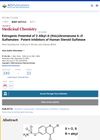
September 2003 in “Journal of Medicinal Chemistry” A substance called Compound 2g can strongly block STS (a hormone-related enzyme) without affecting estrogen levels, making it potentially good for treating breast cancer.
 January 2019 in “Advances in Environmental Biology”
 Propionibacterium acnes contributes to acne and antibiotic resistance, needing new treatments.
2 citations
,
September 2024 in “Animal Cells and Systems” Hepatitis B virus alters steroid hormones in male mice, reducing dihydrotestosterone to inhibit viral replication.