 June 2024 in “Archives of Medical Science”
 Telitacicept effectively improved hair regrowth in a woman with lupus and alopecia.
 June 2024 in “Military medicine”
 JAK inhibitors like baricitinib and ritlecitinib are effective new treatments for severe alopecia areata.
June 2024 in “Military Medicine” Access to JAK inhibitors for alopecia areata should be improved in the Military Healthcare System.
Baricitinib shows promise for treating alopecia areata with mild side effects.
May 2024 in “Drugs & Therapy Perspectives” New treatments like JAK inhibitors offer hope for better alopecia areata management.
 April 2024 in “Expert opinion on investigational drugs”
 JAK inhibitors are safe and effective for treating moderate-to-severe alopecia areata.
 February 2024 in “Australasian journal of dermatology”
 Janus kinase inhibitors may help treat lichen planopilaris.
 February 2024 in “PloS one”
 Tofacitinib and adalimumab are promising treatments for cicatricial alopecia with few side effects.
 January 2024 in “JEADV clinical practice”
 The study helps doctors use patient images to understand and apply SALT scores for treating severe alopecia areata.
January 2024 in “Physiotherapia Croatica” New treatments like JAK inhibitors offer hope for hair regrowth in severe alopecia areata.
New drugs, baricitinib and ritlecitinib, are effective for severe alopecia areata.
Combining baricitinib with golimumab helped regrow hair in a patient with ankylosing spondylitis and alopecia areata.
 December 2023 in “Journal of Ayub Medical College Abbottabad”
 Ritlecitinib effectively treats alopecia areata in patients 12 and older with fewer side effects.
 November 2023 in “Aktualʹnì problemi sučasnoï medicini”
 The guidelines suggest using various treatments, including antidepressants and steroids, for alopecia areata and discuss the condition's genetic and immune aspects.
 November 2023 in “Research Portal Denmark”
 Baricitinib shows promise for severe alopecia areata but isn't a cure and has side effects.
 November 2023 in “The journal of investigative dermatology/Journal of investigative dermatology”
 The study developed a mouse model for Alopecia Areata that responds to treatment, useful for future research.
 November 2023 in “The journal of investigative dermatology/Journal of investigative dermatology”
 Cancer treatment drugs can cause permanent hair loss by damaging hair follicle stem cells, but a specific inhibitor might reverse this effect.
November 2023 in “Journal of Investigative Dermatology” JAK inhibitors are effective and generally safe for treating alopecia areata, but monitoring for side effects is important.
 October 2023 in “The Cochrane library”
 The medicine baricitinib was found to notably improve hair regrowth in alopecia areata, but more research is needed on its side effects and other treatments.
 October 2023 in “International journal of rheumatic diseases”
 New treatments targeting the JAK signaling pathway, especially JAK inhibitors, show promise for alopecia areata.
 August 2023 in “International journal of research in dermatology”
 Janus kinase inhibitors are effective and generally safe for treating hair loss in adults with alopecia areata.
 June 2023 in “Fundamental & clinical pharmacology”
 JAK inhibitors help treat some diseases but may increase risks of blood clots and cancer in certain patients.
 June 2023 in “British journal of dermatology/British journal of dermatology, Supplement”
 Patients with alopecia areata face challenges accessing Janus kinase inhibitors, but some see positive results.
 May 2023 in “The journal of investigative dermatology/Journal of investigative dermatology”
 A potential treatment for atopic dermatitis could be to increase PADI1 expression to improve skin barrier function.
 May 2023 in “Journal of managed care & specialty pharmacy”
 Alopecia areata causes hair loss and life quality issues; current treatments are often unsatisfactory, but new drugs like JAK inhibitors show promise.
 September 2022 in “Plastic and Reconstructive Surgery”
 Baricitinib helps with severe hair loss, negative-pressure therapy lowers hernia recurrence, tranexamic acid reduces bleeding, robot-assisted breast surgery may improve outcomes, and acellular dermal matrix could decrease breast reconstruction complications.
 September 2022 in “Hair transplant forum international”
 JAK inhibitors like baricitinib are a new FDA-approved treatment for alopecia areata, but safety data is incomplete.
 August 2022 in “Nature Biotechnology”
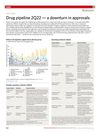
 Drug approvals slowed in 2Q22, but notable drugs like Amvuttra, Camzyos, and Olumiant were approved.
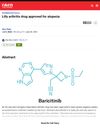 June 2022 in “C&EN global enterprise”
 The drug Olumiant is now approved to treat severe hair loss from alopecia and can also be used for some hospitalized COVID-19 patients.

Self-monitoring blood pressure in pregnant women didn't improve outcomes, diabetes drugs may increase gallbladder disease risk, a new drug helps severe hair loss, a plant-based COVID-19 vaccine is 69.5% effective, and new anticoagulants are safer for diabetics with heart rhythm issues than warfarin.