2 citations
,
May 2024 in “Australasian Journal of Dermatology” Early diagnosis, innovative treatments, and considering systemic conditions are crucial in dermatological care.
 September 2025 in “Australasian Journal of Dermatology”
 New medications could improve treatment for severe alopecia areata in Australia.
 6 citations
,
November 2022 in “Journal of autoimmunity”
6 citations
,
November 2022 in “Journal of autoimmunity” JAK inhibitors like tofacitinib may effectively treat Alopecia Areata.
1 citations
,
June 2023 in “Cosmoderma” Trichoscopy is better than the hair pull test for tracking alopecia areata.
 26 citations
,
October 2016 in “Case Reports in Dermatology”
26 citations
,
October 2016 in “Case Reports in Dermatology” A man with severe hair loss saw hair and nail improvement after 10 months on tofacitinib without side effects.
 41 citations
,
December 2015 in “JAMA Dermatology”
41 citations
,
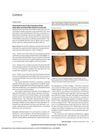
December 2015 in “JAMA Dermatology” Tofacitinib citrate improved nail dystrophy and pain in patients with alopecia universalis without causing side effects.
 3 citations
,
January 2021 in “Journal of The American Academy of Dermatology”
3 citations
,
January 2021 in “Journal of The American Academy of Dermatology” Different types of atopic dermatitis were linked to specific genetic and immune changes, suggesting that severe cases might need stronger immune-targeting treatments.
 June 2021 in “Journal of The American Academy of Dermatology”
 The "spade sign" is a highly specific indicator for diagnosing acne keloidalis.
A 16-year-old girl with lupus symptoms improved with treatment despite negative ANA tests.
Baricitinib may not always prevent relapse in alopecia areata.
New drugs, baricitinib and ritlecitinib, are effective for severe alopecia areata.
January 2026 in “Dermatologic Therapy” Higher RBP4 levels are linked to severe alopecia areata, but genetic variant rs3758539 doesn't affect baricitinib response.
13 citations
,
February 2017 in “Clinical rheumatology” Tofacitinib may help treat nail dystrophy, especially when other treatments fail.
 2 citations
,
April 2017 in “Journal of Investigative Dermatology”
2 citations
,
April 2017 in “Journal of Investigative Dermatology” Tofacitinib helped over half of the patients with severe hair loss regrow at least 50% of their hair.
 May 2025 in “JEADV Clinical Practice”
 Tofacitinib and methotrexate successfully treated a woman's severe skin, joint, and hair loss issues.
2 citations
,
July 2025 in “Journal of Health Population and Nutrition” Improving diet may help manage sleep disorders.
 November 2025 in “Clinical Cosmetic and Investigational Dermatology”
 Tattoos may trigger autoimmune symptoms in some people.
February 2023 in “Suez Canal University Medical Journal” Lower survivin levels in blood are linked to more severe and progressing alopecia areata.
Patients with acute and subacute skin lupus respond faster to belimumab than those with chronic skin lupus.
20 citations
,
November 2017 in “JAAD case reports” Ustekinumab significantly improved psoriasis, vitiligo, and alopecia areata in a patient.

The patch effectively promotes hair growth for alopecia areata without pain.
 January 2018 in “Turkiye Klinikleri Journal of Medical Sciences”
 Alopecia areata treatment should consider life quality and mental health, not just clinical results.
 9 citations
,
October 2019 in “Dermatologic Therapy”
9 citations
,
October 2019 in “Dermatologic Therapy” Oral tofacitinib has a moderate success rate and is generally safe for treating hair loss in some patients.
 17 citations
,
January 2022 in “Annals of Dermatology”
17 citations
,
January 2022 in “Annals of Dermatology” Severe pediatric alopecia areata worsens quality of life for patients and families.
 April 2016 in “Journal of The American Academy of Dermatology”
 Ixekizumab is effective and safe for patients who did not improve with etanercept treatment for psoriasis.
6 citations
,
February 2023 in “Lara D. Veeken” Satoyoshi syndrome is likely an autoimmune disease.
August 2022 in “Journal of Investigative Dermatology” Baricitinib reduces inflammation and mitochondrial damage in skin cells.
 April 2024 in “Journal of asthma and allergy”
 Abrocitinib effectively treated severe atopic dermatitis and mild alopecia areata in a 12-year-old boy after dupilumab failed.
 March 2023 in “Photodiagnosis and Photodynamic Therapy”
 Low vitamin D levels are linked to severe and active alopecia areata.
 8 citations
,
October 2022 in “Dermatology practical & conceptual”
8 citations
,
October 2022 in “Dermatology practical & conceptual” Tofacitinib and ruxolitinib are effective and safe for treating various autoimmune skin and joint disorders.