 1 citations
,
January 2024 in “Scientific reports (Nature Publishing Group)”
1 citations
,
January 2024 in “Scientific reports (Nature Publishing Group)” Human hair was used to make biodegradable plastic films that could be useful for packaging and disposable products.
November 2025 in “Journal of Natural Fibers” Human hair waste can be valuable in engineering and materials due to its unique properties.
January 2026 in “Eng—Advances in Engineering” Berry extracts improve fabric strength and flexibility, making it suitable for medical and cosmetic uses.
 January 2025 in “International Journal of Molecular Biology and Biochemistry”
 The Shindai method effectively extracts keratin from human hair, with potential uses in bioplastics and biofertilizers.
8 citations
,
September 2024 in “International Journal of Molecular Sciences” Polymers can be designed to mimic natural cell environments for medical uses.
6 citations
,
April 2025 in “Frontiers in Sustainable Food Systems” Transforming vegetable waste into valuable ingredients can support sustainability and economic growth.
 30 citations
,
June 2024 in “Scientific Reports”
30 citations
,
June 2024 in “Scientific Reports” The hydrogel shows promise for wound healing due to its strong mechanical, antimicrobial, and antioxidant properties.
 March 2024 in “International Journal of Drug Delivery Technology”
 Electrospun nanofiber mats are effective drug carriers for improving wound healing.
 17 citations
,
August 2024 in “Discover Nano”
17 citations
,
August 2024 in “Discover Nano” Polyesters show promise for repairing damaged blood vessels.
 3 citations
,
January 2021 in “ScienceAsia”
3 citations
,
January 2021 in “ScienceAsia” Using an enzyme and keratin treatment can significantly repair and strengthen damaged hair.
 2 citations
,
January 2015 in “Elsevier eBooks”
2 citations
,
January 2015 in “Elsevier eBooks” The document says biodegradable cosmetics and packaging are better for the environment and user experience.
 May 2026 in “Discover Chemistry.”
 Bio-degradable polymers can replace petroleum plastics using eco-friendly methods for a sustainable future.
 December 2022 in “theses.fr (ABES)”
 Microplastics in the Lebanese Mediterranean carry harmful pollutants, posing environmental and health risks.
 August 2024 in “Siberian Journal of Life Sciences and Agriculture”
 Melatonin and lyotritone improve hair growth and quality in white rats.
September 2025 in “Chemical Engineering Journal” A new sustainable polyester is tough, recyclable, biodegradable, and aids wound healing, supporting a circular economy.
49 citations
,
January 2024 in “Regenerative Biomaterials” The new nanofiber patch speeds up diabetic wound healing and improves healing quality.
25 citations
,
November 2022 in “Frontiers in Bioengineering and Biotechnology” Composite biodegradable biomaterials can improve diabetic wound healing but need more development for clinical use.
15 citations
,
November 2024 in “Materials” PHAs are promising biodegradable materials for medical and dental uses.
5 citations
,
December 2023 in “Materials” Organic and biogenic nanocarriers can improve drug delivery but face challenges like consistency and safety.
 2 citations
,
June 2023 in “Pharmaceutics”
2 citations
,
June 2023 in “Pharmaceutics” Nanofiber scaffolds help wounds heal by delivering drugs directly to the injury site.

Plant-based compounds can improve wound dressings and skin medication delivery.
298 citations
,
June 2019 in “Marine Drugs” Chitosan is a sustainable, versatile ingredient in cosmetics, enhancing skin hydration and anti-aging while promoting eco-friendly practices.
89 citations
,
January 2021 in “Molecules” Biopolymeric composites need advanced properties for better use in medicine and healing.
15 citations
,
April 2023 in “Biology” Plant and algal lipid droplets are promising for natural oil production but need better extraction methods.
6 citations
,
July 2025 in “Pharmaceuticals” Marine biomaterials show promise for drug delivery and wound healing.
5 citations
,
May 2025 in “Pharmaceutics” Sericin from silk cocoons could be a promising drug delivery tool, but stability and consistency need improvement.
 July 2026 in “Pharmaceuticals”
 Marine-derived polysaccharide nanofibers could improve wound healing but face challenges in becoming widely used.
August 2025 in “Biomolecules” CBD may help with skin and hair issues, but more research is needed.
25 citations
,
March 2024 in “Sustainability” Using food industry waste and fermentation can create sustainable cosmetics.
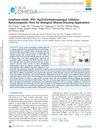 22 citations
,
September 2019 in “ACS omega”
22 citations
,
September 2019 in “ACS omega” The new nanocomposite films are stronger, protect against UV, speed up wound healing, and are antibacterial without being toxic.