 1 citations
,
September 2023 in “Research Square (Research Square)”
1 citations
,
September 2023 in “Research Square (Research Square)” The new method improves bone repair by enhancing cell loading and stability in bioprinted scaffolds.
 September 2025 in “Institutional Repositories DataBase (IRDB)”
 Lactic acid bacteria fermentation can turn waste into valuable skincare ingredients.
 5 citations
,
August 2025 in “Drug Delivery and Translational Research”
5 citations
,
August 2025 in “Drug Delivery and Translational Research” Lipid-polymer hybrid nanoparticles show promise for skin treatments but need better formulation strategies.
28 citations
,
November 2020 in “Polymers” Crosslinked gelatin sponges show promise as skin substitutes for wound treatment.
 22 citations
,
September 2019 in “ACS omega”
22 citations
,
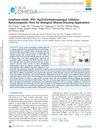
September 2019 in “ACS omega” The new nanocomposite films are stronger, protect against UV, speed up wound healing, and are antibacterial without being toxic.
22 citations
,
November 2024 in “Bioactive Materials” 3D bioprinting with special hydrogels helps heal wounds and grow new blood vessels.
 February 2024 in “International Journal of Biological Macromolecules”
 The study created a new type of microsphere that effectively regrows hair.
118 citations
,
January 2013 in “Biomaterials” Keratin from human hair shows promise for medical uses like wound healing and tissue engineering.

Peptide hydrogels show promise for healing skin, bone, and nerves but need improvement in stability and compatibility.
 April 2026 in “Pharmaceutics”
 Cellulose-based skin dressings show promise for wound healing but need more research and clinical trials.
177 citations
,
April 2008 in “Biomedical Materials” Human hair proteins can be used to create scaffolds that support cell growth for tissue engineering.
3 citations
,
October 2023 in “Bioscience Biotechnology and Biochemistry” Salmon nasal cartilage proteoglycan may help hair grow.
 June 2024 in “Synthetic and systems biotechnology”
 A fragment of human type XVII collagen shows great potential for skin health and wound healing.
 48 citations
,
April 2024 in “Nature Communications”
48 citations
,
April 2024 in “Nature Communications” The new method improves bone repair by enhancing cell loading and stability in bioprinted scaffolds.
85 citations
,
August 2021 in “Materials & Design” Encapsulated probiotics can improve medical treatments by better delivering and protecting probiotics in the body.
3 citations
,
December 2021 in “IntechOpen eBooks” Bionanomaterials from natural sources show promise in improving wound healing and tissue regeneration.
11 citations
,
January 2024 in “Regenerative Biomaterials” A new 3D-printed hydrogel scaffold helps regenerate corneas and prevent scarring.
 March 2024 in “International journal of nanomedicine”
 Polymeric nanohydrogels show potential for skin drug delivery but have concerns like toxicity and regulatory hurdles.
12 citations
,
September 2023 in “Polymers” The hydrogel speeds up skin wound healing effectively.
 12 citations
,
January 2018 in “Biomaterials Science”
12 citations
,
January 2018 in “Biomaterials Science” Softer hydrogel surfaces help maintain hair growth-related functions in skin cells.
 September 2018 in “Facial Plastic Surgery Clinics of North America”
 Biologicals are increasingly used in medicine and cosmetics, especially for skin and hair treatments, but more research is needed.
 August 2023 in “Processes”
 Fermenting Dendrobium officinale with Lactobacillus reuteri CCFM8631 increases its skin care benefits.
18 citations
,
January 2024 in “Regenerative Biomaterials” The hydrogel helps heal diabetic wounds by reducing infection and inflammation.
 October 2017 in “The Japanese Biochemical Society/The Molecular Biology Society of Japan”
 Some natural compounds might help hair grow.
March 2024 in “Journal of pharmacy & pharmaceutical sciences” Polymeric microneedles offer a less invasive, long-lasting drug delivery method that improves patient compliance and reduces side effects.
 11 citations
,
May 2018 in “Philosophical Transactions of the Royal Society B”
11 citations
,
May 2018 in “Philosophical Transactions of the Royal Society B” New materials help control stem cell growth and specialization for medical applications.
March 2026 in “Chemical Engineering Journal” The hydrogel helps heal diabetic wounds by combining antibacterial, antioxidant, and immune-boosting effects.
24 citations
,
January 2023 in “International Journal of Nanomedicine” Biomembrane-based hydrogels can effectively promote chronic wound healing.
1 citations
,
April 2023 in “Scientific Reports” Self-assembling RADA16-I hydrogels with bioactive peptides significantly improve wound healing.

Rice bran polysaccharides have potential uses in food, health, and cosmetics due to their beneficial bioactive properties.