 2 citations
,
November 2014 in “The journal of investigative dermatology/Journal of investigative dermatology”
2 citations
,
November 2014 in “The journal of investigative dermatology/Journal of investigative dermatology” Oral tofacitinib can treat both psoriasis and alopecia universalis by normalizing inflammatory pathways.
November 2025 in “ACS Omega” Teak leaf extract may help hair growth and reduce inflammation safely.
114 citations
,
February 2023 in “International Journal of Molecular Sciences” The skin microbiome is crucial for skin health, and more research is needed to explore its role and potential treatments.
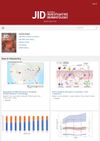 November 2022 in “Journal of Investigative Dermatology”
 Low oxygen levels affect the behavior of certain proteins in human skin cells.
109 citations
,
January 1997 in “Journal of Experimental Botany” Root hair growth is influenced by bacteria signals, cytoskeleton organization, and genetic factors.
 March 2026 in “Voprosy dermatologii i venerologii/Dermatologiâ ža̋ne veneralogiâ ma̋selelerì”
 Dermatophytes, like Trichophyton rubrum, can cause allergies and chronic inflammation.
March 2026 in “ACS Omega” The hydrogel significantly speeds up wound healing and improves skin recovery.
August 2024 in “Food Bioscience” Bifidobacterium longum BB536 metabolites may help treat hair loss by repairing and promoting hair cell growth.
 41 citations
,
January 2011 in “Nippon Ishinkin Gakkai Zasshi”
41 citations
,
January 2011 in “Nippon Ishinkin Gakkai Zasshi” Tinea incognito in Iran commonly affects adults and mimics other skin conditions.
2 citations
,
February 2021 in “IOP Conference Series Earth and Environmental Science” Mangkokan leaf contains various beneficial compounds like alkaloids, flavonoids, and steroids.
December 2021 in “OPAL (Open@LaTrobe) (La Trobe University)” BBS7 is crucial for maintaining healthy periodontal ligaments by supporting Shh signaling.
 April 2011 in “The FASEB Journal”
 Aralia continentalis root extract may help with hair growth.
 February 2024 in “Trends in Sciences”
 Store Tectona grandis leaf extracts in slightly acidic, light-protected conditions for best stability.
November 2025 in “Dermato” The skin microbiome is crucial for skin health and new treatments like probiotics can improve skin conditions.
3 citations
,
July 2018 in “DergiPark (Istanbul University)” Medicinal plants in European Turkey are used to treat skin issues like hemorrhoids, hair loss, burns, acne, and injuries.
December 2025 in “Zenodo (CERN European Organization for Nuclear Research)” Ayurvedic treatment successfully managed alopecia areata without side effects.
 June 2026 in “Cell Regeneration”
 The olfactory epithelium can regenerate throughout life, aided by specific cells, genes, and new research methods.
July 2022 in “Zenodo (CERN European Organization for Nuclear Research)” July 2025 in “Journal of Investigative Dermatology” Researchers created long-lasting, diverse skin organoids from mouse hair follicle stem cells, useful for studying skin.
 August 2025 in “Frontiers in Pharmacology”
 [6]-Gingerdiol 3-monoacetate shows promise for treating T. whipplei infections.
April 2023 in “Journal of Investigative Dermatology” IL-17 plays a key role in severe hair loss in chronic alopecia areata.
December 2024 in “Food Bioscience” Limosilactobacillus fermentum MF10 helps hair grow by activating certain cell signals in mice.

Scalp psoriasis inflammation is mainly caused by bacteria-related triggers.
 August 2023 in “Processes”
 Fermenting Dendrobium officinale with Lactobacillus reuteri CCFM8631 increases its skin care benefits.
2 citations
,
January 2019 in “Acta dermato-venereologica” 14 citations
,
July 2021 in “Bioscience Reports” Activating Tgr5 may help treat hair loss and bone loss.
 July 2024 in “Advancements in Life Sciences”
 Fungal infections are the most common skin disease in cats, especially white ones.
 17 citations
,
April 2015 in “Tropical Journal of Pharmaceutical Research”
17 citations
,
April 2015 in “Tropical Journal of Pharmaceutical Research” Asiasari Radix et Rhizoma is safe and has potential for new drug development due to its therapeutic properties.
 3 citations
,
April 2022 in “Microorganisms”
3 citations
,
April 2022 in “Microorganisms” People with severe hair loss (Alopecia Areata) have different scalp bacteria than healthy people, which might help predict the condition's progress.
May 2022 in “Journal of Cutaneous Immunology and Allergy” Asymptomatic cats can spread scalp infections to humans.