 July 2025 in “Dermatology and Therapy”
 Patients with fewer past treatments for alopecia areata respond better to baricitinib.
 12 citations
,
November 2003 in “Journal of the American Academy of Dermatology”
12 citations
,
November 2003 in “Journal of the American Academy of Dermatology” Topical diphencyprone helped regrow hair in mice and rats with a condition similar to human hair loss.
147 citations
,
August 2005 in “The Plant Cell” The TIP1 gene is crucial for normal plant cell growth in Arabidopsis.
May 2010 in “Europe PMC (PubMed Central)” Near-infrared probes can safely and effectively image cysteine protease activity for disease diagnosis.
6 citations
,
May 2022 in “Journal of Organometallic Chemistry” The process efficiently converts α-pinene oxide to campholenic aldehyde using a special catalyst, achieving high yields quickly.
January 2010 in “Journal of Animal Science” Transcutaneous vaccination using nanoparticles can enhance immune responses and reduce basal cell carcinomas.
Burdock has potential for new pharmaceutical products due to its medicinal properties.
14 citations
,
August 2014 in “Journal of the American Academy of Dermatology” Diphenylcyclopropenone (DPCP) is effective in treating alopecia areata, with most patients showing significant hair regrowth.
1 citations
,
August 2020 Croton membranaceus root extract can change how drugs are processed in the body.
 January 1988 in “Chemical and Pharmaceutical Bulletin”
 IND-Ca ointment effectively reduces inflammation with minimal skin irritation.
41 citations
,
November 2015 in “The journal of investigative dermatology. Symposium proceedings/The Journal of investigative dermatology symposium proceedings” Diphenylcyclopropenone (DPCP) can help regrow hair in many alopecia areata patients but may cause side effects and relapses.
8 citations
,
August 2022 in “Pharmaceutics” Erythrocyte-anchored nanoparticles improved Cepharanthine delivery and effectiveness for treating acute lung injury.
CDPDFM can improve acne symptoms in rabbit ears.
33 citations
,
May 2017 in “Journal of Clinical Oncology” ETC-159 was safe up to 30 mg, but no tumor shrinkage was seen.
June 2026 in “International Journal of Research in Medical Sciences” Baricitinib is safer than methotrexate for treating severe alopecia areata.
9 citations
,
September 2019 in “Clinical Cosmetic and Investigational Dermatology” Cal/BD aerosol foam effectively treats scalp psoriasis, improving symptoms and patient satisfaction.
 10 citations
,
January 2018 in “Postępy Dermatologii i Alergologii”
10 citations
,
January 2018 in “Postępy Dermatologii i Alergologii” Treating alopecia areata every 3 weeks with diphenylcyclopropenone is more effective than weekly treatments.
 1 citations
,
December 2022 in “The Nishinihon Journal of Dermatology”
1 citations
,
December 2022 in “The Nishinihon Journal of Dermatology” Baricitinib is an effective treatment for severe alopecia areata.
9 citations
,
November 2013 in “Journal of Investigative Dermatology” Overexpressing CtBP1 in skin cells causes skin and hair problems.
June 2026 in “Drugs & Therapy Perspectives” Baricitinib improves quality of life and reduces anxiety and depression in severe alopecia areata patients.
 1 citations
,
October 2023 in “Clinical, cosmetic and investigational dermatology”
1 citations
,
October 2023 in “Clinical, cosmetic and investigational dermatology” Tofacitinib improved hair loss and skin symptoms in a patient after secukinumab caused hair loss.
October 2024 in “The American Journal of Gastroenterology” Upadacitinib improved both Crohn's ileitis and alopecia universalis in a patient.
88 citations
,
July 2009 in “Experimental and Clinical Endocrinology & Diabetes” November 2025 in “Cochrane Database of Systematic Reviews” Cyproterone acetate works similarly to other treatments for hirsutism, but more research is needed.
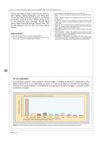
The document corrects a mistake by stating that pimecrolimus, not tacrolimus, is the drug that concentrates in the skin.
 November 2023 in “JEADV Clinical Practice”
 Patients with severe alopecia areata felt better and less anxious or depressed when treated with baricitinib compared to placebo.
 August 2025 in “Scientific Reports”
 C4BPA protein may link acne severity and insulin resistance.
August 2025 in “Skin Appendage Disorders” TCM is an effective and safe treatment for primary cicatricial alopecias.
27 citations
,
January 2016 in “Cellular Physiology and Biochemistry” Bidens pilosa L. extract effectively treats androgen deficiency dry eye in rats.
May 2026 in “Carbohydrate Polymer Technologies and Applications” The formulation effectively promotes hair growth with low systemic exposure.