5 citations
,
December 2024 in “Bioengineering” Modified stem cell medium improves healing in diabetic wounds.
 December 2025 in “Medical Sciences”
 Regenerative therapies show promise for hair regrowth, but more research and standardization are needed.
105 citations
,
December 2017 in “Journal of Biological Engineering” Artificial skin grafts face immune rejection, but stem cells may improve future designs.
44 citations
,
July 2020 in “Stem Cell Research & Therapy” Epidermal stem cells show promise for skin repair and regeneration.
22 citations
,
March 2023 in “Bioengineering” Stem cell therapies may help improve symptoms and quality of life for people with epidermolysis bullosa.
5 citations
,
November 2024 in “Biomedicine & Pharmacotherapy” The chitosan-peptide system helps cartilage regeneration using fat-derived cells.
5 citations
,
July 2023 in “Frontiers in Veterinary Science” Combining PRP and MSCs improves skin healing and structure.
August 2024 in “International Journal of Molecular Sciences” Mesenchymal Stem Cell therapy shows promise for treating hair loss in Alopecia Areata.
 May 2023 in “International Journal of Molecular Sciences”
 Mesenchymal stem cells could help treat radiation-induced bladder damage but more research is needed to overcome current limitations.
January 2026 in “Advances in Clinical and Experimental Medicine” Regulatory T cells and mesenchymal stem cells work together to prevent immune system overreactions and tissue damage.
11 citations
,
July 2012 in “Experimental dermatology” Innate immunity genes in hair follicle stem cells might have new roles beyond traditional immune functions.
5 citations
,
March 2019 in “Quantitative Imaging in Medicine and Surgery” Endoscopic imaging can improve tracking of stem cells in the body.
1 citations
,
February 2020 in “Regenerative Medicine” Significant progress and collaborations in stem cell research and regenerative medicine were made, including advancements in hair growth, cancer therapies, and treatments for neurological disorders.
13 citations
,
September 2014 in “BMC Complementary and Alternative Medicine” Tanshinone IIA helps protect skin tissue from low oxygen damage by boosting certain cell markers.
 12 citations
,
January 2021 in “Journal of Investigative Dermatology”
12 citations
,
January 2021 in “Journal of Investigative Dermatology” Hair follicle studies suggest that maintaining telomere length could help treat hair loss and graying, but it's uncertain if mouse results apply to humans.
7 citations
,
March 2025 in “Free Radical Biology and Medicine” Imbalanced redox dynamics cause skin aging by damaging fibroblasts and stem cells.
7 citations
,
May 2022 in “Frontiers in Cell and Developmental Biology” Epigenetic and metabolic changes affect stem cell function and aging in skin.
 3 citations
,
April 2022 in “Frontiers in Physiology”
3 citations
,
April 2022 in “Frontiers in Physiology” Ptch2 plays a key role in controlling stem cell function and the ability to regenerate after birth.
May 2026 in “Science Advances” Caloric stress and differentiation increase IRES translation, affecting stem cell function and potential therapies.
56 citations
,
January 2023 in “Genes & Diseases” Repurposing existing drugs and using micronutrients may effectively target cancer stem cells and improve cancer treatment.
 May 2026 in “Discover Oncology”
 Targeting LGR4 may help treat cancer by reducing cancer stem cell traits and drug resistance.
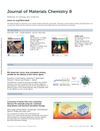 January 2016 in “Journal of Materials Chemistry B”
 Advancements in biomaterials and nanotechnology are improving medical applications like hair growth, bone regeneration, and cancer treatment.
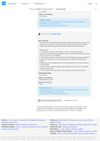
The reviewers suggest clarifying the abstract, adding background on inflammation's effect on stem cells and cancer, discussing immune cells' role in tumors, and considering inflammation's potential to reduce cancer growth.
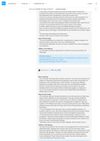
The reviewers suggest clarifying and expanding on the role of inflammation in stem cell-related cancer development.
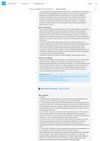
The revised study on how inflammation affects cancer stem cells was accepted after improving clarity and structure.

The revised manuscript on how inflammation affects cancer stem cells was accepted after addressing issues with clarity and detail.

The reviewers suggest major revisions for clarity and inclusion of recent findings on inflammation's role in cancer.

Reviewers suggest clarifying the abstract, adding background on inflammation's effect on cancer, discussing immune cell roles, including counter studies, and correcting grammar.
The reviewers found the manuscript on inflammation's role in cancer stem cells to be relevant but suggested it needs clarity, more background information, discussion on immune cells' role in tumors, updated references, and grammar corrections.
11 citations
,
November 2023 in “Journal of Functional Biomaterials” The ALGCS/GO30 scaffold effectively boosts mouse spermatogonial stem cell growth.