 12 citations
,
June 2020 in “Frontiers in Cell and Developmental Biology”
12 citations
,
June 2020 in “Frontiers in Cell and Developmental Biology” The PP2A-B55α protein is essential for brain and skin development in embryos.
 November 2020 in “Journal of The American Academy of Dermatology”
 The conclusion is that many small genetic variations influence claw disorders in cows, and using genomic selection could help reduce these disorders.
3 citations
,
April 2025 in “International Journal of Pharmaceutics” Nanocrystals improve alopecia areata treatment by better targeting hair follicles.
9 citations
,
December 2023 in “Materials Today Bio” Multibranch carboxyl-modified cellulose is a safe and effective material for stopping bleeding.
24 citations
,
July 2014 in “Journal of Investigative Dermatology” Nagashima-type palmoplantar keratosis in Asians is caused by a SERPINB7 gene mutation.
July 2008 in “VTechWorks (Virginia Tech)” PrPC is important for neural differentiation in cattle and mouse embryonic stem cells.
November 2020 in “Journal of animal science/Journal of animal science ... and ASAS reference compendium” Certain genetic variants in PRLR and PCCA genes may lead to shorter hair in cattle, which could help with heat tolerance.
7 citations
,
September 1991 in “Journal of Andrology” 4‐MAPC reduces rat prostate weight and prostatein levels.
 1 citations
,
February 2014 in “Archiv Der Pharmazie”
1 citations
,
February 2014 in “Archiv Der Pharmazie” Carbamates may help treat androgen-dependent conditions by changing how certain lipid enzymes are produced.
 August 2019 in “Journal of Invertebrate Pathology”
 Thymosin beta 4 protects cells from damage by blocking a harmful microRNA and boosting a protective gene.
 2 citations
,
February 2004 in “Biopolymers”
2 citations
,
February 2004 in “Biopolymers” 4-(4-Phenoxybenzoyl)benzoic acid derivatives can both increase and decrease certain types of reactive oxygen species, and may be relevant to hair loss.
3 citations
,
October 2013 in “International Journal of Rheumatic Diseases” A young woman with severe symptoms of CPAN improved with intensive treatment but needed a leg amputation.
Polyglutamic acid is a valuable, sustainable ingredient for skincare and haircare products.
 3 citations
,
September 2019 in “Clinical and experimental dermatology”
3 citations
,
September 2019 in “Clinical and experimental dermatology” Basal cell carcinomas may differentiate similarly to hair follicles and could be influenced by hair cycle-related treatments.
12 citations
,
June 2015 in “Dermatology Reports” Middle-aged women in Iran are most affected by primary cicatricial alopecia, especially discoid lupus erythematous.
4 citations
,
May 2023 in “Cells” Baricitinib and its combination with lonafarnib improve fat cell formation in certain genetic disorders.
5 citations
,
September 2013 in “BMB Reports” BMPR1a-ECD reduces wrinkles much more effectively than retinoic acid.
75 citations
,
September 2016 in “EMBO journal” PRC2 is essential for maintaining intestinal cell balance and aiding regeneration after damage.
 May 2026 in “Frontiers in Immunology”
 Bimekizumab effectively treats scalp cellulitis and improves quality of life.
 March 2026 in “Collagen and Leather”
 The hydrogel speeds up wound healing and fights bacteria, making it great for emergency use.
 6 citations
,
May 2022 in “Research and reports in urology”
6 citations
,
May 2022 in “Research and reports in urology” Caesalpinia bonduc seed extracts may help treat enlarged prostate in rats.
4 citations
,
November 2024 in “Journal of Advanced Research” Targeting NMMHC IIA may help treat blood-brain barrier damage.
 July 2021 in “Clinical case reports and studies”
 Topical diphencyprone effectively treated a 9-year-old boy's alopecia areata with fewer side effects.
 June 2024 in “Synthetic and systems biotechnology”
 A fragment of human type XVII collagen shows great potential for skin health and wound healing.
March 2026 in “ACS Omega” The hydrogel significantly speeds up wound healing and improves skin recovery.
15 citations
,
July 2022 in “Nano Research” A cholesterol-free liposomal platform using protopanaxadiol effectively promotes hair growth and treats alopecia.
December 2024 in “Biochemical and Biophysical Research Communications” LMWP-PDGFA shows promise for improving hair health and treating hair loss with fewer side effects.
September 2023 in “Journal of the American Academy of Dermatology” Bullous pemphigoid can look like erythema multiforme, so awareness is needed for proper treatment.
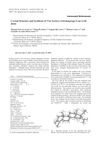 August 2002 in “Analytical Sciences”
 The document concludes that a compound with potential for treating prostate cancer and hair loss was successfully made and its detailed structure was confirmed.
5 citations
,
March 2025 in “Tissue Engineering and Regenerative Medicine”