 9 citations
,
December 1981 in “International Journal of Dermatology”
9 citations
,
December 1981 in “International Journal of Dermatology” The document concludes that early diagnosis is key for treating common baldness in women, but reassurance is often the best approach as hair thinning can be a normal part of aging.
 July 2019 in “Acta Scientiae Veterinariae”
 Removing a testicular tumor in a dog reduced its aggressive behavior and skin problems.
 3 citations
,
January 2012 in “Internal Medicine”
3 citations
,
January 2012 in “Internal Medicine” A Rathke's cleft cyst caused hormonal imbalances and symptoms in a 68-year-old woman.
 3 citations
,
January 2007 in “Elsevier eBooks”
3 citations
,
January 2007 in “Elsevier eBooks” The document concludes that individualized treatment and lifestyle changes are important for managing menopause symptoms and health risks.
 2 citations
,
November 2012 in “InTech eBooks”
2 citations
,
November 2012 in “InTech eBooks” The document concludes that sex hormones are crucial for mammalian reproduction, health, and behavior, and require more research for therapeutic use.
 48 citations
,
February 2013 in “Molecular and Cellular Endocrinology”
48 citations
,
February 2013 in “Molecular and Cellular Endocrinology” The protein StAR is found in 17 different organs and can affect hair loss and brain functions, but its full role is not yet fully understood.
3 citations
,
June 2025 in “Biomedicines” Gut bacteria may influence hair loss in alopecia areata.
Gut bacteria may affect hair loss in people with celiac disease.
August 2024 in “Nutrients” Probiotics help reduce hair loss and increase hair growth in people with androgenic alopecia.
 March 2024 in “Bioactive Materials”
 New treatment using engineered nanovesicles in hydrogel improves hair growth by repairing hair follicle cells in a mouse model of hair loss.
3 citations
,
April 2025 in “International Journal of Molecular Sciences” TSG from Polygonum multiflorum may help with anti-aging by protecting the brain, heart, bones, and hair.
 February 2024 in “Biomedical journal of scientific & technical research”
 Inositol and phytic acid together increase hair growth and density.
9 citations
,
April 2024 in “Heliyon” Probiotics may help with hair growth and dandruff, but more research is needed.
19 citations
,
June 2020 in “General and comparative endocrinology” Hair cortisol is a reliable stress indicator in cattle but may not be valid for pigs.
 December 2024 in “Molecules”
 Bovine milk-derived exosomes may improve skin, hair, gut, brain, and bone health.
Hair proteins in preschool children and their mothers could indicate developmental changes and health status.
 August 2023 in “Medicina-lithuania”
 Abusing steroids can damage your heart, muscles, reproductive system, liver, skin, and brain, and may increase the risk of Alzheimer's disease.
296 citations
,
October 2018 in “General and Comparative Endocrinology” Hair cortisol is a reliable way to measure long-term stress in animals.
November 2025 in “Cosmetics” Autologous Micrografting Technology effectively improves hair growth and is a safe, promising option for hair restoration.
59 citations
,
February 2019 in “BMC Genomics” Hair length in rabbits is linked to differences in lipid metabolism and cell death.
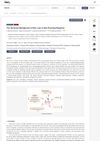 February 2024 in “Biomedicines”
 Hormones like androgens, estrogen, thyroid hormones, and stress hormones can contribute to hair loss, and treatments target these hormonal imbalances.
 August 2024 in “Frontiers in Pharmacology”
 Antibody treatments show promise for hair loss but need more research.
2 citations
,
May 2023 in “International Journal of Molecular Sciences” Gene expression in hair follicles can help diagnose methamphetamine use disorder.
12 citations
,
June 2022 in “International Journal of Molecular Sciences” Copper boosts cell growth in rabbit hair follicles.
3 citations
,
June 2024 in “International Journal of Molecular Sciences” Prolactin affects skin health and may lead to new treatments for skin and hair issues.
11 citations
,
April 2023 in “Skin Health and Disease” Psychological stress can worsen skin conditions like psoriasis and acne.
November 2025 in “Dermato” The skin microbiome is crucial for skin health and new treatments like probiotics can improve skin conditions.
November 2025 in “Biomedicines” Targeting pyroptosis may offer new treatments for alopecia areata, but more research is needed.
27 citations
,
February 2023 in “Frontiers in Cell and Developmental Biology” WNT10B is important for body functions and linked to diseases like osteoporosis, obesity, and cancer.
19 citations
,
August 2024 in “Journal of Translational Medicine” Epidermal stem cells are vital for skin healing and have potential for treating skin disorders.