 January 2025 in “Dermatology Research and Practice”
 The treatment effectively repairs and strengthens damaged hair by restoring natural lipids.

Intermittent fasting slows hair growth by damaging hair follicle cells.
December 2024 in “Frontiers in Surgery” Waxing and epilation might help wound healing, but more research is needed.
 September 2024 in “Heliyon”
 Repeated hair dyeing significantly damages hair.

Meis2 is essential for touch sensation and proper nerve connection to touch receptors in certain skin areas of mice.
 February 2024 in “Journal of Robotic Surgery”
 The document concludes that surgical robots improve surgery and recovery but are costly and can stress surgeons due to less patient contact.
Human hair can almost fully recover its structure within about 1,000 minutes after being stretched.
 September 2023 in “International Journal of Trichology”
 Adipose-derived stem cells may help with hair loss, but more research is needed.
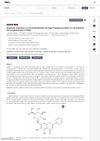
Enzymatic synthesis improved the water solubility of the flavonoid baicalin, which may help treat hair loss conditions.
 January 2022 in “Sustainable development goals series”
 The document concludes that significant investment in agricultural innovation is necessary to achieve global food security and nutrition.

Rice bran polysaccharides have potential uses in food, health, and cosmetics due to their beneficial bioactive properties.
 January 2017 in “Journal of Investigative Dermatology Symposium Proceedings”
 The 2015 Hair Research Congress concluded that stem cells, maraviroc, and simvastatin could potentially treat Alopecia Areata, topical minoxidil, finasteride, and steroids could treat Frontal Fibrosing Alopecia, and PTGDR2 antagonists could also treat alopecia. They also found that low-level light therapy could help with hair loss, a robotic device could assist in hair extraction, and nutrition could aid hair growth. They suggested that Alopecia Areata is an inflammatory disorder, not a single disease, indicating a need for personalized treatments.
122 citations
,
April 2020 in “American Journal Of Pathology” Skin aging is a complex process influenced by various factors, leading to wrinkles and sagging, and should be considered a disease due to its health impacts.
95 citations
,
July 2007 in “Journal of Experimental Botany” Root hairs help barley grow better in zinc-deficient soil.
86 citations
,
April 2009 in “Journal of anatomy” Hard skin features like scales, feathers, and hair evolved through specific protein changes in different animal groups.
83 citations
,
August 2020 in “Resources” Macroalgae compounds offer sustainable, effective benefits for cosmetics.
70 citations
,
May 2023 in “Molecules” Ginkgo biloba has health benefits but also contains toxic compounds, driving interest in its use in medicine and food.
58 citations
,
February 2013 in “Journal of Biological Chemistry” LGR5 mainly stays inside cells, moving to the trans-Golgi network, and this process is important for its role in cell signaling.
50 citations
,
July 1996 in “Cell” Chromosomal changes, including those in the WRN gene and rDNA, may significantly contribute to aging.
 50 citations
,
January 2007 in “PubMed”
50 citations
,
January 2007 in “PubMed” Minoxidil 2% and 5% are common treatments for female pattern hair loss, with other options including anti-androgens, oral contraceptives, and hair transplantation.
45 citations
,
April 2009 in “Journal of anatomy” Cat claws stay sharp by shedding their outer layer through microcracks formed during activities.
37 citations
,
December 2022 in “Acta Pharmaceutica Sinica B” Smart delivery methods for CRISPR gene editing are crucial for clinical success.
28 citations
,
March 2019 in “Cellular Microbiology” Intravital microscopy helps us see how parasites interact with skin and fat in living animals.
25 citations
,
March 2021 in “Australasian Journal of Dermatology” Ustekinumab successfully treated a man's resistant skin condition when other treatments failed.
24 citations
,
May 2022 in “BMC Veterinary Research” lncRNAs play a key role in hair follicle development, affecting cashmere quality and yield.
22 citations
,
March 2023 in “Bioengineering” Stem cell therapies may help improve symptoms and quality of life for people with epidermolysis bullosa.
 21 citations
,
July 2022 in “Orphanet journal of rare diseases”
21 citations
,
July 2022 in “Orphanet journal of rare diseases” New treatments for ichthyosis, like protein replacement and gene therapy, show promise and may become standard care.
 21 citations
,
June 2022 in “Molecules”
21 citations
,
June 2022 in “Molecules” Perilla frutescens, an East Asian plant, contains 400 bioactive compounds that have various health benefits, including anti-inflammatory, antidepressant, and anticancer effects, and can treat conditions like diabetes, skin allergies, and neurological disorders.
16 citations
,
September 2019 in “Journal of biological chemistry/The Journal of biological chemistry” Mice without certain skin enzymes have faster hair growth and bigger eye glands.
12 citations
,
March 2022 in “Development” Mechanical forces are crucial in shaping our sensory organs during development.