 57 citations
,
June 2021 in “Science”
57 citations
,
June 2021 in “Science” Women inventors focus more on women's health, but there are few of them.
2 citations
,
January 1989 Tay syndrome is a unique genetic disorder causing skin, hair, and developmental issues.
26 citations
,
December 2003 in “Experimental Dermatology” Specific keratin gene mutations can cause monilethrix.
 March 2025 in “International Journal For Multidisciplinary Research”
 Silver nanoparticles made from Dracaena trifasciata extracts have strong antioxidant properties.
 May 2023 in “Elsevier eBooks”
 Platelet-rich plasma may help heal injuries.
May 2021 in “Zenodo (CERN European Organization for Nuclear Research)”  September 2025 in “Journal of Science Innovations and Nature of Earth”
 Anthocyanins in berries and purple veggies offer health benefits but need better processing for full use.
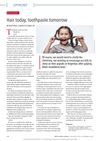
Keratin could help create enamel-regenerating toothpaste in a few years.
 34 citations
,
October 2021 in “Scientific Reports”
34 citations
,
October 2021 in “Scientific Reports” Nobiletin-loaded vesicles effectively treat skin cancer by restoring normal miRNA and antioxidant levels.
February 2023 in “International Journal of Biological Macromolecules”  December 2023 in “Forensic science international. Genetics”
 The RapidHIT ID system can effectively get DNA profiles from hair roots with enough cells.
Acitretin improved monilethrix symptoms temporarily, but they returned after stopping treatment.
 4 citations
,
January 2014 in “Indian dermatology online journal”
4 citations
,
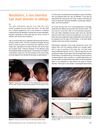
January 2014 in “Indian dermatology online journal” Monilethrix is a genetic hair disorder causing fragile, beaded hair with no effective treatment.
January 2025 in “Figshare” Stress can cause sudden hair whitening in children, but it may reverse on its own.
 3 citations
,
February 2023 in “Journal of drug delivery science and technology”
3 citations
,
February 2023 in “Journal of drug delivery science and technology” The new drug carriers show promise for better targeting and treating ovarian cancer.
1 citations
,
September 2025 in “Molecules” The conventional extraction method with 50% ethanol was the most effective for antioxidant activity.
January 2025 in “Figshare” Stress can cause sudden hair whitening in children, but it may reverse on its own.
17 citations
,
May 2019 in “Molecules” These temporary hair dyes may be harmful to human health.
13 citations
,
February 2025 in “ChemMedChem” Lipid nanoparticles improve treatment delivery and are key to future therapies, but challenges in manufacturing and safety remain.
January 2026 in “SSRN Electronic Journal”  48 citations
,
September 2017 in “Frontiers in Bioscience”
48 citations
,
September 2017 in “Frontiers in Bioscience” Nanoparticles show promise for better wound healing, but more research is needed to ensure safety and effectiveness.
 November 2023 in “The journal of investigative dermatology/Journal of investigative dermatology”
 Rose stem cell nanoparticles improve skin quality by boosting collagen, aiding cell movement, reducing melanin, and lowering inflammation.
23 citations
,
November 2021 in “Frontiers in Chemistry” Nanozymes could improve disease treatment and detection.
1 citations
,
March 2023 in “SKIN The Journal of Cutaneous Medicine” 1 citations
,
February 2023 in “Ibrain” Black cumin and its nanoformulations show promise in treating neurodegenerative diseases.
July 2017 in “Cancer Research” Krt15+ cells in mice can resist radiation, regenerate tissue, and start tumors, suggesting new cancer treatment targets.
 18 citations
,
January 2016 in “Elsevier eBooks”
18 citations
,
January 2016 in “Elsevier eBooks” Nanotechnology improves cosmetics' effectiveness and safety.
 May 2026 in “Nature Communications”
 The new treatment effectively heals drug-resistant bacteria-infected wounds.
 January 2025 in “Journal of Pharmacognosy and Phytochemistry”
 Plant-based pigments in shampoo offer vibrant colors and scalp benefits, meeting quality standards and providing a natural alternative to synthetic dyes.
September 2015 in “Photodiagnosis and Photodynamic Therapy”