November 2022 in “Journal of Investigative Dermatology” Cell-based therapy using specific immune cells may help treat alopecia areata by promoting hair regrowth.
May 2025 in “Journal of the European Academy of Dermatology and Venereology” Ritlecitinib is effective for long-term hair regrowth in alopecia areata, especially in females and early treatment.
 27 citations
,
March 2018 in “Allergy and asthma proceedings”
27 citations
,
March 2018 in “Allergy and asthma proceedings” People with alopecia areata often have higher rates of allergies and autoimmune diseases.
35 citations
,
August 2009 in “Journal of the American Academy of Dermatology” Melanocytes might be targeted by the immune system in people with alopecia areata, but more research is needed.
July 2026 in “British Journal of Dermatology” Soluble CD83 can treat alopecia areata by activating immune cells.
November 2025 in “Journal of Investigative Dermatology” Certain immune cells in atopic dermatitis skin could be targeted for treatment.
 2 citations
,
May 2023 in “JAAD Case Reports”
2 citations
,
May 2023 in “JAAD Case Reports” The document concludes that early and accurate diagnosis of hair loss on the top of the scalp in Black men is important to distinguish CCCA from other types of hair loss.
 August 2023 in “JAAD international”
 Most patients with Central Centrifugal Cicatricial Alopecia at the reviewed institution were middle-aged Black women, often with no symptoms, and commonly treated with topical medications.
 January 2011 in “International Journal of Trichology”
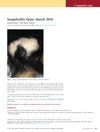
 The document concludes that doctors should recognize congenital triangular alopecia to avoid unnecessary treatments, as it does not respond to steroids like alopecia areata does.
New drugs, baricitinib and ritlecitinib, are effective for severe alopecia areata.
 February 2016 in “The journal of investigative dermatology/Journal of investigative dermatology”
 JAK inhibitors may help treat alopecia areata by reversing hair loss.
 February 2024 in “Folia Medica”
 Platelet-rich plasma treatment is effective for hair loss in patients regardless of their thyroid antibody levels.
 24 citations
,
January 2012 in “Indian Journal of Dermatology, Venereology and Leprology”
24 citations
,
January 2012 in “Indian Journal of Dermatology, Venereology and Leprology” Diffuse alopecia areata involves more inflammation and higher allergy-related antibodies than patchy types.
March 2005 in “Journal of the American Academy of Dermatology” Higher levels of IL-1a and IL-1RA were found in severe alopecia areata cases.

Celiac disease requires more than just a gluten-free diet for effective management.
 January 2024 in “Pakistan Journal of Medicine and Dentistry”
 An 18-year-old girl improved with treatment after being diagnosed with both Systemic Lupus Erythematosus and Celiac Disease.
 1 citations
,
November 2023 in “Journal of neurology”
1 citations
,
November 2023 in “Journal of neurology” A patient with a nerve disorder died from infection complications after developing insulin resistance from a treatment.
 1 citations
,
August 2022 in “Rheumatology (Bulgaria)”
1 citations
,
August 2022 in “Rheumatology (Bulgaria)” A woman experienced severe symptoms, including hair loss, after a COVID-19 vaccine, suggesting a possible autoimmune reaction.
March 2026 in “Skin Appendage Disorders” Belatacept may be a promising treatment for alopecia areata.
5 citations
,
May 2024 in “Developmental Cell” Lower GATA3 levels in mice help hair regrow by changing certain immune cells.
 June 2024 in “British Journal of Dermatology”
 Black women with CCCA are more likely to have uterine fibroids.
January 2026 in “Dermatologic Therapy” APCs may improve hair density in cicatricial alopecia but effects may not last long.
 9 citations
,
January 2007 in “Gynecological Endocrinology”
9 citations
,
January 2007 in “Gynecological Endocrinology” A woman was the first known case to have both polycystic ovary syndrome and autoimmune polyglandular syndrome type 2, suggesting a need to check for both conditions in similar patients.
2 citations
,
June 2024 in “Medical Journal of Babylon” Higher CD8+ T cell levels are linked to Alopecia areata in Iraqi patients.
August 2023 in “Journal of the American Academy of Dermatology” CCCA affects Black men too, with a genetic link found in the PADI3 gene.
September 2017 in “The journal of investigative dermatology. Symposium proceedings/The Journal of investigative dermatology symposium proceedings” CCCA can affect both genders and all ages, and it has a genetic component.
October 2022 in “Journal of pharmaceutical negative results” People with Alopecia areata have higher levels of certain T regulatory cells in their blood.
4 citations
,
January 2023 in “Indian Dermatology Online Journal” A simple test can help diagnose a rare bruising disorder after ruling out other causes.
106 citations
,
January 2013 in “Clinical and Developmental Immunology” Alopecia areata is caused by immune system attacks on hair follicles, often triggered by viral infections.
January 2019 in “eScholarship (California Digital Library)” Thymus-derived Tregs, not peripherally-derived Tregs, primarily regulate type 1 diabetes in the NOD mouse model.