 May 2026 in “The EMBO Journal”
 Skin aging can be slowed by targeting cells, hormones, and the microbiome.
 January 2026 in “Forum Dermatologicum”
 JAK inhibitors and combination therapies show promise for treating severe alopecia areata.
 January 2026 in “Ciencia Latina Revista Científica Multidisciplinar”
 Exosomes helped regrow hair in a 14-year-old with difficult-to-treat alopecia.

Adipocytes in atopic dermatitis skin change and worsen inflammation and fibrosis.
 December 2025 in “Journal of Pakistan Association of Dermatologists”
 Stopping afatinib improved a rare scalp condition in a patient.
 September 2025 in “Medical Materials Research”
 Microneedles offer a painless, precise, and versatile method for drug delivery and disease treatment.
 July 2025 in “Pakistan Journal of Intensive Care Medicine”
 Clobetasol propionate 0.05% ointment is more effective than tacrolimus 0.1% ointment for treating alopecia areata.
 February 2025 in “Cureus”
 Hair transplants can rarely cause scalp inflammation leading to hair loss, needing early detection and treatment.
 January 2025 in “Journal of Skin and Stem Cell”
 Gout can cause hair loss, but treatment can lead to hair regrowth.
 December 2024 in “Journal of Population Therapeutics and Clinical Pharmacology”
 Psoriasis worsens in winter in India due to less sunlight and dry skin, needing personalized treatment.
 September 2024 in “International Journal of Pharmaceutical Quality Assurance”
 Nanoemulgels improve skin disorder treatment by delivering drugs more effectively and reducing application frequency.
 May 2024 in “Journal of Education, Health and Sport”
 Current treatments for folliculitis decalvans include antibiotics, isotretinoin, and potential new therapies like botulinum toxin A and PRP.
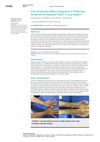
Doctors should consider Netherton syndrome in patients with chronic skin and hair issues to avoid misdiagnosis.
 November 2023 in “Frontiers in pharmacology”
 Drug repositioning offers hope for new, affordable treatments for a genetic skin disorder called ARCI.
 January 2023 in “International Journal of Pharmaceutical Research and Development”
 Nanotechnology therapies can help improve quality of life for those with hair loss.

A rare skin condition in a 17-year-old was diagnosed late, stressing the need for careful evaluation and genetic testing.
 April 2022 in “Research Square (Research Square)”
 The combination of laser and topical steroids is more effective for treating alopecia areata than topical steroids alone.
 November 2021 in “International journal of life science and pharma research”
 The new gel for psoriasis is effective, stable, and easy to apply.
 September 2021 in “Revista Interdisciplinar em Saúde”
 Oral isotretinoína effectively stabilizes frontal fibrosing alopecia.
Tretinoin is used topically to treat acne, skin aging, and various skin conditions.
 February 2021 in “International journal of research in dermatology”
 A boy's hair, nails, and skin improved after 6 months of steroid treatment.
 April 2020 in “bioRxiv (Cold Spring Harbor Laboratory)”
 Skin healing from blisters can delay hair growth as stem cells focus on repairing skin over developing hair.
 February 2020 in “International Journal of Research in Dermatology”
 EPDS is a rare, chronic scalp condition that's hard to treat and needs better awareness for improved outcomes.
 January 2019 in “Springer eBooks”
 Some chemicals and drugs can cause hair loss, which usually grows back after stopping the treatment.
 May 2017 in “InTech eBooks”
 Some hair loss disorders cause permanent loss due to scarring, and treatments like steroids don't always work well.
 January 2017 in “Dermatology Review”
 Skin issues from chronic graft-versus-host disease greatly affect daily life, needing teamwork between blood and skin doctors.
 January 2017 in “Acta dermato-venereologica”
 The congress showed that psychological therapy can help skin condition patients, social media affects acne stigma, education improves atopic dermatitis, and patient satisfaction in dermatology is high, especially with good doctor engagement.
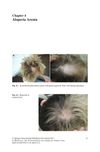 December 2016 in “Springer eBooks”
 A 45-year-old woman with autoimmune diseases experienced patchy hair loss due to alopecia areata, which has no cure but can be treated, with varying success.
 January 2016 in “Kafkas Journal of Medical Sciences”
 Turkish pregnant women commonly experienced skin issues like itching and acne, and doctors mainly used topical treatments due to safety concerns during pregnancy.
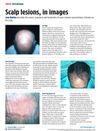 January 2015 in “Independent Nurse”
 Different scalp conditions can lead to hair loss or tumors, with treatments varying from creams to surgery; early detection is crucial.