34 citations
,
July 2006 in “Clinics in dermatology” Endocrine diseases in dogs often cause skin problems, with hypothyroidism and hyperadrenocorticism being common and leading to hair loss and infections.
 28 citations
,
May 2012 in “Veterinary Dermatology”
28 citations
,
May 2012 in “Veterinary Dermatology” Different types of dog hair loss are linked to problems starting the hair growth phase and early hair cycle ending.
 September 2010 in “Companion Animal”
 The guide explains how to diagnose and treat hair loss in dogs, covering causes and treatments, with some conditions lacking treatment options.
 1 citations
,
January 2006 in “Elsevier eBooks”
1 citations
,
January 2006 in “Elsevier eBooks” The conclusion is that different types of hair loss in dogs and cats can be cosmetic or serious, and affected animals should not be bred.
 September 2016 in “Elsevier eBooks”
 Different types of hair loss in dogs and cats have various causes and treatments, with outcomes ranging from good to uncertain.
 1 citations
,
January 2023 in “Frontiers in veterinary science”
1 citations
,
January 2023 in “Frontiers in veterinary science” Activating autophagy in dogs with certain diseases improves their skin and hair.
 1 citations
,
December 2010 in “The journal of small animal practice/Journal of small animal practice”
1 citations
,
December 2010 in “The journal of small animal practice/Journal of small animal practice” The book helps veterinarians understand and treat hair loss in animals.
 May 2021 in “British Small Animal Veterinary Association eBooks”
 If a dog's skin tests are normal but it has hair loss, consider other non-endocrine causes and choose tests based on the hair loss pattern.
 23 citations
,
February 1979 in “Veterinary Clinics of North America: Small Animal Practice”
23 citations
,
February 1979 in “Veterinary Clinics of North America: Small Animal Practice” Treatment can improve survival and symptoms in dogs with Cushing's disease, but outcomes are unpredictable.
 October 2012 in “Semina. Ciências Agrárias”
 A Shi Tzu dog with high cortisol levels improved after increasing the dose of trilostane.
 1 citations
,
April 2023 in “Journal of the Hellenic Veterinary Medical Society”
1 citations
,
April 2023 in “Journal of the Hellenic Veterinary Medical Society” Most dogs with paw inflammation had chronic issues, often due to allergies, and certain breeds were more affected.
 March 2024 in “Brazilian Journal of Veterinary Pathology”
 The dog likely has a canine alopecia X-like disorder.
 January 2024 in “Brazilian journal of veterinary pathology”
 The dog likely has a condition similar to Canine alopecia X.
 January 2023 in “International Journal of Zoology and Animal Biology”
 Canine hypothyroidism can be linked to diabetes, requiring thorough testing for proper diagnosis.
 November 2009 in “Companion Animal”
 The document suggests that Alopecia X in dogs is mainly a cosmetic issue and might be better left untreated.
 January 2021 in “Revista brasileira de higiene e sanidade animal”
 A dog with skin lesions was successfully treated for a human-type fungal infection.
 116 citations
,
April 2002 in “American journal of veterinary research”
116 citations
,
April 2002 in “American journal of veterinary research” Trilostane effectively and safely treats dogs with pituitary-dependent hyperadrenocorticism, improving symptoms and adrenal gland size.
 6 citations
,
January 2013
6 citations
,
January 2013 Hyperadrenocorticism in ferrets is linked to neutering and indoor housing, and is best treated with surgery and a deslorelin implant.
 January 2007 in “Acta Veterinaria Brno”
 Trilostane treatment successfully restored hair growth in a dog with alopecia X.
 January 2020 in “Frontiers in Medical Case Reports”
 A dog developed skin issues from too many steroids, but reducing steroids and using a specific treatment fixed the problems.
 24 citations
,
May 2010 in “Veterinary dermatology”
24 citations
,
May 2010 in “Veterinary dermatology” Oral ciclosporin A and topical treatments both reduce hair loss and scaling in dogs with sebaceous adenitis, but using both together is most effective.
 January 2011 in “Elsevier eBooks”
 Alopecia in animals can be hereditary, congenital, or acquired, with treatments and outcomes varying widely.
1 citations
,
January 2016 in “Revista Brasileira de Higiene e Sanidade Animal” Combining lab tests with clinical observations is crucial for diagnosing hormonal skin issues in dogs.
August 2017 in “ARSHI Veterinary Letters” A Shih Tzu with Cushing syndrome developed skin issues and was euthanized after treatment led to neurological problems.
 1 citations
,
January 2008 in “Elsevier eBooks”
1 citations
,
January 2008 in “Elsevier eBooks” The document concludes that various disorders can cause hair loss in dogs, each requiring different treatments, and some may heal on their own.
 22 citations
,
February 2010 in “The Veterinary clinics of North America. Small animal practice/Veterinary clinics of North America. Small animal practice”
22 citations
,
February 2010 in “The Veterinary clinics of North America. Small animal practice/Veterinary clinics of North America. Small animal practice” The cause of atypical Cushing's syndrome in dogs, possibly linked to sex hormones, is not yet proven.
3 citations
,
January 2016 in “Revista Brasileira de Higiene e Sanidade Animal” Canine hypothyroidism often causes skin issues like hair loss.
2 citations
,
July 2021 in “Journal of feline medicine and surgery open reports” A diabetic cat with another gland issue got better after treatment with cabergoline, no longer needing insulin.
 4 citations
,
May 2014 in “Javma-journal of The American Veterinary Medical Association”
4 citations
,
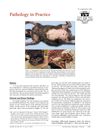
May 2014 in “Javma-journal of The American Veterinary Medical Association” The cat had liver cancer and a related hair loss condition, with a likely cause being bile duct cancer.
 1 citations
,
January 2006 in “Elsevier eBooks”
1 citations
,
January 2006 in “Elsevier eBooks” Cats lose fur due to various reasons, including allergies, infections, genetics, hormones, diet, cancer, stress, and some conditions are treatable while others are not.