June 2018 in “Journal of the American Veterinary Medical Association” Three related Persian cats have a rare, likely hereditary skin condition causing hair loss and poor coat quality, with limited treatment options.
1 citations
,
November 2022 in “PubVet” Microneedling and orchiectomy helped treat hair loss in a German Spitz dog.
May 2021 in “Veterinarìâ, tehnologìï tvarinnictva ta prirodokoristuvannâ” Treating sheep and wild goats with specific medications and bathing sheep was 100% effective against a contagious skin disease caused by mites.
 March 2024 in “Indian Journal of Dermatology/Indian journal of dermatology”
 Using animal names for skin conditions helps with learning and memory.

Orchiectomy and melatonin helped a German Spitz regrow hair lost due to alopecia X.
 January 2025 in “International Journal of Advanced Biochemistry Research”
 Three Persian cats with mange were successfully treated with Ivermectin injections.
 28 citations
,
January 2000 in “Medical Mycology”
28 citations
,
January 2000 in “Medical Mycology” Fungal infections in lab animals can interfere with research.
 36 citations
,
September 1999 in “Toxicologic pathology”
36 citations
,
September 1999 in “Toxicologic pathology” Stronger corticosteroids cause more skin damage in hairless dogs, similar to effects in humans.
 June 2024 in “Current Developments in Nutrition”
 A special diet can significantly reduce skin problems in dogs.
14 citations
,
August 2013 in “Journal of Parasitology” Mite infestations severely harm the health of endangered Amargosa voles.
1 citations
,
April 2024 in “Pathogens” A pet ferret had a serious infection from Mycobacterium xenopi, which can spread to humans.
20 citations
,
November 1989 in “PubMed” Accurate fungal identification is crucial for proper treatment in immunocompromised patients.
 January 2026 in “Buletin Veteriner Udayana”
 The dog was successfully treated for tapeworm infection and improved with supportive therapy.
December 2025 in “Mycoses” The study developed a successful mouse model to study skin infections, highlighting the importance of choosing the right fungal strains.
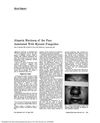 28 citations
,
May 1978 in “Archives of dermatology”
28 citations
,
May 1978 in “Archives of dermatology” Alopecia mucinosa on the face can be linked to mycosis fungoides, a type of lymphoma.
April 2026 in “Veterinary Record Case Reports” Neutering successfully treated hair loss in a Pomeranian dog.
Urtica dioica L. extract may help treat skin fungus but is less effective than standard treatment.
 February 2023 in “Vlaams dierengeneeskundig tijdschrift”
 Two young cats with a severe ear and skin condition improved with immune system-targeting treatments.
 38 citations
,
August 2005 in “Veterinary dermatology”
38 citations
,
August 2005 in “Veterinary dermatology” A disease causing skin issues in young adult German short-haired pointers is hereditary, with most affected dogs not responding to treatment.
 2 citations
,
December 2018 in “International journal of current microbiology and applied sciences”
2 citations
,
December 2018 in “International journal of current microbiology and applied sciences” The dog recovered from hypothyroidism and regrew its hair after two months of treatment.
11 citations
,
March 2016 in “PubMed” Tinea capitis in adults is best treated with oral terbinafine, but other medications may be needed for resistant infections, and family and pets should be checked to prevent reinfection.
17 citations
,
October 2015 in “PubMed” Proper diagnosis is essential for effective treatment of skin fungal infections.
 March 2022 in “Berkala Ilmu Kesehatan Kulit dan Kelamin/Berkala ilmu kesehatan kulit dan kelamin (Periodical of dermatology and venerology)”
 Touching cats can increase the risk of getting a fungal scalp infection, especially in boys and kids over 5.
 2 citations
,
December 2021 in “Journal of Veterinary Medical Science”
2 citations
,
December 2021 in “Journal of Veterinary Medical Science” Lokivetmab reduced itching in a dog with skin lymphoma.
 July 2024 in “Advancements in Life Sciences”
 Fungal infections are the most common skin disease in cats, especially white ones.
18 citations
,
July 2010 in “Journal of the American Academy of Dermatology” Folliculotropic mycosis fungoides can look like alopecia areata.
 9 citations
,
October 2013 in “Pediatric dermatology”
9 citations
,
October 2013 in “Pediatric dermatology” Proper antifungal treatment is crucial to avoid misdiagnosis and prevent scarring alopecia.
1 citations
,
January 2024 in “Veterinary Science and Medicine Journal” The dog recovered fully after treatment, and tick prevention is advised to avoid reinfection.
August 2004 in “Veterinary Dermatology” More research is needed to understand coat funk in Alaskan malamutes.
64 citations
,
December 2003 in “Veterinary Dermatology” Triamcinolone is more effective and safer for treating feline pemphigus foliaceus than prednisone.